What Are Automotive Injection Molding Parts and Why Are They Essential for Modern Vehicles?
The automotive industry increasingly relies on plastic injection molding technologyto manufacture high-precision, lightweight, and cost-efficient components. From dashboards and bumpers to sensor housings and battery cases, automotive injection molding parts play a crucial role in vehicle design, safety, and performance.
For manufacturers such as Suzhou Huanxin Precision Molding Co., Ltd, producing reliable automotive plastic components means combining advanced molding technologies, engineering expertise, and strict quality control to meet the demanding requirements of global automotive OEMs.
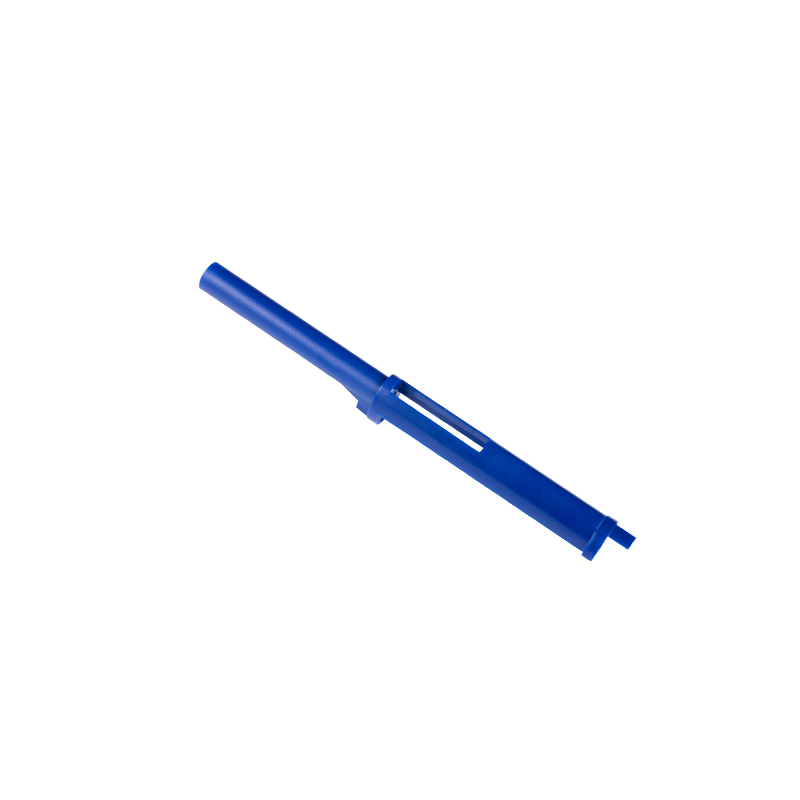
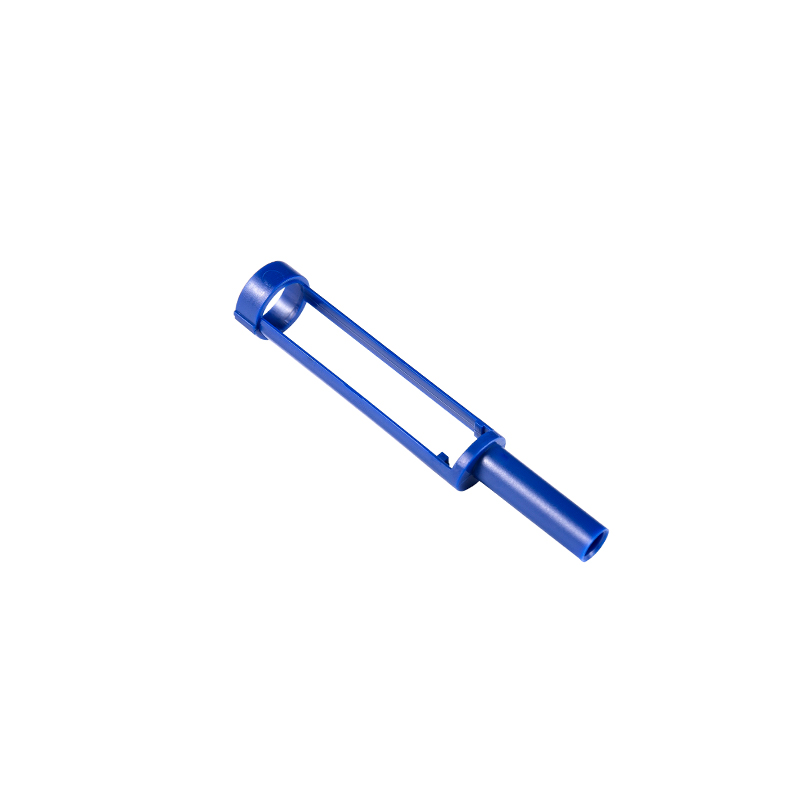
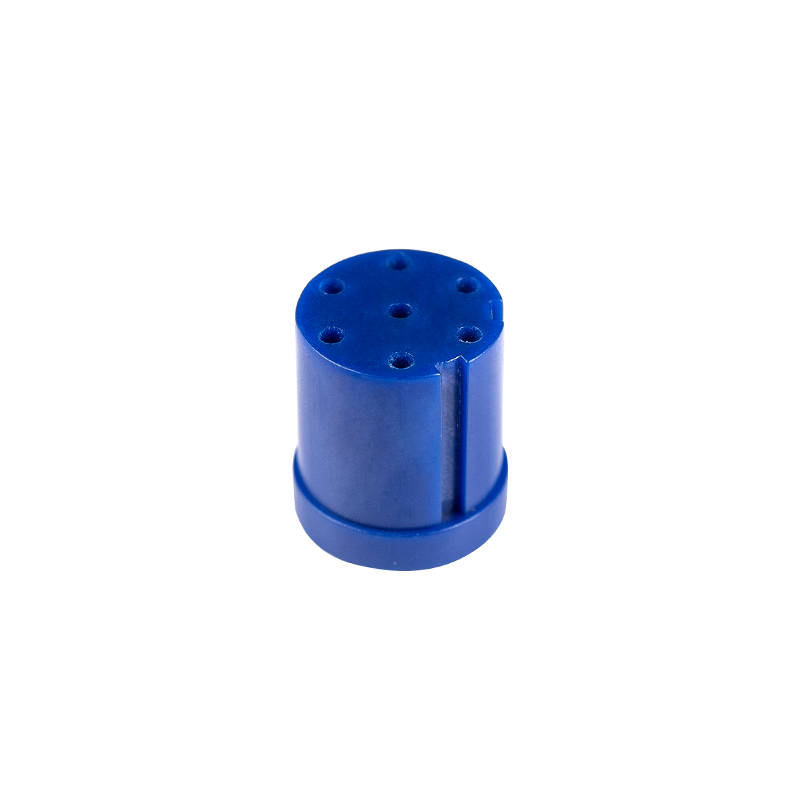
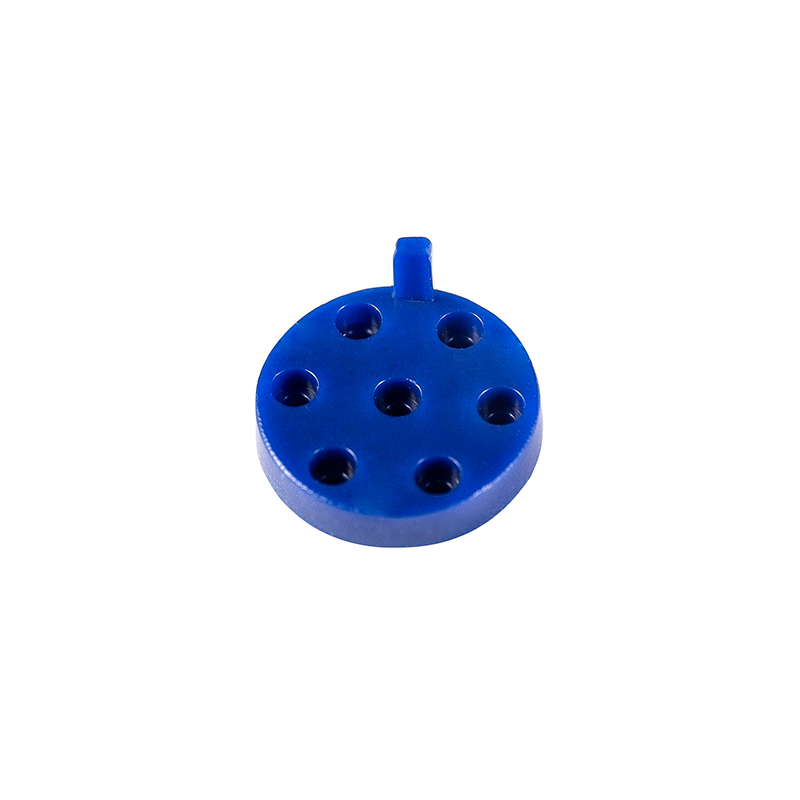
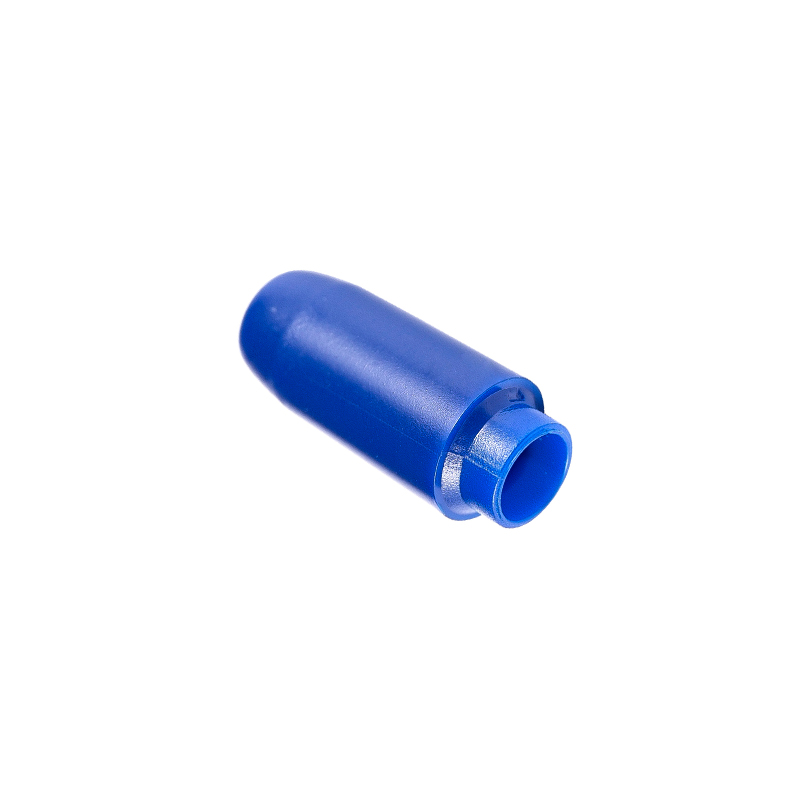
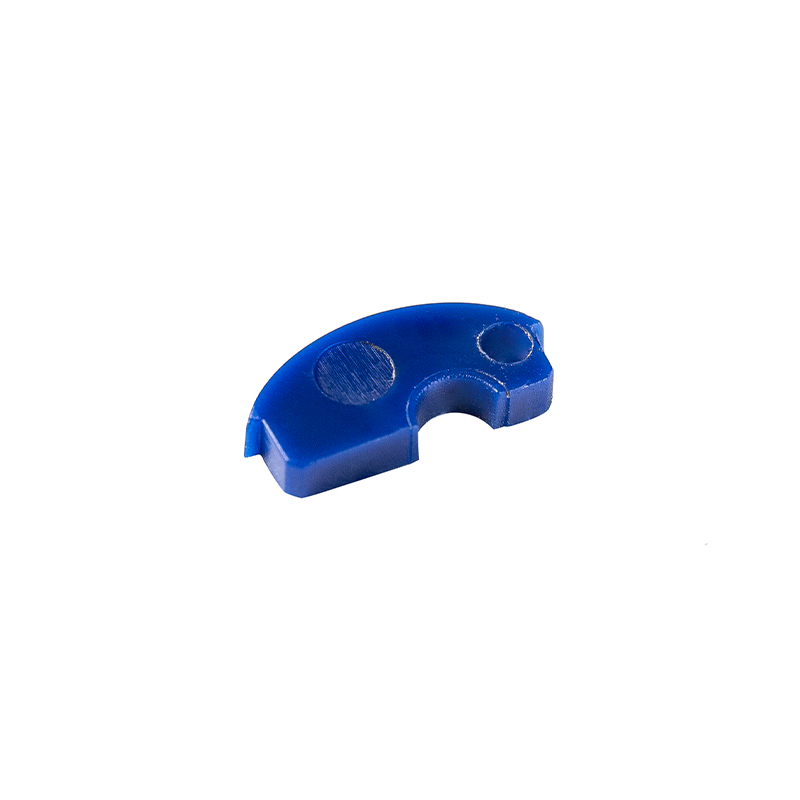
Automotive injection molding parts are plastic components produced by injecting molten thermoplastic materials into precision molds. Once cooled and solidified, the parts are ejected from the mold and can be assembled into vehicles.
This process is widely used in the automotive industry because it allows manufacturers to produce complex geometries with high repeatability and tight toleranceswhile maintaining cost efficiency in mass production.
Injection molding is used for numerous automotive components, including interior panels, exterior trim parts, and under-the-hood functional components.
Typical Automotive Injection Molded Components
Category
Examples of Parts
Key Functions
Interior Components
Dashboard panels, air vents, center consoles, door trims
Improve aesthetics, ergonomics, and driver comfort
Exterior Components
Bumpers, grilles, mirror housings, light covers
Provide structural protection and design appeal
Under-the-Hood Parts
Engine covers, intake manifolds, fluid reservoirs
Ensure durability under high temperature and stress
Electrical & Electronic Parts
Sensor housings, battery casings, connectors
Protect sensitive electronic systems
Structural Support Parts
Mounting brackets, clips, fasteners
Enable secure assembly of vehicle systems
Modern vehicles may contain hundreds of plastic injection molded components, replacing traditional metal parts in many applications due to their lighter weight and corrosion resistance.
2. Why Injection Molding Is Widely Used in the Automotive Industry
Injection molding has become one of the most important manufacturing technologies in automotive production.
Key Advantages
Advantage
Explanation
High Precision
Molds can achieve tolerances within fractions of a millimeter
Lightweight Design
Plastic parts significantly reduce vehicle weight
Cost Efficiency
Ideal for large-scale production with minimal waste
Design Flexibility
Allows complex shapes and integrated structures
Surface Quality
Can produce textured, glossy, or matte finishes
Weight reduction is particularly important because lighter vehicles improve fuel efficiency and reduce emissions, making plastic components increasingly valuable in modern automotive engineering.
3. Common Materials Used in Automotive Injection Molding
Material selection plays a critical role in determining the durability, strength, and thermal resistance of automotive parts.
Material
Key Properties
Typical Automotive Applications
ABS (Acrylonitrile Butadiene Styrene)
High impact resistance, good surface finish
Dashboard panels, trim components
Polypropylene (PP)
Lightweight, chemical resistant
Bumpers, battery housings
Polycarbonate (PC)
High transparency and strength
Headlight lenses, instrument panels
Nylon (PA)
Heat resistance and mechanical strength
Engine covers, gears
PVC
Flexible and durable
Interior trims and insulation
TPE
Rubber-like elasticity
Seals, gaskets, handles
For example, ABS is widely used for interior components due to its strength, durability, and excellent molding properties.
Meanwhile, reinforced nylon materials are commonly used for under-the-hood parts because of their superior heat and wear resistance.
4. Manufacturing Process of Automotive Injection Molding Parts
The production of automotive plastic components generally involves several precise manufacturing steps.
Injection Molding Workflow
Step
Description
Product Design
Engineers design parts using CAD software
Mold Manufacturing
High-precision steel molds are created
Material Preparation
Thermoplastic pellets are heated and melted
Injection Stage
Molten plastic is injected into the mold cavity
Cooling and Solidification
Plastic solidifies into the desired shape
Ejection and Finishing
Parts are removed and surface finishing may be applied
Quality Inspection
Dimensional and performance checks are conducted
Advanced processes such as gas-assisted molding, insert molding, and multi-shot moldingare often used to create complex automotive components with integrated functionality.
5. Applications in Electric and Smart Vehicles
As electric vehicles (EVs) and smart cars continue to develop, the demand for injection molded components is rapidly increasing.
Key EV Applications
EV System
Injection Molded Components
Battery Systems
Battery housings, insulation components
Charging Systems
Charging port covers, connectors
Sensor Systems
Radar housings, camera brackets
Interior Electronics
Display panels, switch housings
Plastic injection molding allows manufacturers to integrate lightweight design, electrical insulation, and thermal stability, which are critical for EV technologies.
6. Quality Standards for Automotive Injection Molded Parts
Automotive plastic components must meet strict quality standards to ensure reliability and safety.
Key quality requirements include:
Dimensional accuracy and consistency
Heat and chemical resistance
Impact and fatigue strength
UV and weather resistance
Compliance with automotive standards such as IATF 16949
Manufacturers like Suzhou Huanxin Precision Molding Co., Ltdfocus on precision tooling, advanced molding equipment, and strict inspection procedures to ensure each automotive plastic component meets OEM specifications.
7. Future Trends in Automotive Plastic Injection Molding
The automotive plastics industry continues to evolve with technological innovations and sustainability goals.
Emerging Trends
Trend
Description
Lightweight Materials
Increased use of composite and reinforced plastics
Smart Manufacturing
Automation and digital monitoring systems
Sustainable Materials
Recycled and bio-based polymers
Multi-material Molding
Integration of metal and plastic structures
High-Precision Molding
Micro-molding for sensors and electronics
These innovations will allow manufacturers to produce more functional, lightweight, and environmentally friendly automotive components.
FAQ
1. What are automotive injection molding parts?
Automotive injection molding parts are plastic components produced through injection molding technology and used in vehicles for structural, functional, and aesthetic purposes.
2. What plastics are commonly used in automotive injection molding?
Common materials include ABS, polypropylene (PP), polycarbonate (PC), nylon (PA), PVC, and thermoplastic elastomers.
3. Why is injection molding preferred in automotive manufacturing?
It allows high-volume production, precise dimensions, complex shapes, and cost-effective manufacturing.
4. What automotive components are typically injection molded?
Examples include dashboards, bumpers, grilles, air vents, sensor housings, battery casings, and engine covers.
5. Are injection molded parts used in electric vehicles?
Yes. EVs rely heavily on injection molded plastic components for battery housings, charging ports, sensor systems, and interior electronics.
References
Automotive Injection Molding Applications and Materials – Industry Technical Articles
Plastic Injection Molding in Automotive Manufacturing – Engineering Reports


 English
 中文简体
中文简体