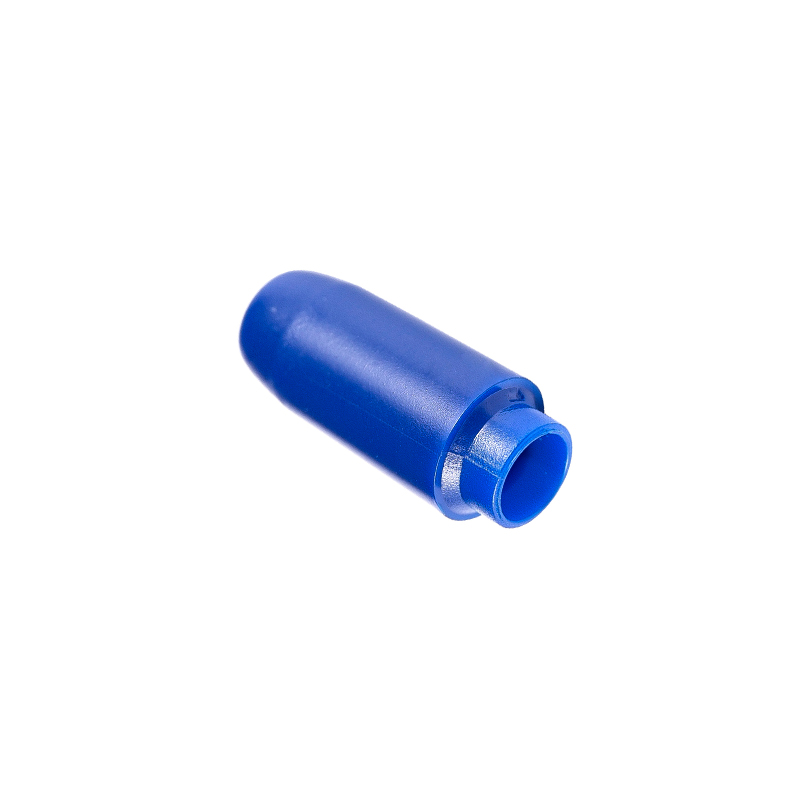
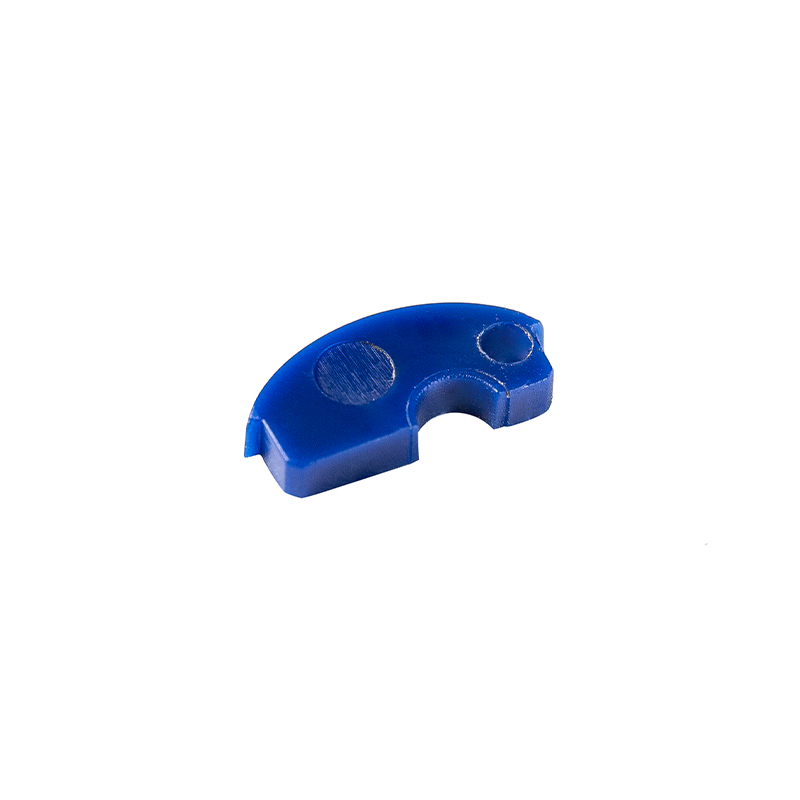
Content
Automotive injection molding forms plastic components by injecting molten polymer into a precision steel mold under high pressure, then cooling and ejecting the finished part. For automotive work, the process runs under tighter tolerances than most consumer applications because parts have to fit into assemblies alongside metal components with little room for variance.
Cycle time and cooling uniformity are what separate automotive-grade tooling from general-purpose molds, since inconsistent cooling across a large part like a bumper fascia leads to warping that shows up only after the part is out of the mold.
Material selection in automotive molding is driven by where the part sits on the vehicle — under-hood parts need heat and chemical resistance, interior trim needs surface finish and low odor, and exterior panels need UV stability and impact resistance.
| Material | Key Properties | Typical Use |
|---|---|---|
| Polypropylene (PP) | Lightweight, chemical resistant, low cost | Bumper fascias, interior trim, battery cases |
| ABS | Good surface finish, impact resistant | Dashboard components, console panels |
| Nylon (PA6/PA66) | High heat and chemical resistance | Under-hood parts, intake manifolds |
| Polycarbonate (PC) | Optical clarity, high impact strength | Lighting lenses, glazing |
Glass-fiber reinforcement is commonly added to PP and nylon for structural parts, boosting stiffness and heat deflection temperature without switching to a more expensive base resin.
Part design has to account for how the plastic behaves as it cools, not just its final geometry. A few design rules come up on nearly every automotive molding project:
Design reviews between the part engineer and the mold builder early in the program catch most of these issues before steel is cut, which is far cheaper than correcting them after tooling is built.
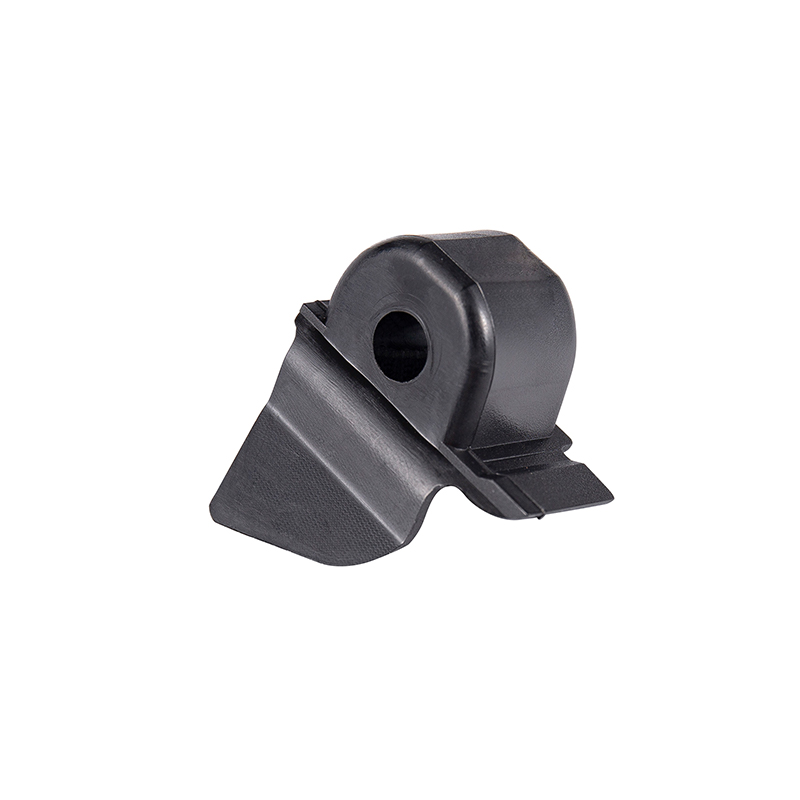
Injection molded automotive components show up across nearly every system on a modern vehicle, from visible trim to parts buried in the engine bay.
The shift toward electric vehicles has expanded automotive injection molding applications further, with molded plastic now common in battery enclosures, busbar carriers, and thermal management housings — uses that barely existed in traditional internal combustion platforms.
Manufacturing automotive plastic components at scale involves different constraints than the part design itself — it's driven by production volume, tooling strategy, and how consistently a supplier can hold tolerance across millions of cycles.
Plastic injection molding for automotive parts is typically qualified through a formal PPAP sign-off before a supplier is authorized to ship production volume, which is what distinguishes automotive-grade manufacturing from general commercial molding.
Injection molding remains the default manufacturing process for automotive plastic parts because it scales efficiently once tooling is built, and it holds tight, repeatable tolerances across very high production volumes.
The main tradeoff is upfront tooling cost, which is why injection molding tends to make economic sense once a program's production volume clears the point where per-part savings outweigh the initial mold investment.
Copyright © Suzhou Huanxin Precision Molding Co., Ltd. All Rights Reserved.




 English
 中文简体
中文简体