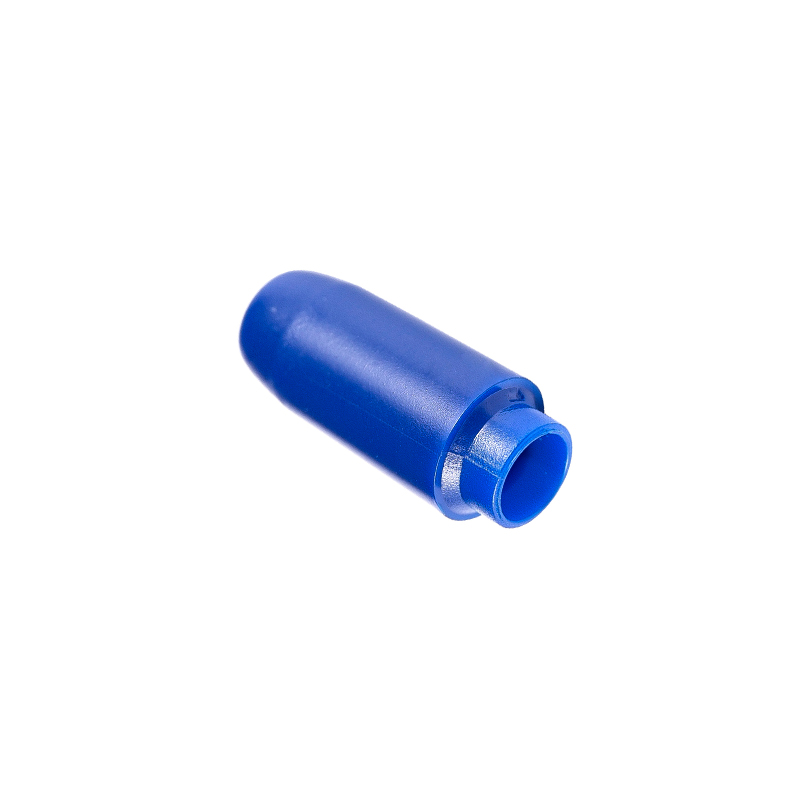
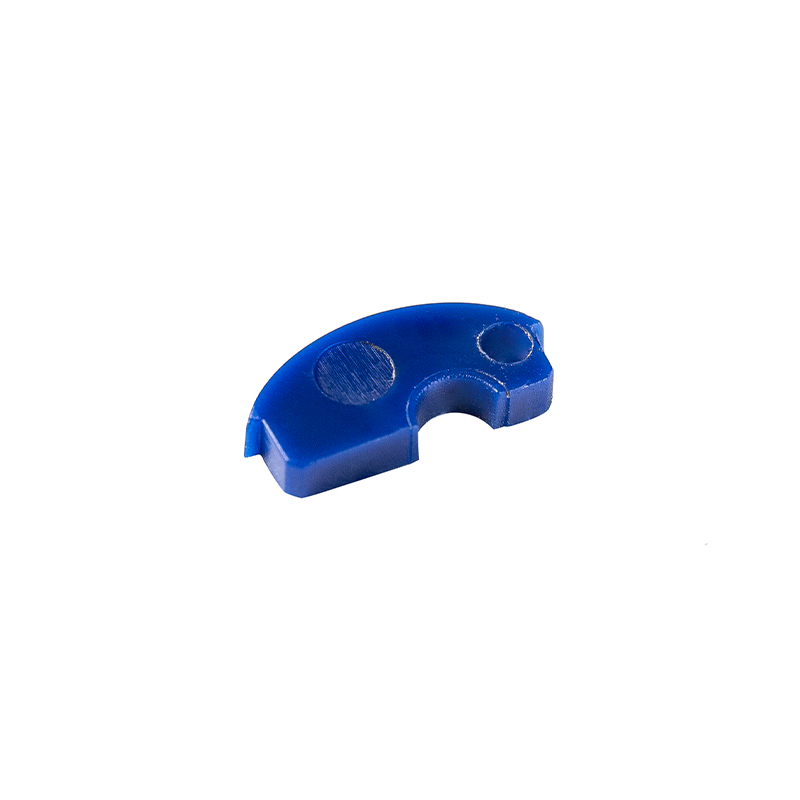
Plastic injection molding works by melting plastic pellets and injecting the molten material under high pressure into a metal mold cavity, where it cools and solidifies into the final part shape. The process sounds simple, but the difference between a defect-free part and one riddled with air bubbles, sink marks, or warping almost always traces back to one of three things: mold condition, material handling, and how well the process parameters match the specific plastic being used.
Content
Injection molding follows a repeating cycle, with each cycle producing one or more finished parts depending on the number of cavities in the mold.
For anyone molding plastic at a smaller scale or prototyping stage, the same fundamental steps apply even with desktop injection molding machines or manual benchtop units — the key variables (melt temperature, injection speed, cooling time) still need to be tuned for the specific material, just at a smaller scale and often with less precise control than industrial equipment provides.
Air bubbles, also called voids, are one of the most common defects in injection molding and usually fall into two categories: trapped air that didn't escape the cavity during filling, and internal voids caused by uneven cooling and shrinkage within thick sections of the part.
Diagnosing which cause applies usually starts with where the void appears: voids near the part's surface or at the end of the flow path often point to venting issues, while voids in the geometric center of thick ribs or bosses typically point to shrinkage and packing pressure issues.
ABS (Acrylonitrile Butadiene Styrene) is one of the most common materials in injection molding because it balances impact resistance, rigidity, and ease of processing at a relatively low cost, but it has a few characteristics that require specific process attention.
| Parameter | Typical Range for ABS | Why It Matters |
|---|---|---|
| Melt temperature | 220–260°C | Too low causes poor flow and surface defects; too high causes degradation and discoloration |
| Mold temperature | 50–80°C | Affects surface gloss and dimensional stability of the finished part |
| Drying requirement | 2–4 hours at 80°C | ABS is moderately hygroscopic; undried resin causes surface streaks and voids |
ABS also has a relatively high shrinkage rate compared to some other thermoplastics, which means mold designers need to account for this during cavity design — a cavity cut to the exact final dimensions of the part would produce an undersized part once the ABS cools and shrinks.
Automotive applications push injection molding toward materials and processes that can meet strict requirements for dimensional consistency, impact resistance, and resistance to temperature swings — a dashboard component, for example, needs to maintain its fit and finish from sub-zero winter mornings to a hot summer dashboard surface that can exceed 80°C in direct sunlight.
Common automotive molding applications and material choices include:
Automotive parts also typically require more rigorous mold validation than consumer goods, including dimensional measurement studies across multiple production cycles to confirm the process consistently produces parts within tolerance before full production approval is granted.
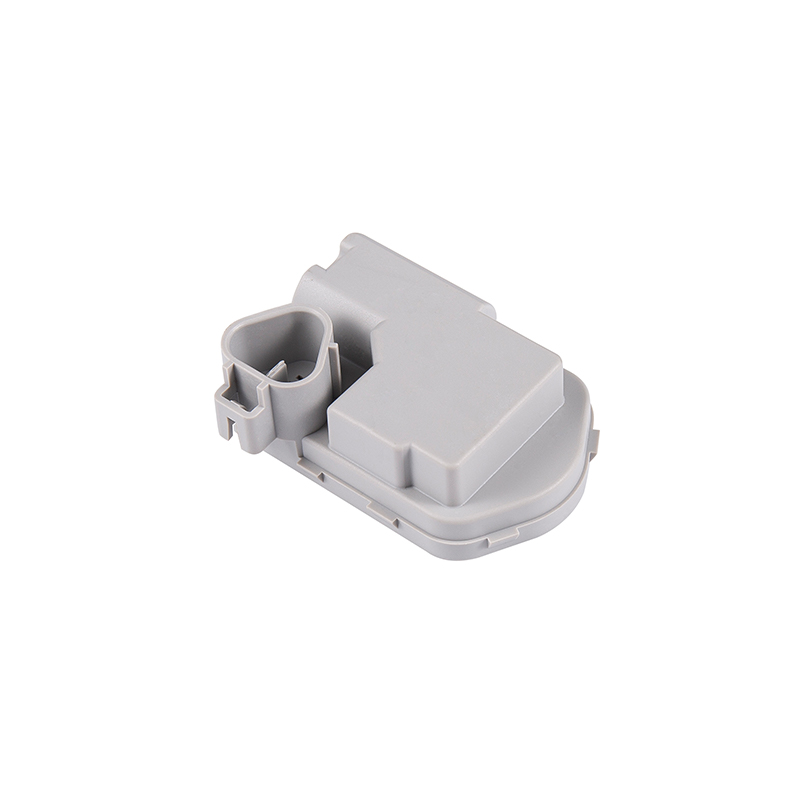
A mold represents one of the largest capital investments in an injection molding program, and neglected maintenance is a major contributor to gradual quality drift — defects that creep in slowly over thousands of cycles rather than appearing suddenly.
Tracking maintenance against a cycle count — rather than purely a calendar schedule — tends to produce more consistent results, since wear-related issues correlate much more closely with how many parts a mold has produced than with how much time has passed.
Several developments are reshaping how injection molding operations are run, with most centered on reducing waste, improving consistency, and shortening the time between design and production.
While these developments improve specific aspects of the process, the core fundamentals — material drying, mold venting, cooling balance, and pressure control — remain the foundation that any new technology builds on, which is why understanding these basics continues to matter even as the equipment around them becomes more automated.
Copyright © Suzhou Huanxin Precision Molding Co., Ltd. All Rights Reserved.




 English
 中文简体
中文简体