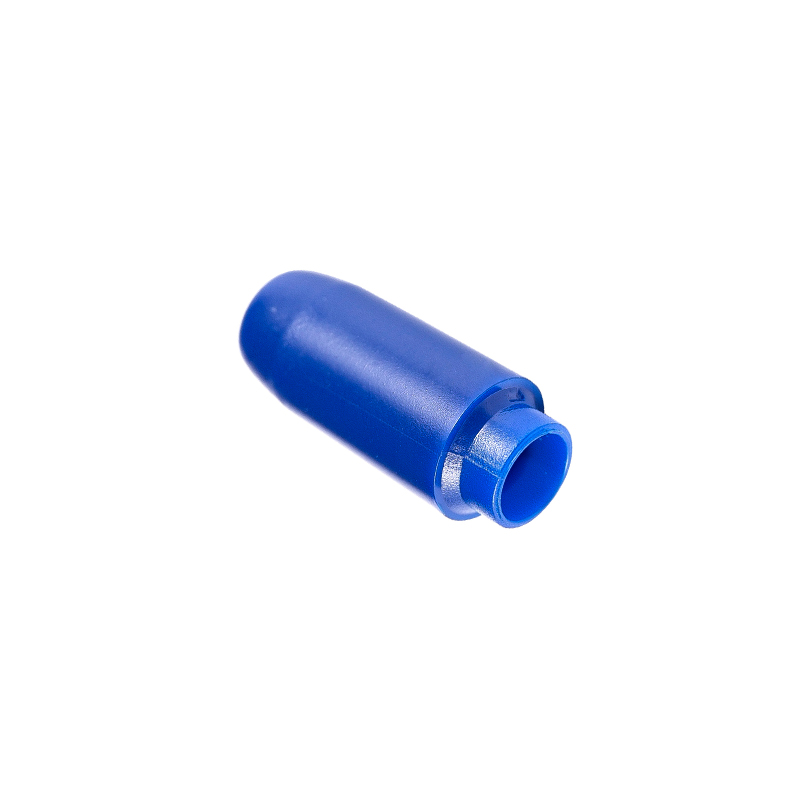
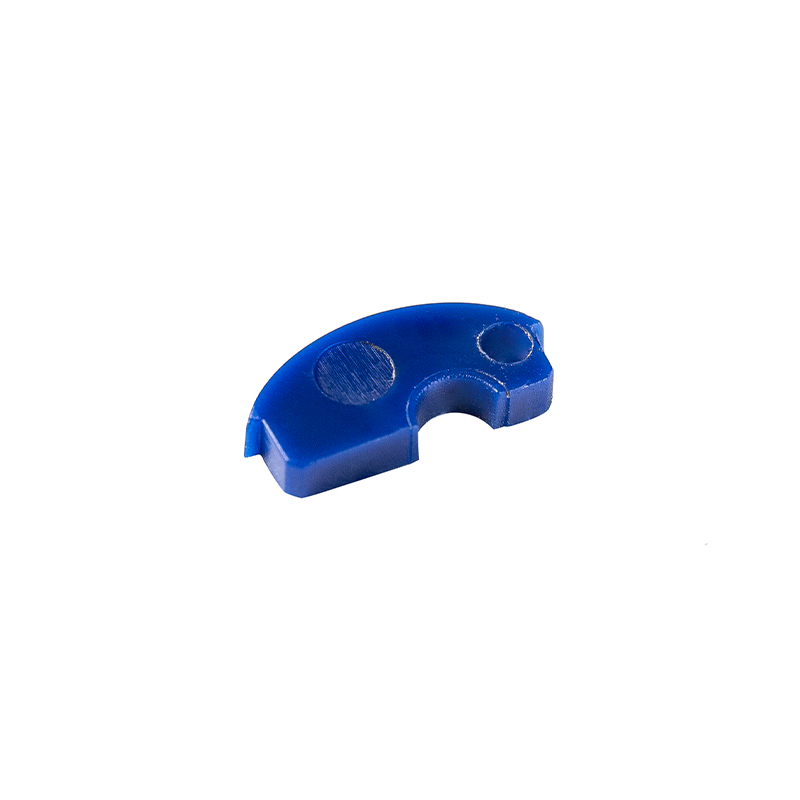
A plastic mold is the precision tool that shapes molten plastic into a finished part, and the cost of injection molding depends heavily on that mold's complexity—ranging from roughly $3,000 for a simple prototype tool to well over $100,000 for a multi-cavity, high-production mold. Overmolding is a process that adds a second material, often a soft-touch grip, onto a rigid base in a single cycle. ABS plastic, a widely used engineering thermoplastic, is manufactured into parts primarily through injection molding after the raw resin is produced from acrylonitrile, butadiene, and styrene monomers. The term ODM, short for Original Design Manufacturer, describes a supplier that designs and builds a product that you can then brand as your own.
Content
A plastic mold, also called a tool or die, is a custom-made assembly of steel or aluminum plates and inserts that forms a cavity in the shape of the desired part. During injection molding, molten plastic is forced into this cavity under pressure, cooled until it solidifies, and then ejected. The mold's design—including gate location, cooling channels, and ejection system—directly determines the part's dimensional accuracy, surface finish, and cycle time. A well-built mold can produce over a million shots with minimal wear, making it the single most critical investment in any injection molding project. The mold type also defines the process name: a two-plate mold produces parts with a simple parting line, while a three-plate mold allows more flexible gating, and a hot-runner mold eliminates the runner waste for faster cycles.
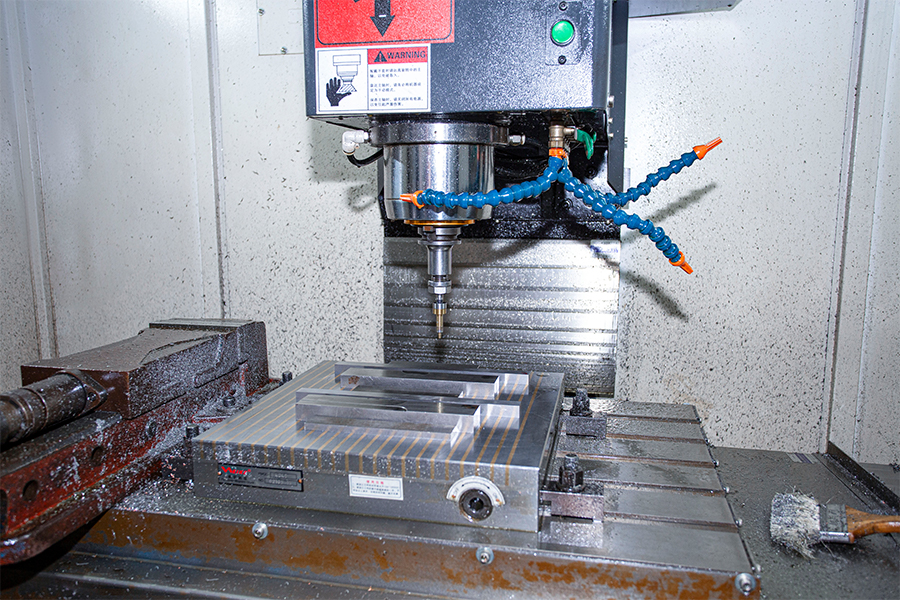
Injection molding cost breaks down into two main components: the upfront mold fabrication and the per-part unit cost. The table below illustrates typical mold costs for different levels of production complexity.
| Mold Type | Tooling Cost (USD) | Typical Cavities | Expected Shots |
|---|---|---|---|
| Prototype aluminum mold | $3,000 – $8,000 | 1 | 5,000 – 10,000 |
| Standard single-cavity steel mold | $5,000 – $15,000 | 1 | 100,000 – 250,000 |
| Multi-cavity production mold | $20,000 – $80,000 | 4 – 16 | 500,000 – 1,000,000+ |
| High-volume hot-runner mold | $50,000 – $150,000+ | 16 – 64 | 1,000,000 – 5,000,000+ |
The per-part cost then depends on cycle time and material. For a typical ABS part weighing 50 grams with a 25-second cycle time on a small multi-cavity mold, the unit cost—including material, machine time, and operator overhead—often falls between $0.40 and $1.20. Material choice can sway this significantly: a commodity polypropylene part may cost under $0.30, while a glass-filled nylon component might exceed $2.50 per piece before any secondary finishing. The economics are so volume-sensitive that moving from a single-cavity to an 8-cavity mold can reduce part cost by 30–50% purely by spreading the machine and labor cost over more shots per hour.
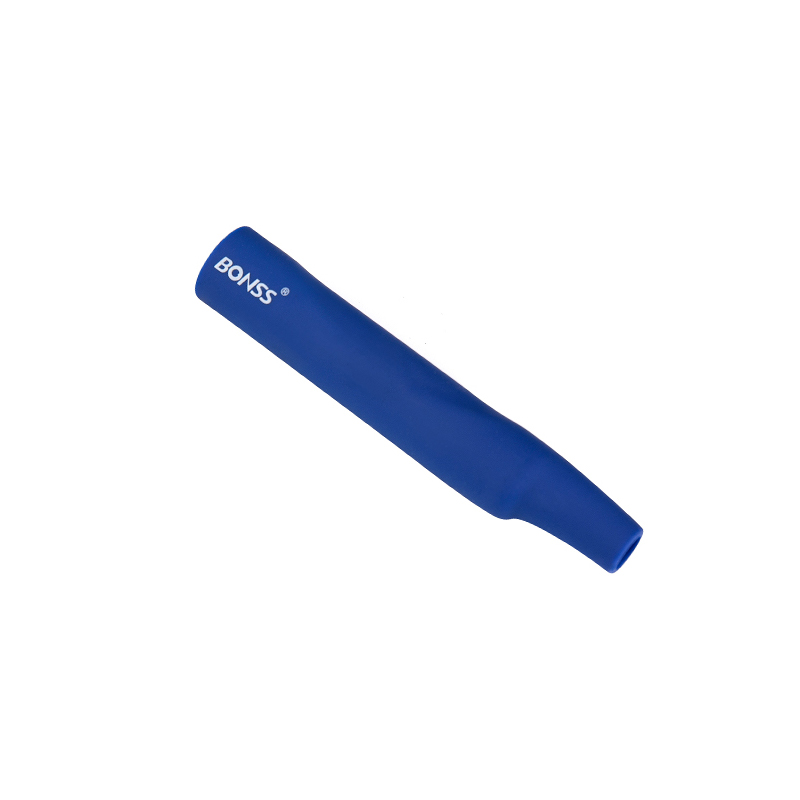
Overmolding is a two-shot injection molding technique that bonds a second material onto a previously molded substrate. In practice, a rigid base part—often a PC/ABS phone case or a nylon tool handle—is molded first and then placed into a second mold cavity, where a thermoplastic elastomer (TPE) or liquid silicone rubber is injected over it. The bond forms either mechanically, through interlocking features, or chemically, when the two materials are compatible at the melt interface. Overmolding eliminates the need for manual assembly of grips, gaskets, or seals, cutting secondary labor costs by up to 70% in some applications.
Successful overmolding demands careful material pairing. A TPE with a Shore A hardness of 50–70 will bond securely to a polypropylene base, while a PC substrate may require a specially formulated bonding TPE. The process also demands tighter tolerances on the first-shot part to prevent flash and ensure a clean transition line. In the consumer electronics sector, overmolding is used extensively for waterproof USB port covers and shock-absorbing device corners, with production yields routinely exceeding 98% once the parameters are dialed in.
ABS (acrylonitrile butadiene styrene) begins life as a raw resin produced through emulsion or mass polymerization of its three monomers. The butadiene component forms a rubbery core, while the styrene and acrylonitrile form a hard graft copolymer shell around it, creating a material that is both impact-resistant and rigid. Global ABS resin production capacity exceeds 12 million metric tons annually, with the top producers located in Asia.
Once the ABS pellets are ready, the most common way to manufacture finished ABS parts is by injection molding. The pellets are dried to a moisture content below 0.05%, melted at a barrel temperature between 200–245°C, and then injected into a steel mold at pressures of 60–100 MPa. Properly molded ABS parts exhibit excellent dimensional stability, a smooth surface that plates easily with chrome, and an impact resistance of 15–20 kJ/m² (Izod, notched). Alternative processes like sheet extrusion and thermoforming are also used to create ABS luggage shells and automotive interior panels, but injection molding remains dominant for parts with complex geometries such as keyboard housings, automotive grilles, and electrical enclosures.
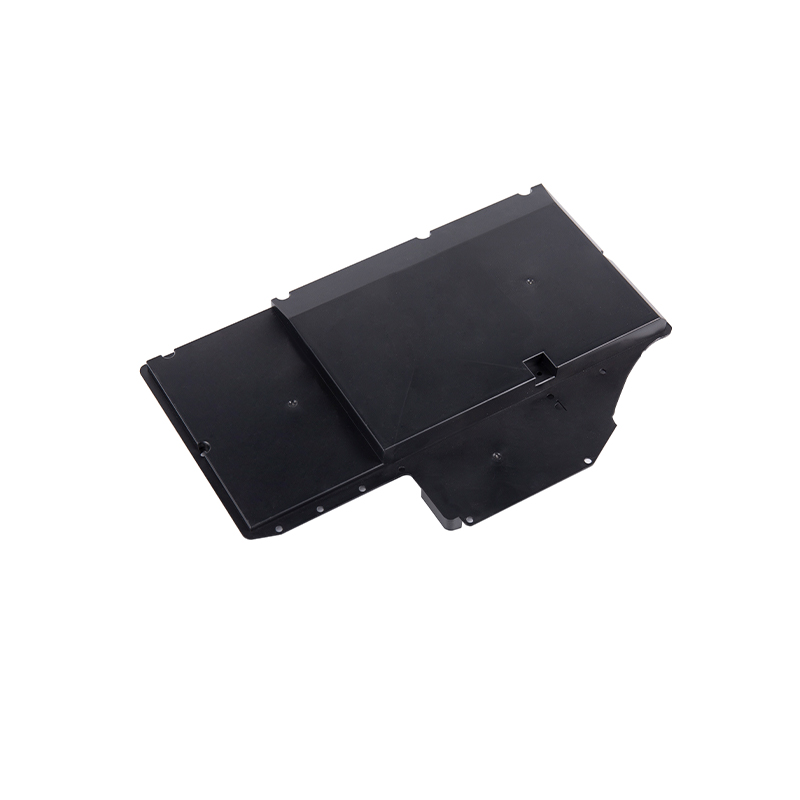
ODM stands for Original Design Manufacturer. In the context of plastic products, an ODM supplier is a factory that maintains a catalog of in-house designed products—be it a Bluetooth speaker enclosure, a handheld fan, or a kitchen gadget—and will produce them for you under your brand name. This is distinct from an OEM (Original Equipment Manufacturer), where you provide the exact design and the factory only follows your specifications. The ODM model can compress the timeline from concept to shipment by 3 to 6 months compared to starting from a blank sheet of paper, and it eliminates most upfront mold and R&D costs.
For a brand looking to launch a new consumer item in a hurry, contracting an ODM plastic manufacturer can be a strategic shortcut. The supplier already has the injection molds, material certifications, and assembly lines set up. Customization is often limited to color, logo, and sometimes minor mechanical adjustments like adding a charging port. Minimum order quantities typically start at 1,000–3,000 units, and unit costs are higher than when you own your own tooling, but the speed-to-market advantage and reduced capital risk explain why ODM partnerships are a thriving segment of the global plastic manufacturing industry.
Copyright © Suzhou Huanxin Precision Molding Co., Ltd. All Rights Reserved.




 English
 中文简体
中文简体