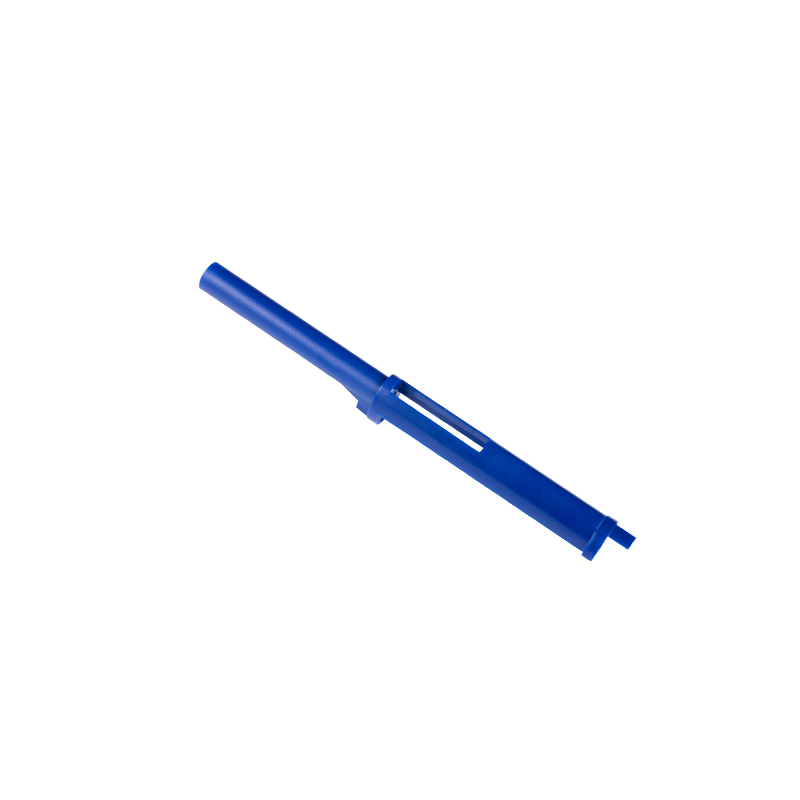
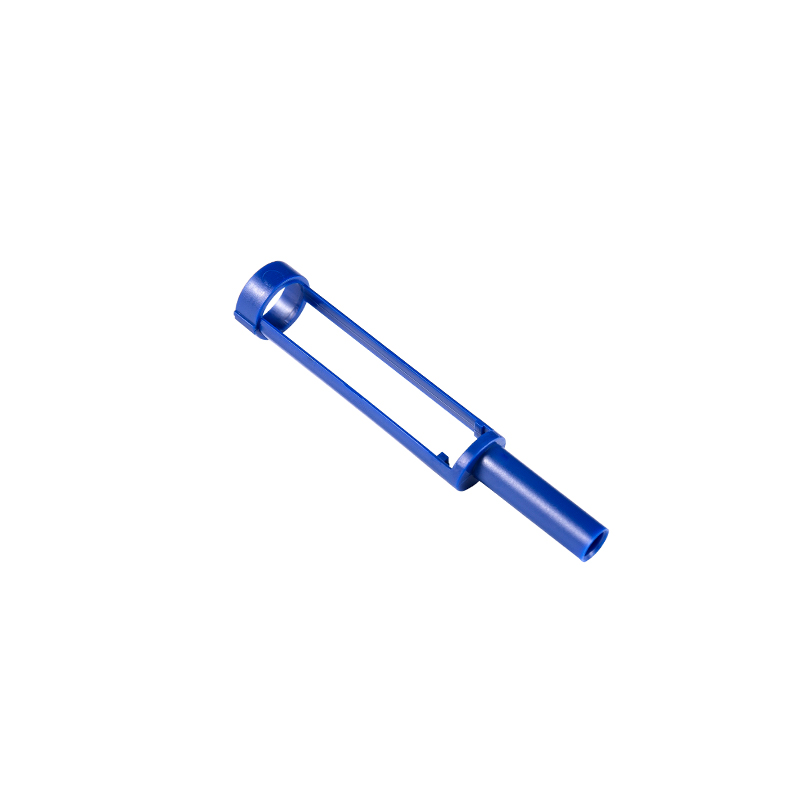
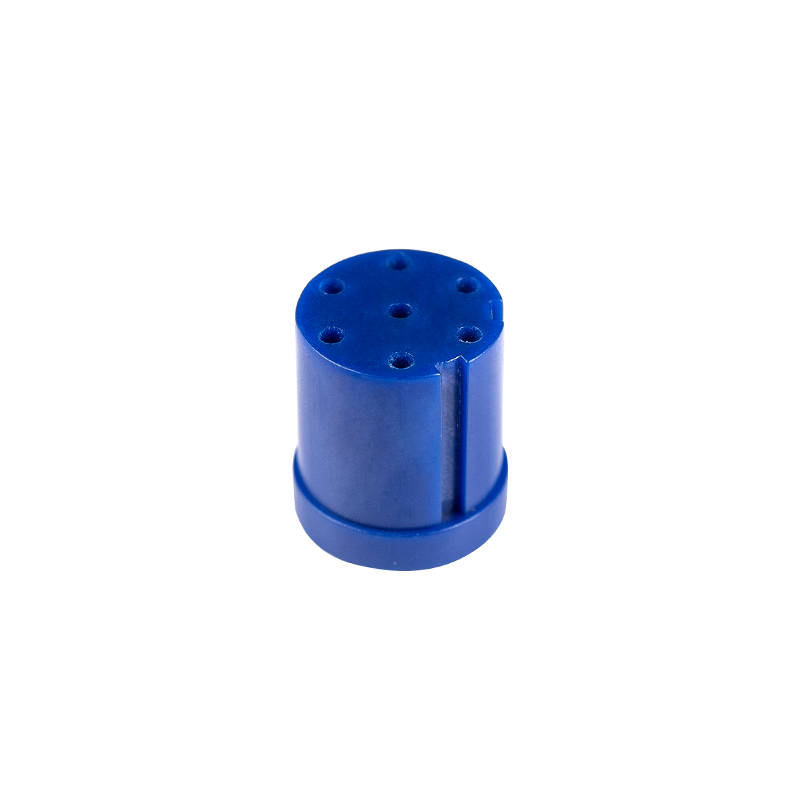
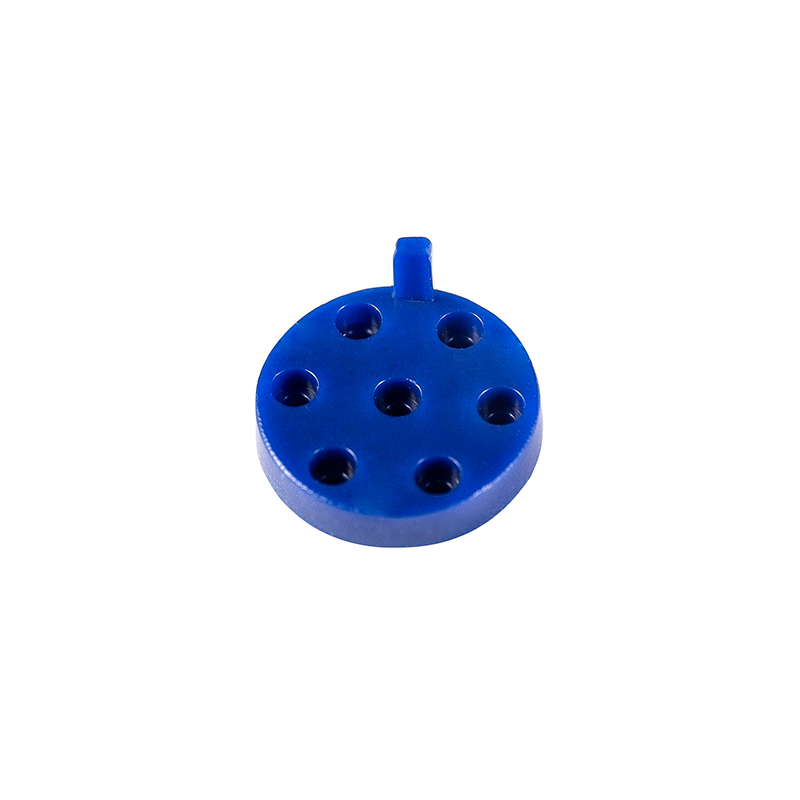
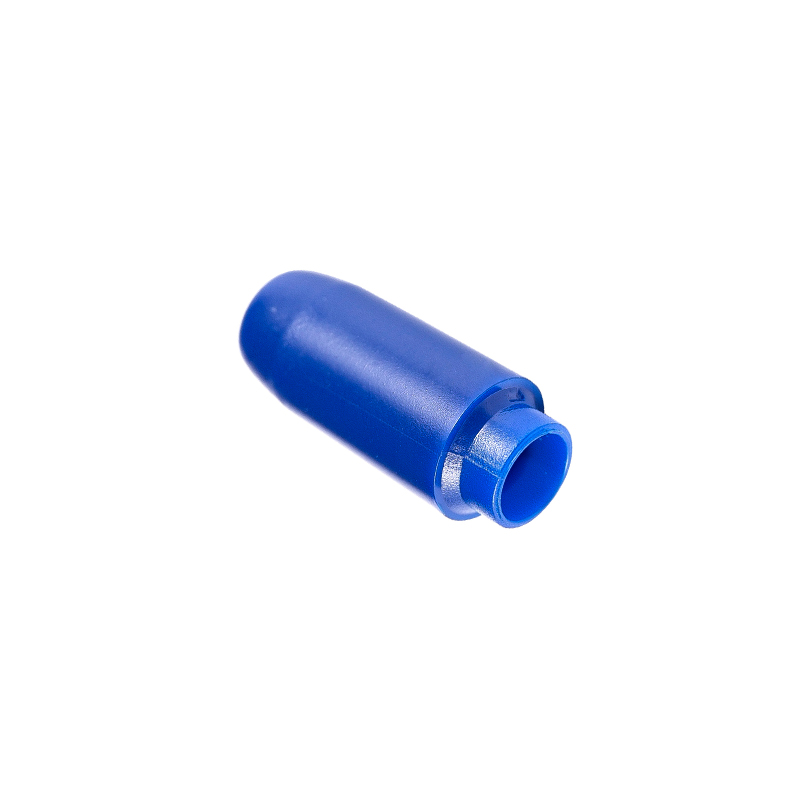
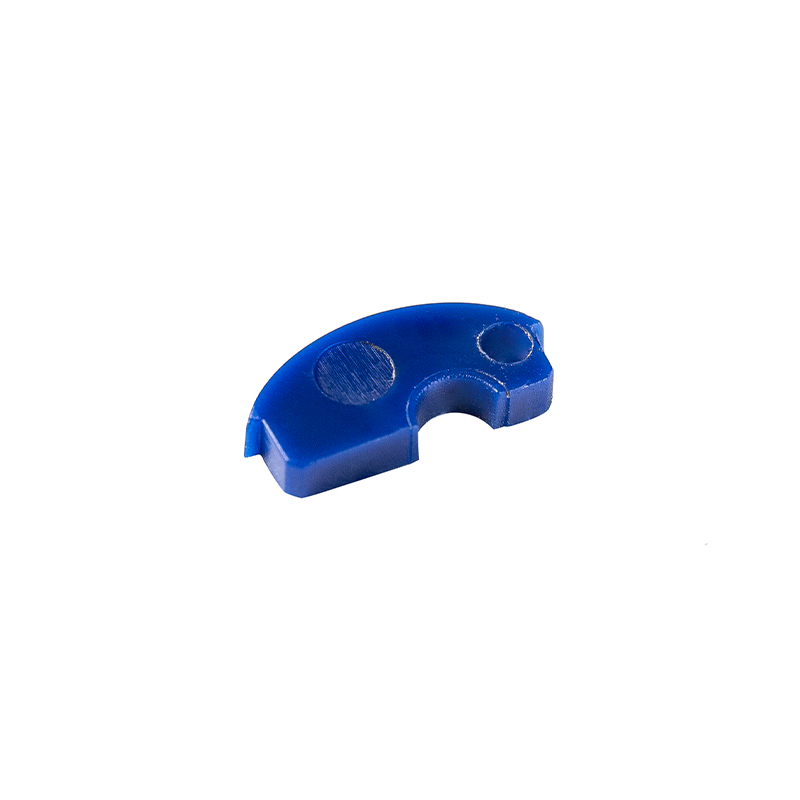
Why Are Automotive Plastic Injection Molding Parts Crucial for Modern Vehicles?
The automotive industry continues to evolve, with manufacturers constantly seeking innovations to improve efficiency, reduce weight, and enhance performance. One technology that has proven to be essential in achieving these goals is automotive plastic injection molding. This process is revolutionizing the way automotive parts are designed, produced, and integrated into vehicles.
Automotive plastic injection molding is a manufacturing process used to create parts for automobiles from plastic. It involves injecting molten plastic into a mold under high pressure, allowing it to solidify into precise shapes. The benefits of this method include high efficiency, scalability, and the ability to produce complex, durable parts that are lightweight.
Benefits of Automotive Plastic Injection Molding:
Cost-Effective
Reduces material waste and labor costs.
Lightweight
Helps reduce the overall weight of vehicles, improving fuel efficiency.
Design Flexibility
Allows for intricate and customizable designs.
Durability
Results in long-lasting, high-performance parts.
Sustainability
Use of recyclable materials reduces environmental impact.
How Automotive Plastic Injection Molding Improves Vehicle Manufacturing:
Plastic injection molding offers numerous advantages over traditional metal parts in automotive manufacturing. By utilizing plastics, automakers can create lightweight components that contribute to fuel efficiency and reduced emissions. Additionally, plastic parts are less prone to corrosion, making them a more durable option than metal counterparts.
Common Automotive Parts Made Using Injection Molding:
Injection molding is used to create a variety of automotive parts, including:
Dashboard components
Bumpers
Air ducts
Trim parts
Engine covers
Each of these parts must meet stringent quality standards, ensuring that they are safe, functional, and long-lasting.
Frequently Asked Questions (FAQs):
Q1: What types of plastics are used in automotive injection molding? A1: Common plastics used in automotive molding include ABS (Acrylonitrile Butadiene Styrene), Polycarbonate, and Polypropylene due to their strength, durability, and resistance to heat.
Q2: How does the injection molding process reduce costs? A2: By minimizing waste and improving the efficiency of production, injection molding allows manufacturers to produce parts at a lower cost compared to other methods.
Q3: Can injection molding be used for both small and large-scale production? A3: Yes, injection molding is highly versatile and suitable for both low and high-volume production runs.
Conclusion:
As the automotive industry continues to embrace more sustainable and cost-effective manufacturing processes, automotive plastic injection molding is poised to play an even greater role in vehicle production. Its ability to produce high-quality, lightweight, and durable parts is making it a key component in the development of the next generation of automobiles.


 English
 中文简体
中文简体