
 English
 中文简体
Home / News / Industry News / Plastic Injection Molding for Medical Devices: A Practical Molder's Guide
There is a certain kind of email we have learned to recognize over the past two decades. An engineer has a medical device design that behaves beautifully in CAD, and now it has to become a few hundred thousand physical parts, consistently, traceably, and without unpleasant surprises at the sterilization stage. Plastic injection molding for medical devices is rarely only about the molding machine. It is about how the polymer behaves in a thin wall, how the tool holds tolerance across a million shots, and whether the paperwork still makes sense two years later.
Suzhou Huanxin Precision Molding has been building precision molds and molding small and medium plastic parts since September 2002. Medical work has gradually become the largest part of our shop: insulin pen internals, transparent endoscope connectors, minimally invasive scalpel housings, device brackets, caps and lenses. What follows is roughly what we would tell a new customer in the first meeting, before anyone talks about price.
Content
Medical devices ask for three things at once that are genuinely hard to combine: tight geometry, repeatability at volume, and a material that can survive cleaning, disinfection or sterilization without cracking or clouding. Injection molding answers all three when it is set up correctly. Once a tool is proven, the process reproduces the same cavity dimensions shot after shot, and the part cost falls as volume rises.
The reasons our medical customers keep coming back to the process are fairly consistent:
In medical projects, the material usually decides the geometry rather than the other way around. If the part will be gamma sterilized, a polymer that yellows or embrittles is off the table no matter how well it flows. If the part is a transparent connector, clarity and low birefringence narrow the field quickly. We normally sit down with the drawing, the sterilization method, the expected contact duration and the assembly method before we recommend anything.
| Material | Typical medical parts | What it brings |
|---|---|---|
| Transparent PC | Endoscope connectors, lenses, laryngoscope elbows | Clarity, toughness, good dimensional control |
| PA66-GF30-15%PTFE | Injection pen push rods, drum gears | Stiffness with built-in low friction |
| POM | Release buttons, small drive components | Stable dimensions and chemical resistance |
| PBT and PBT-20GF | Push rod drivers, rotating barrels | Holds up in chemical and sterilization environments |
| ABS | Scalpel handle shells, protective caps | Easy processing, clean surfaces, reliable bonding |
| TPEE | Shell connection ports | Flexibility with snap-fit recovery |
| PP and PA12 | Card reader brackets, lamp cover assemblies | Chemical resistance, low moisture uptake |
We keep our own notes on how each grade actually behaves on our machines, because data sheets describe a resin at 23 degrees, not at the melt temperature your part needs. That practical record is often the difference between a tool that runs clean on the first trial and one that needs three rounds of steel correction.
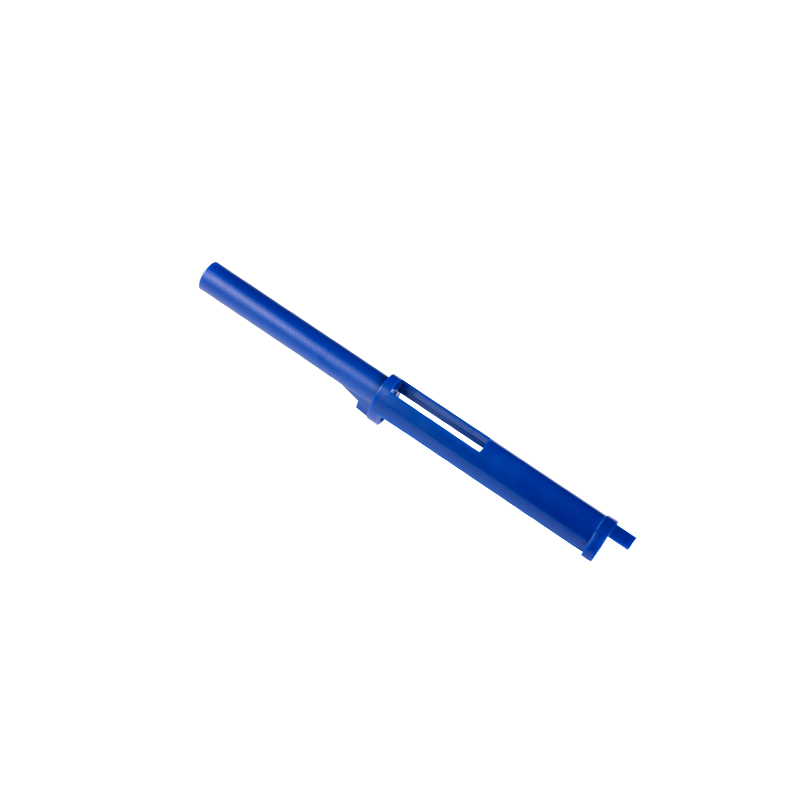
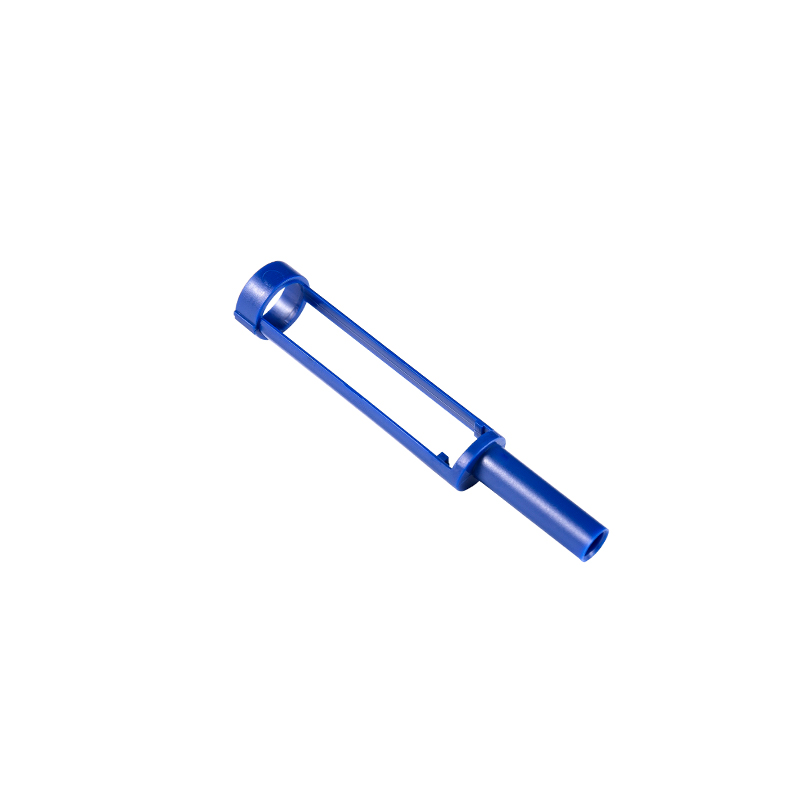
Pen parts are a good example of dimensions that are small but unforgiving. A push rod a few grams in weight carries the dose accuracy of the whole device, so the cavity layout, the gate position and the post-molding conditioning all have to be settled early. We mold drum gears, large and standard push rods, rotating barrels, dose adjustment buttons, release buttons and transparent refill holders in a range of filled and unfilled engineering plastics.
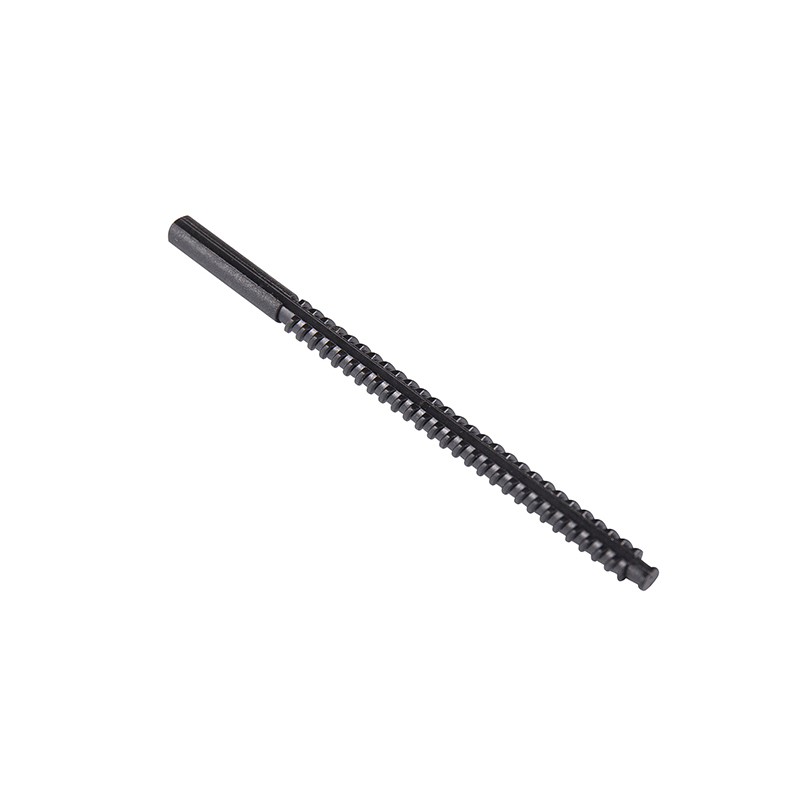 PA66 Composite Medical Injection Pen Push RodA 0.70 g push rod molded from PA66 with 30% glass fiber and 15% PTFE, relevant to precise dose delivery and sliding wear.View Product →
Transparent components are where tool polish and process stability show themselves immediately. A connector at 1.6 grams may look simple, but any weld line or slight haze in the optical path becomes visible under the physician's light. We work on melt temperature control, gate placement and ejection balance to keep the transparency even across all cavities.
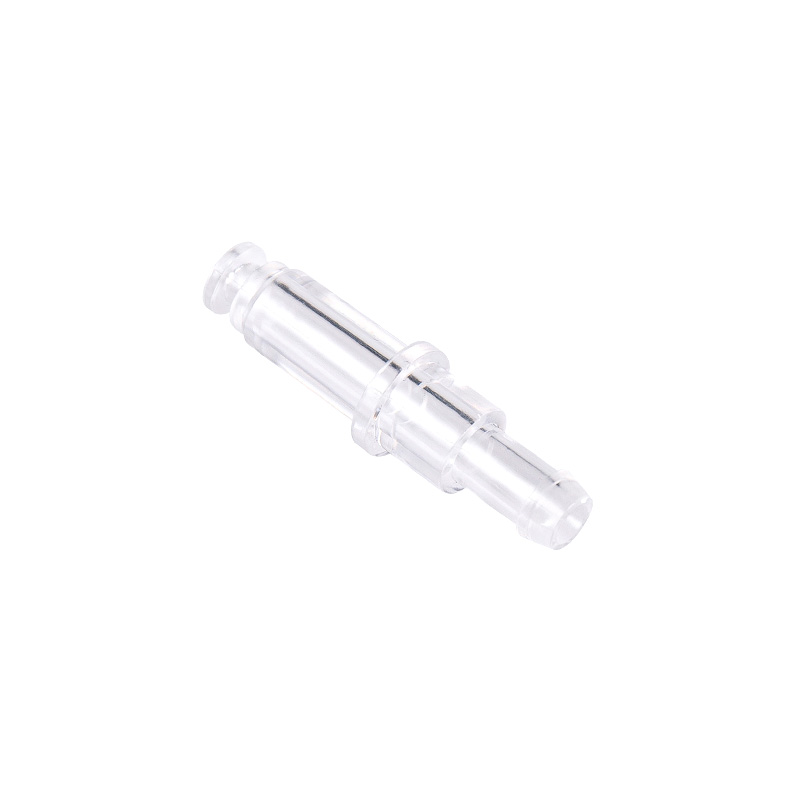 1.6 g Transparent PC Gastroscope ConnectorA 1.60 g transparent PC connector for gastroscope and endoscopy assemblies, with a compact interface intended to support stable connections and clear observation.View Product →
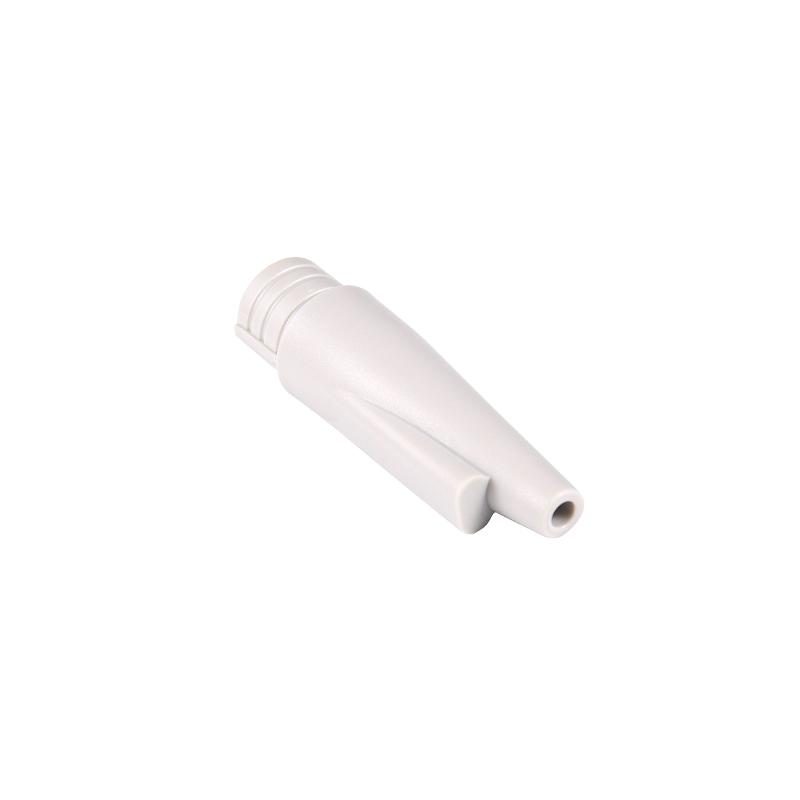
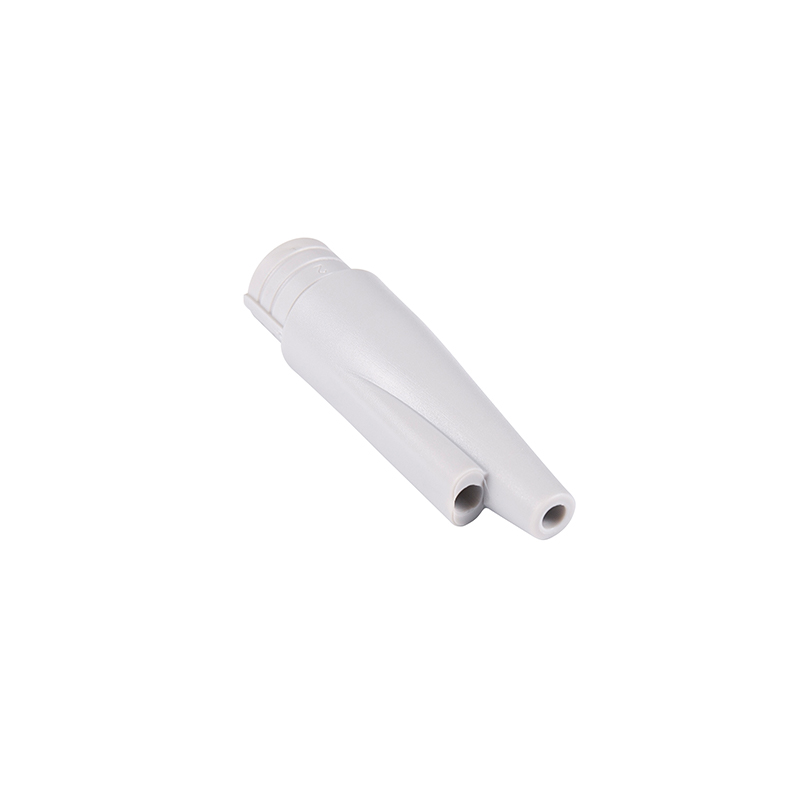
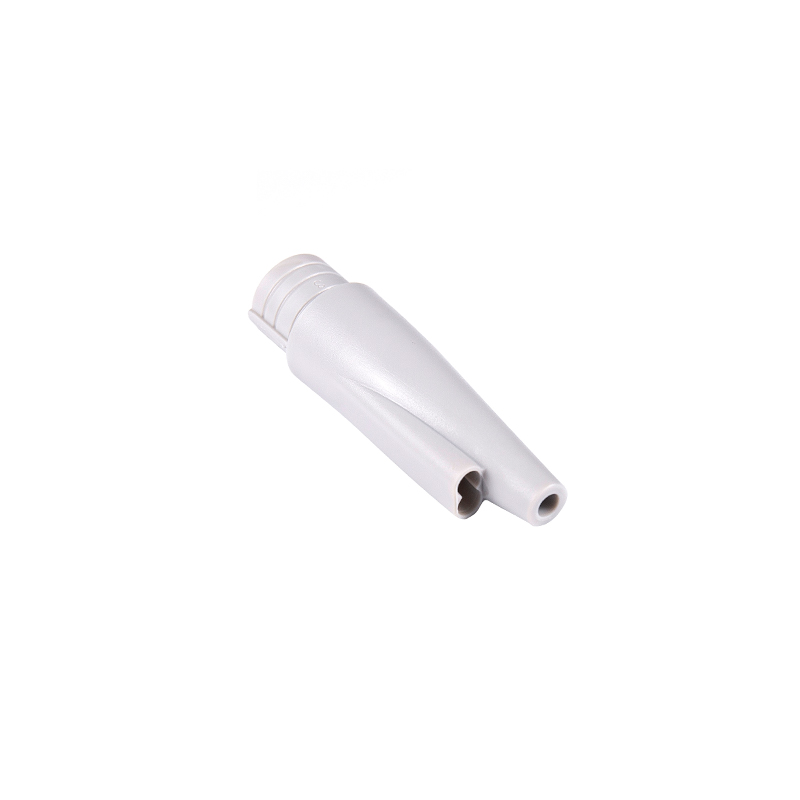
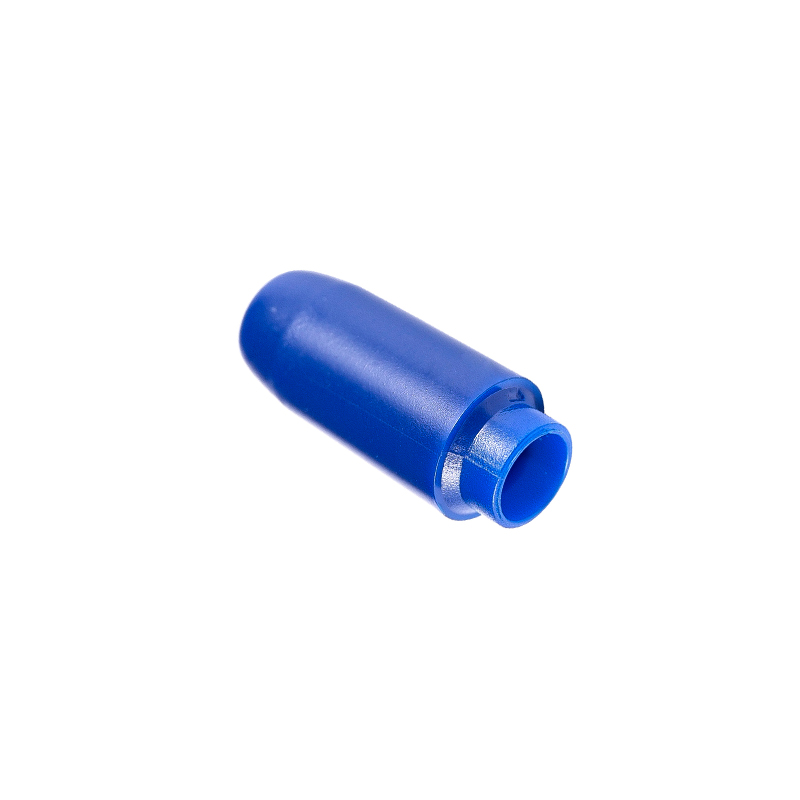
A scalpel handle shell has to feel rigid in the hand, hold the needle and steel tube precisely, and still assemble without force. That combination usually means splitting the geometry into a front end, a body shell, a tail shell and internal fixing pieces, each with its own tolerance contribution. Choosing between ABS, medical grade PTFE-blended grades and other options is a conversation about assembly and sterilization, not just material price.
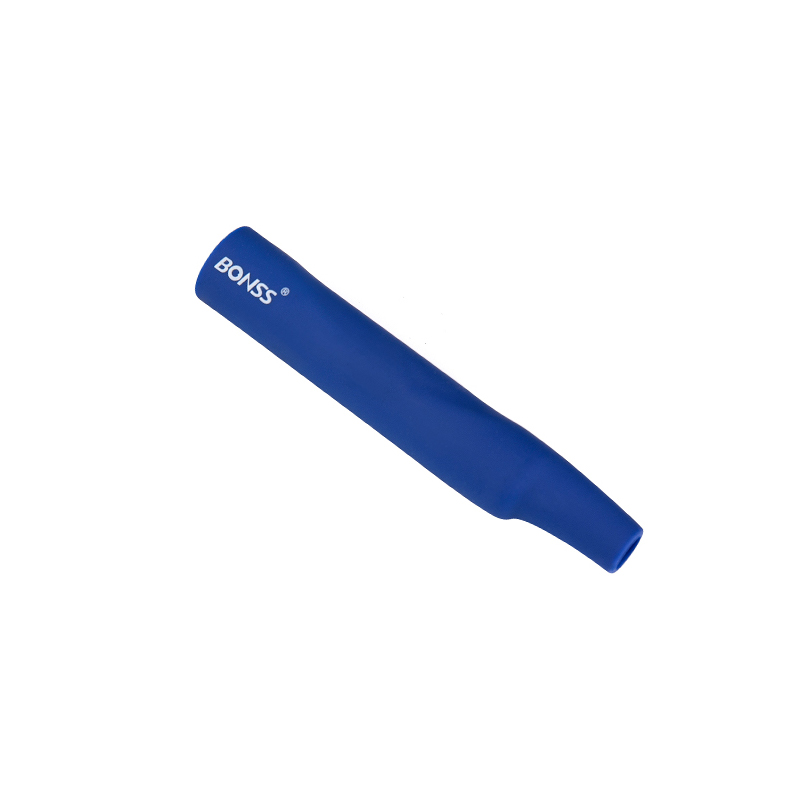 ABS Minimally Invasive Scalpel Handle ShellAn 8.23 g ABS handle shell measuring 101.55 × 18 × 18 mm, designed for minimally invasive scalpel assemblies with ergonomic grip and insulated housing.View Product →
By the time a part reaches the molding machine, most of its fate is already sealed in the mold. Cavity steel selection, parting line position, venting, cooling layout and ejection strategy set the ceiling on what the process can achieve. On medical work we tend to invest more time in the tool design review than in any other single step, and we involve the customer's design team in that review.
The process side is equally disciplined. In practice, a new medical part moves through a fairly fixed sequence:
Our production floor runs precision computer-controlled injection machines and a set of measuring instruments matched to small-part work, and we build our own molds in-house rather than outsourcing them. That matters when a medical customer needs a steel correction in week three instead of month three.
Customers entering this field often hear three standard numbers and are not sure which applies to them. ISO 13485 is the quality management standard for medical device manufacturing and covers documentation, traceability, risk management and non-conformance handling. ISO 10993 addresses biological evaluation, which is why material certificates and biocompatibility data matter long before the first shot. ISO 14644 governs cleanroom classification, and it decides whether your part needs to be molded or packed in a controlled environment at all.
We are straightforward about scope: our quality system is certified to ISO 9001, which we maintain through regular re-audits, and we support customers who need medical documentation packages, material traceability and inspection records built around their own ISO 13485 obligations. If a project needs a cleanroom-molded component, we say so early rather than after the tool is cut. You can read more about our quality management milestones in our ISO 9001 re-audit update.
The projects we enjoy most start with a drawing, a device function description and an honest conversation about volume. From there we can quote tooling and parts, propose a material to test, and tell you where the design will fight the process. Our full range of medical injection molding accessories shows the part families we already make, which is often the fastest way to see whether our experience lines up with your program.
Medical molding rewards patience at the front end and discipline afterwards. If you are still at the design stage, that is the best time to talk — a small change to a wall thickness or a gate location costs far less than a steel revision later.
Copyright © Suzhou Huanxin Precision Molding Co., Ltd. All Rights Reserved.