
 English
 中文简体
Home / News / Industry News / Injection Molding Parts: Precision Plastic Components for Medical, Automotive & More
Every precision device — from an insulin pen that delivers a measured dose to an automotive electric strut that lifts a tailgate — depends on small plastic components that most people never see. These are injection molding parts: polymer components shaped under high pressure inside a steel mold, engineered to meet exact dimensional, mechanical, and aesthetic requirements. At Suzhou Huanxin Precision Molding, we have spent more than two decades designing and producing these components for OEM customers across medical, automotive, electrical, and industrial equipment markets. This article walks through what makes injection molded parts different, how materials and mold design influence their performance, and what to look for in a manufacturing partner.
Content
Injection molding parts are plastic components produced by injecting molten resin into a closed mold cavity under high pressure. Once the material cools and solidifies, the mold opens and the finished component is ejected. The process is highly repeatable, which makes it ideal for producing everything from tiny medical connectors weighing little more than a gram to larger structural housings and brackets that must survive years of service.
Compared with other plastic manufacturing methods, injection molding offers unique advantages:
Because the mold determines the shape and texture of the finished part, tool quality is the single most influential factor in a successful injection molding project.
Choosing the right resin is just as important as designing the geometry. Each polymer brings its own balance of strength, chemical resistance, transparency, dimensional stability, and thermal performance. Over the years, we have molded parts in materials ranging from general-purpose ABS to high-performance engineering plastics such as PA66 with glass fiber and PTFE modifications.
| Material | Typical Applications | Key Properties |
|---|---|---|
| ABS | Handheld device housings, scalpel handles | Impact strength, good surface finish |
| PA66 + GF30 | Injection pen push rods, gear components | High stiffness, wear resistance |
| PC | Transparent connectors, lamp bases | Optical clarity, dimensional stability |
| POM | Gears, release buttons | Low friction, fatigue resistance |
| PBT | Push rod drivers, rotating barrels | Chemical resistance, electrical properties |
When a part must survive repeated sterilization, carry a mechanical load through thousands of cycles, or remain optically clear after extended use, material selection becomes a collaborative decision between the product designer and the molding specialist.
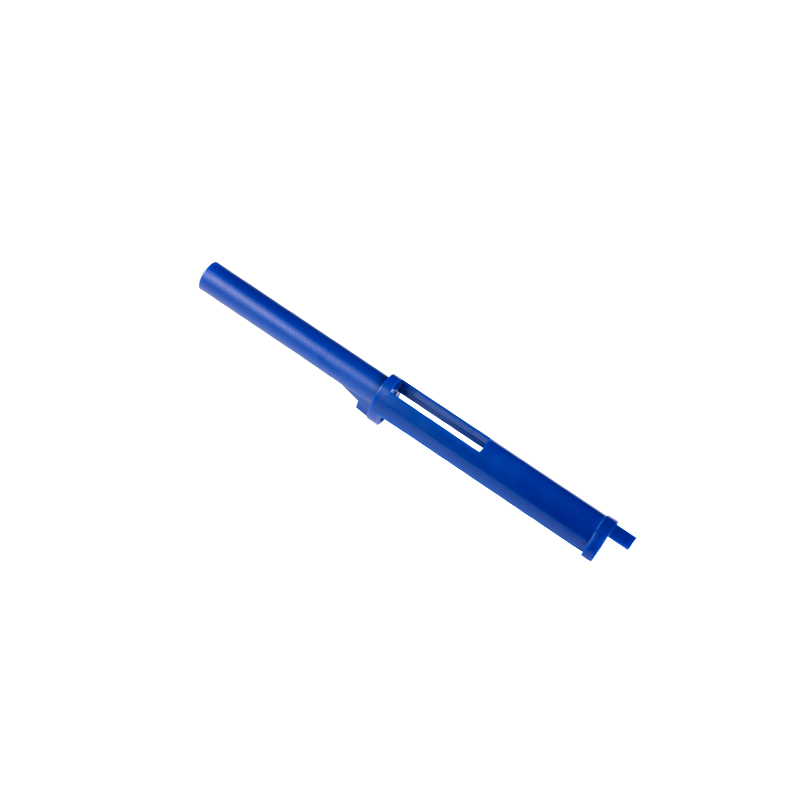
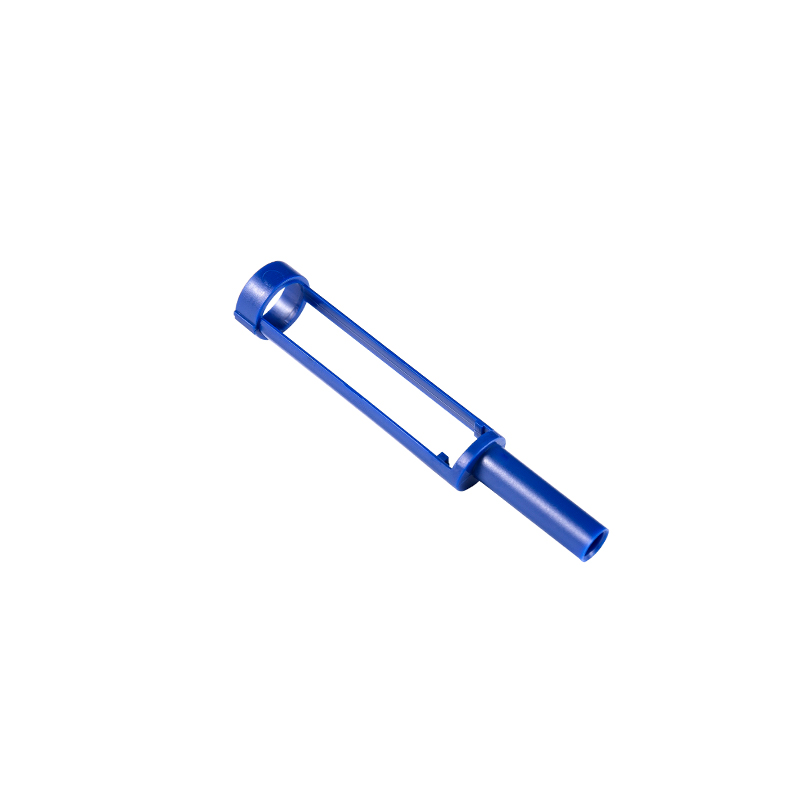
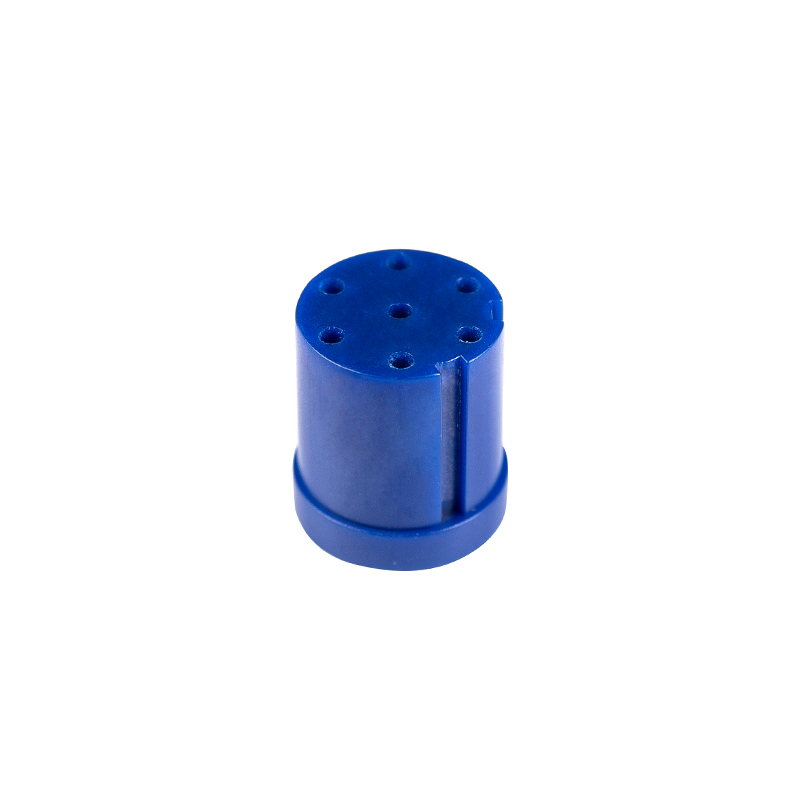
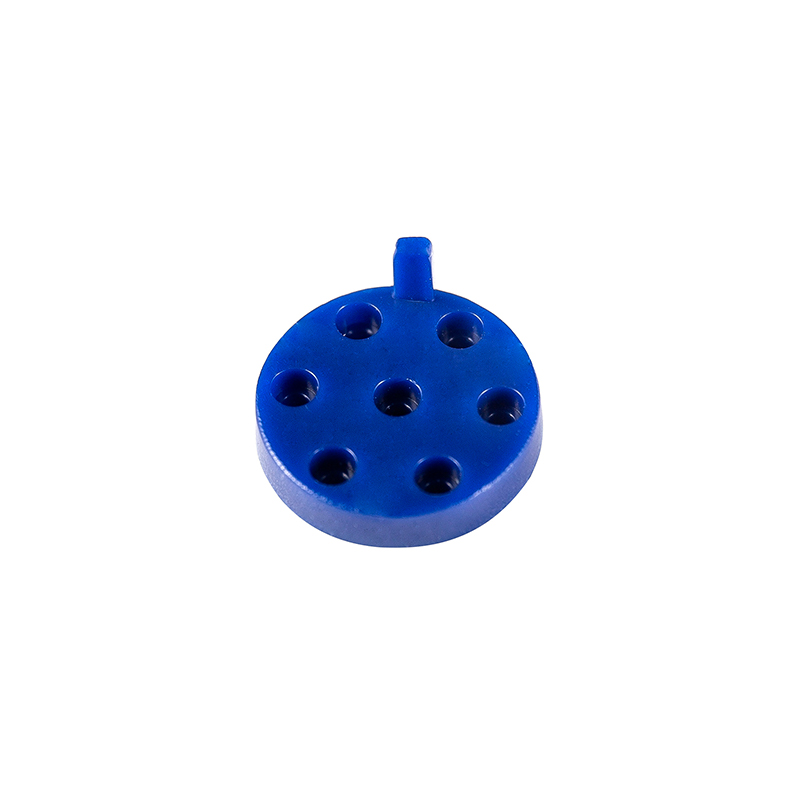
Medical devices demand the highest level of precision. A push rod in an injection pen, for example, must advance a dose with consistent force over the entire lifetime of the device. The drum gear, dose adjustment button, and threaded barrel all work together, and every injection molded component must hold its geometry through chemical exposure and repeated actuation.
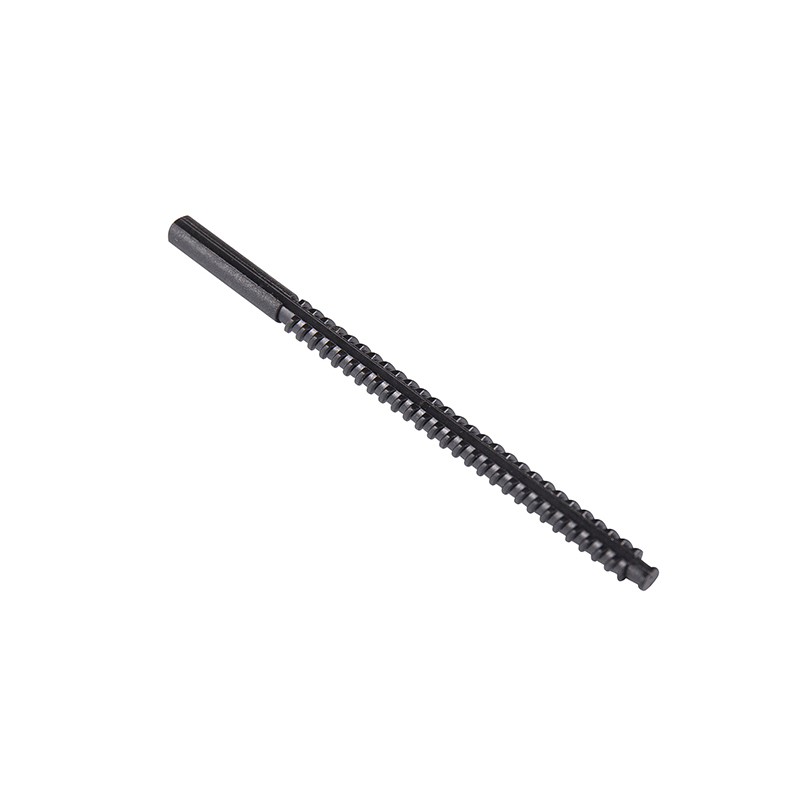 Medical Injection Pen Push Rod in PA66+GF30+15PTEEPrecision push rod for injection pens, molded in PA66+GF30+15PTEE for high strength, low friction, and dimensional stability, ensuring reliable dose delivery in medical devices.View Product →
Minimally invasive surgical instruments place an equally heavy burden on plastics. Small ABS handles, needle fixation covers, and steel tube fixation components must mate cleanly with metal parts while withstanding sterilization processes. Transparent polycarbonate connectors used in gastroscopes and other endoscopic equipment require optical clarity without sacrificing structural integrity. These applications push molders to combine material expertise, tight process control, and careful handling of the molded parts. Our experience with medical-grade materials such as PA66-GF30-15%PTFE and transparent PC has taught us that consistency is not optional — it is a clinical and regulatory necessity.
In the automotive sector, injection molding parts contribute to lightweight construction and functional integration. Electric strut bushings, spring inner and outer sleeves, and lamp dimming motor housings rely on materials such as PA66 and PA612 to resist vibration, temperature swings, and long-term mechanical stress. A bushing that fails after years of use can compromise an entire power liftgate system, which is why dimensional accuracy and material consistency matter so much in these parts.
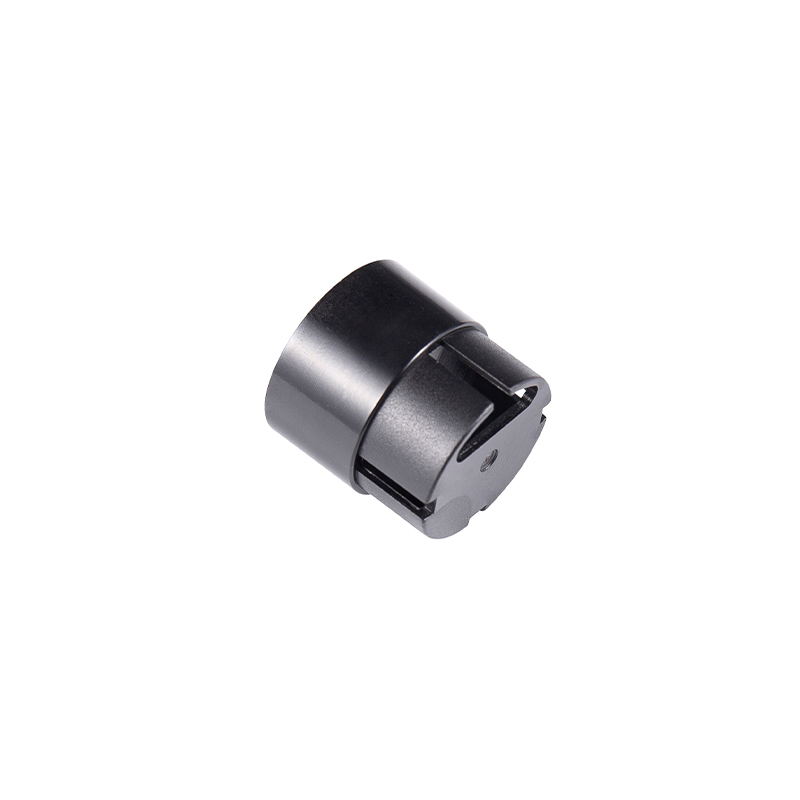 PA66 Electric Strut Bushing for Automotive SystemsPrecision PA66 bushing for automotive electric struts, with high crystallinity and heat resistance, ensuring dimensional accuracy for reliable liftgate and window operation.View Product →
Precision molds and stable process control are the backbone of this consistency. Part-to-part repeatability keeps assembly lines running and prevents field failures, which is why automotive customers typically audit their suppliers' mold maintenance and measurement routines before approving a program. Electrical and office equipment follow similar logic: internal printer components, lamp bases, and adjustment knobs must maintain stable electrical properties and dimensional accuracy over years of service. Materials like HIPS and PC/ABS blends offer a practical balance of processability, mechanical strength, and cost.
Beyond medical and automotive, injection molding parts support food processing machinery, electric motors, and water quality testing instruments. A 50-gram instrument housing may look deceptively simple, but the mold must account for wall thickness variations, insert placement, and gate position to keep every unit within specification. Overmolded motor end covers combine metal inserts with plastic in a single molding cycle, reducing assembly time and improving reliability.
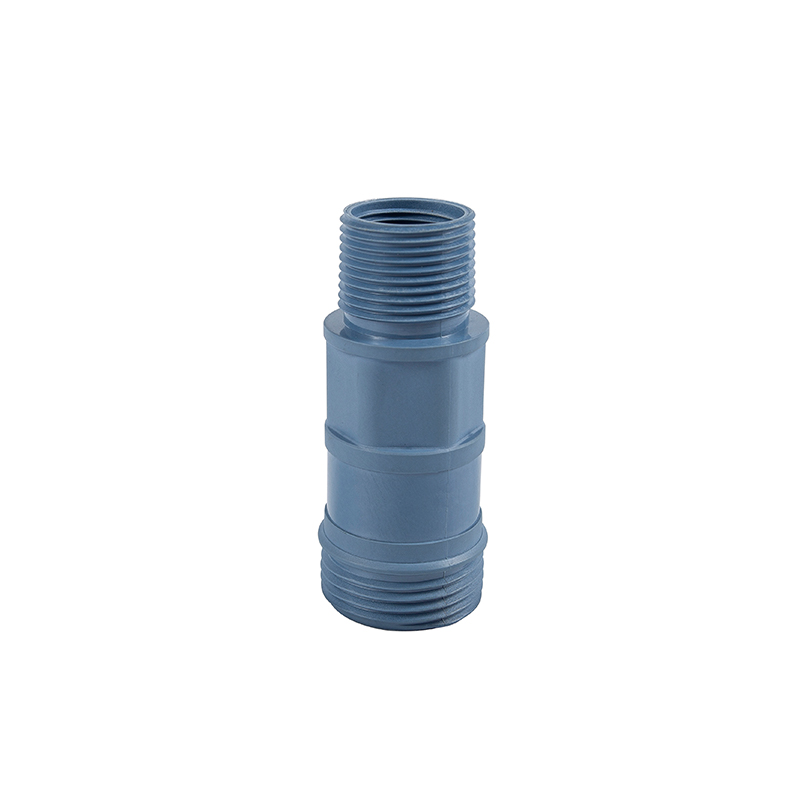 PPS Water Quality Tester HousingPrecision-molded PPS housing for water quality testers, engineered for corrosion resistance, weatherproofing, and dimensional stability to protect measurement systems in complex environments.View Product →
Food-grade meat hooks molded in PA6 must resist repeated cleaning and low temperatures without cracking, while POM gears in food machinery require low friction and exceptional wear resistance. Each of these components demonstrates how injection molding adapts to the specific demands of its target environment.
No matter how well the material performs, an injection molded part can only be as accurate as the mold that shapes it. In-house mold design and manufacturing gives us direct control over gate placement, cooling channel layout, and ejection systems. That means the tool can be optimized for the specific plastic and the specific application before production begins, rather than adjusted through trial and error during manufacturing.
During production, precision injection molding machines and regular dimensional verification keep every batch within tolerance. Shrinkage, warpage, and flash are managed through carefully selected process parameters: melt temperature, injection pressure, holding time, and cooling rate. We also pay close attention to the auxiliary systems around the molding machine — mold temperature controllers, dryers, and material handling equipment all influence the final part quality. Small adjustments in any of these variables can make the difference between a part that fits perfectly and one that is rejected during assembly.
Cost is a natural concern for any new project. For a closer look at what drives pricing and how to plan a budget, read our practical breakdown of injection molding costs.
When you source injection molding parts, you are really choosing a long-term manufacturing partner. The right partner brings experience across a wide range of materials, a disciplined approach to mold construction, and the production capacity to scale from prototype to volume. Since 2002, our facility in Suzhou has developed custom molds and molded precision components for OEM customers in the medical, automotive, electrical, food machinery, motor, and water quality industries. We are glad to share that experience; learn more about our company and manufacturing capabilities.
Whether you need a transparent medical connector, a glass-fiber-reinforced automotive bushing, or a rugged industrial housing, the fundamentals remain the same: thoughtful material selection, carefully engineered molds, and disciplined process control. That is what turns a simple plastic part into a dependable component of a larger system — and what makes injection molding one of the most versatile manufacturing processes available today.
Copyright © Suzhou Huanxin Precision Molding Co., Ltd. All Rights Reserved.