
 English
 中文简体
中文简体 Home / News / Industry News / Injection Molding Medical Plastics: A Practical Guide for Device Makers
Medical plastics are rarely chosen for convenience. They are chosen because a device has to survive sterilization, hold its dimensions for years, and never introduce an unexpected reaction into a patient's body. Injection molding is what turns those polymers into finished parts at volume, but molding for medical work is a discipline in its own right rather than a variation on ordinary part production.
We are a precision mold and injection molding manufacturer working out of the Hengjing Industrial Park in Wuzhong District, Suzhou. Since September 2002 our team has designed molds and molded small and medium precision plastic components for equipment builders, and medical work has grown into the largest share of our business, from minimally invasive scalpel shells to the drive parts inside injection pens and the transparent connectors used in endoscopes.
Content
A medical part seldom fails for the reasons a consumer part fails. Nobody complains about the colour of a push rod; they do complain when a connector cracks after the third autoclave cycle, or when a batch of gears arrives a hundredth of a millimeter out of specification and the assembly line stops. Medical injection molding is judged on repeatability, evidence and material behaviour.
Four requirements shape almost every decision on a medical program:
Over the years our shop has built a practical map of which engineering plastics suit which device function. The table below is the short version of that map, limited to the materials that appear again and again in medical projects.
| Material | Why it is chosen | Typical medical parts |
|---|---|---|
| Transparent PC | Optical clarity, toughness, survives repeated cleaning | Gastroscope connectors, lenses, rotating discs, laryngoscope elbows |
| ABS | Dimensional stability, clean finish, easy assembly | Scalpel handle shells, needle fixing covers, protective caps, hinge covers |
| PA66 with glass fibre and PTFE | Stiffness, wear resistance and low friction in sliding contact | Injection pen drum gears, push rods, tail handles |
| PBT and PBT-20GF | Chemical resistance, stable behaviour after sterilization | Push rod drivers, rotating barrels |
| POM | Creep resistance, precise and stable dimensions | Release buttons, small mechanism gears |
| PP and PE | Chemical inertness, flexibility, low cost | Card reader brackets, housings, fluid-adjacent parts |
| PA12 and PA612 | Low moisture uptake, toughness at low temperature | Lamp assemblies, spring sleeves and bushings |
The interesting part is never the data sheet. A PA66-GF30 compound modified with PTFE behaves very differently in a thin-walled gear than in a thick push rod, and that difference decides gate position, holding pressure and cooling time. We normally settle those questions with a short molding trial before the production mold is finalized, because a few hours of trial work is cheaper than a tool that cannot hold tolerance.
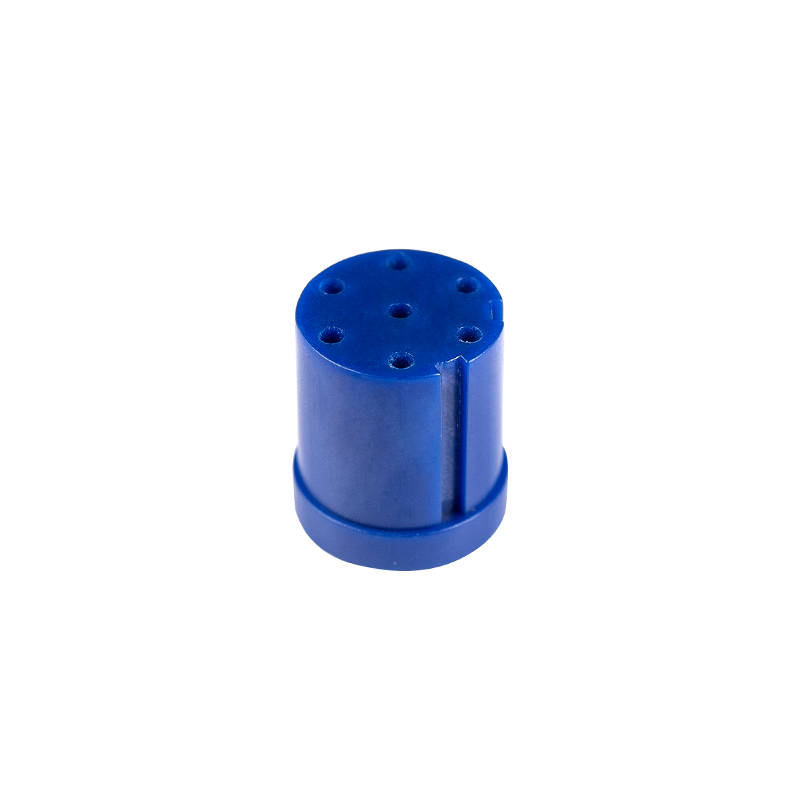
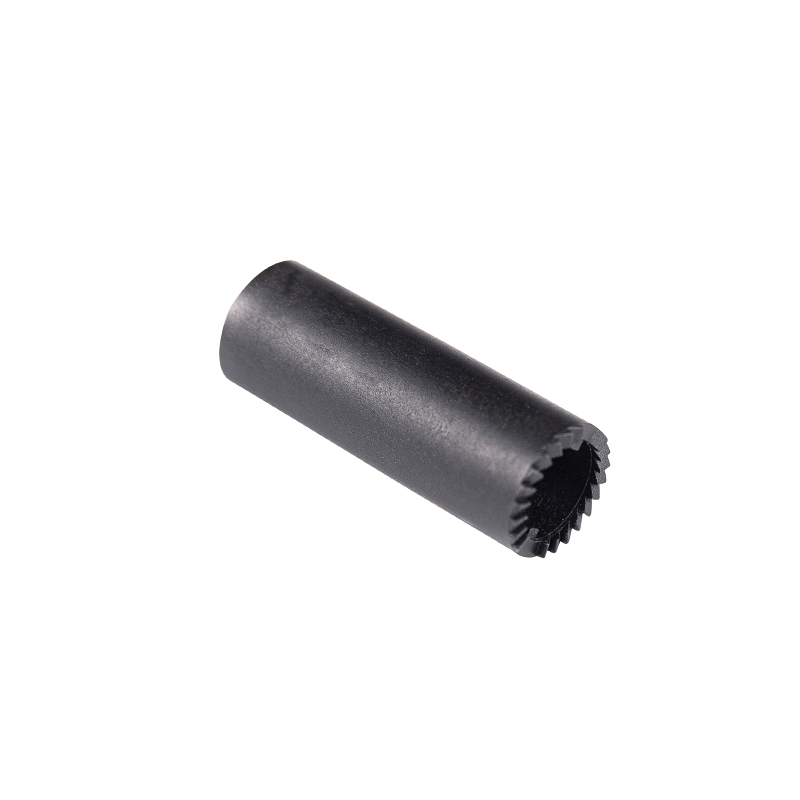 Medical Injection Molding PA66+GF30+15PTEE Injection Pen Drum GearMaterial: PA66+GF30+15PTEEView Product →
In medical work, most quality problems are designed in or designed out long before the machine starts. Three areas come up in nearly every project.
Thin walls fill quickly but warp; thick walls mold slowly and sink. On a transparent part, even a slight variation in wall section shows up as optical distortion the customer will notice immediately, so wall thickness is balanced and cooling is designed around the geometry rather than the mold base.
Gate location sets weld line positions, and a weld line in a load-bearing medical part is a durability risk. Where a part must stay transparent, gates and vents are placed so flow fronts meet in areas that are either hidden or not optically critical.
Many devices combine a metal insert with a molded body: a steel pipe fixing plate, an insert-molded shaft, an overmolded sleeve. The mold has to hold that insert in exactly the right place while polymer shrinks around it, which is a fixture and cooling problem as much as a molding problem.
First shots are easy to make; the thousandth shot is the one that matters. Our production floor uses precision computer-controlled injection machines supported by in-house mold manufacturing and precision measuring instruments, so a tool can be adjusted, repaired or re-cut without waiting on an outside supplier.
For medical parts we fix the process window during validation and then treat it as a boundary rather than a suggestion. Melt temperature, holding pressure, cooling time and mold temperature are recorded per mold and per part, and any drift outside the window triggers an inspection rather than a hopeful adjustment.
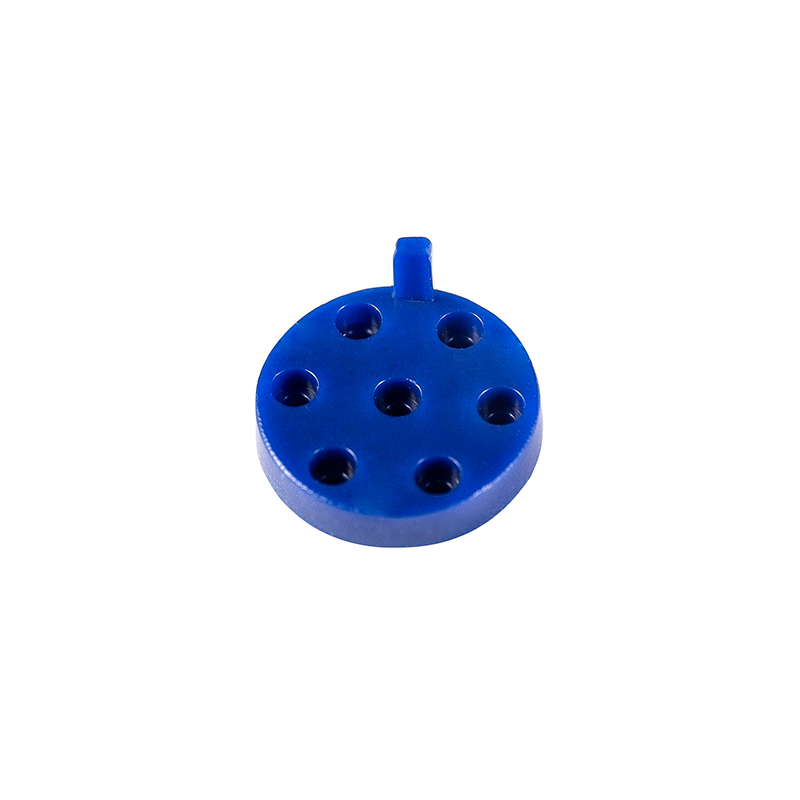
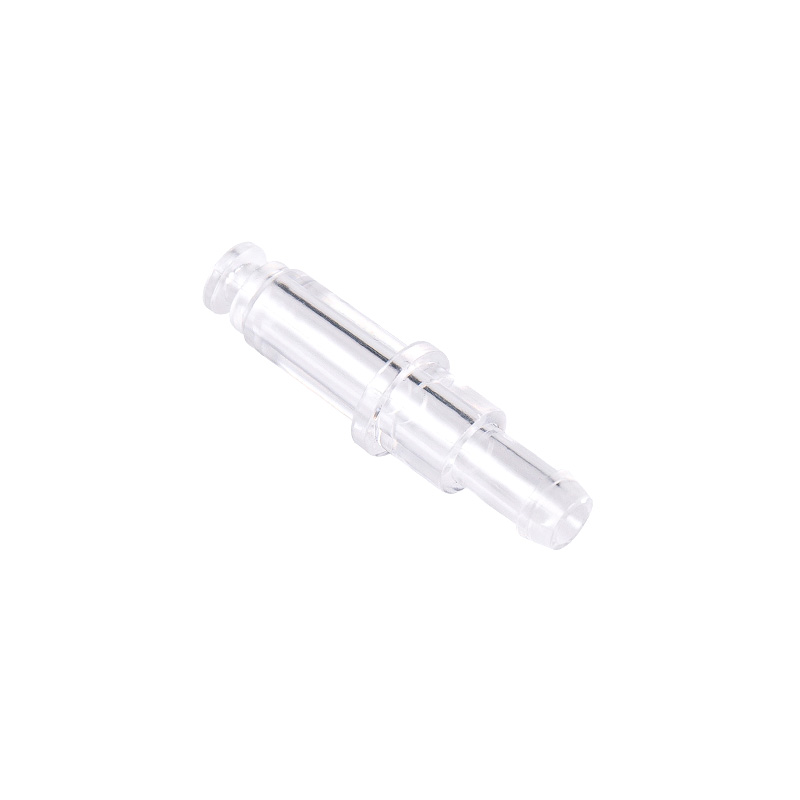 1.6g Medical Gastroscope Transparent Injection Molded ConnectorThe 1.6g medical gastroscope transparent injection molded connector is specially designed for modern endoscopy. The connector is made of high-quality medical-grade tra...View Product →
Our medical range has been built around specific device families rather than generic shapes, and each family carries its own material logic.
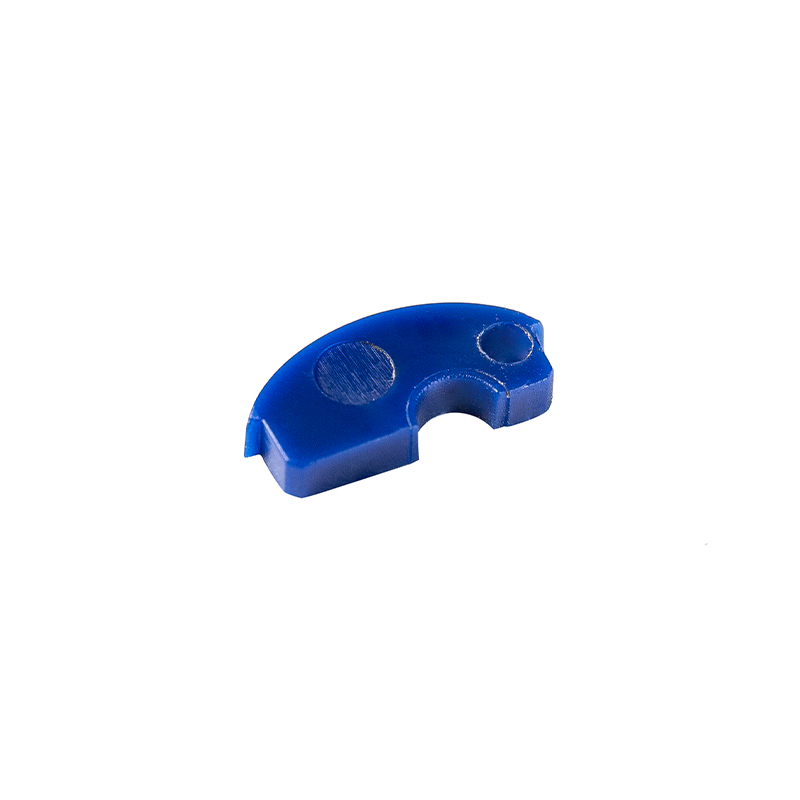
A scalpel handle shell, a needle fixing cover, a steel pipe fixing plate: these are small ABS parts where a few hundredths of a millimeter decide whether the instrument assembles smoothly in the surgeon's hand. Medical-grade PTFE tail shells are used where sliding contact and cleaning resistance matter more than stiffness.
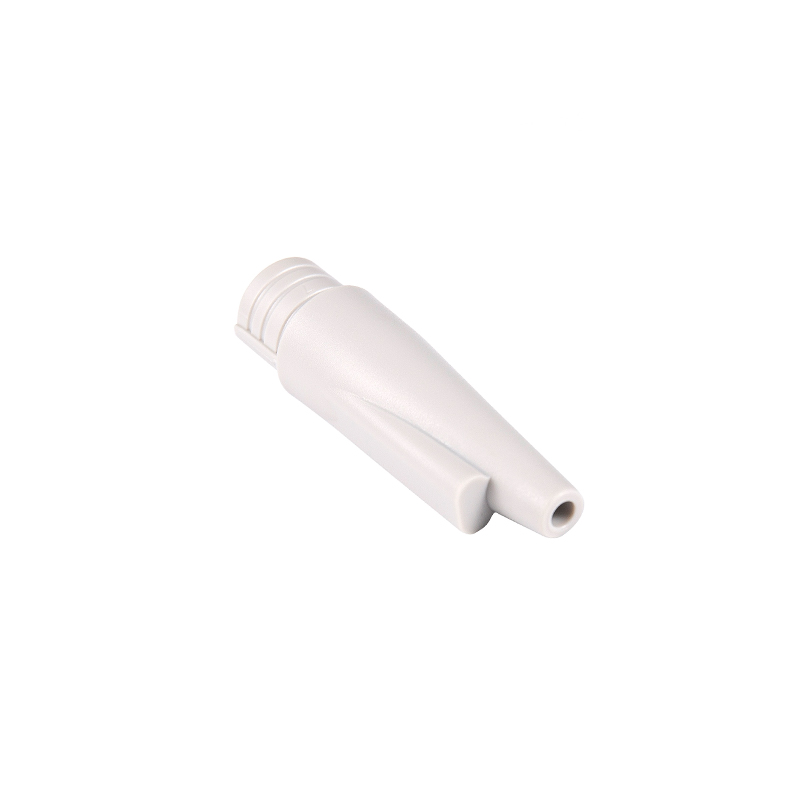
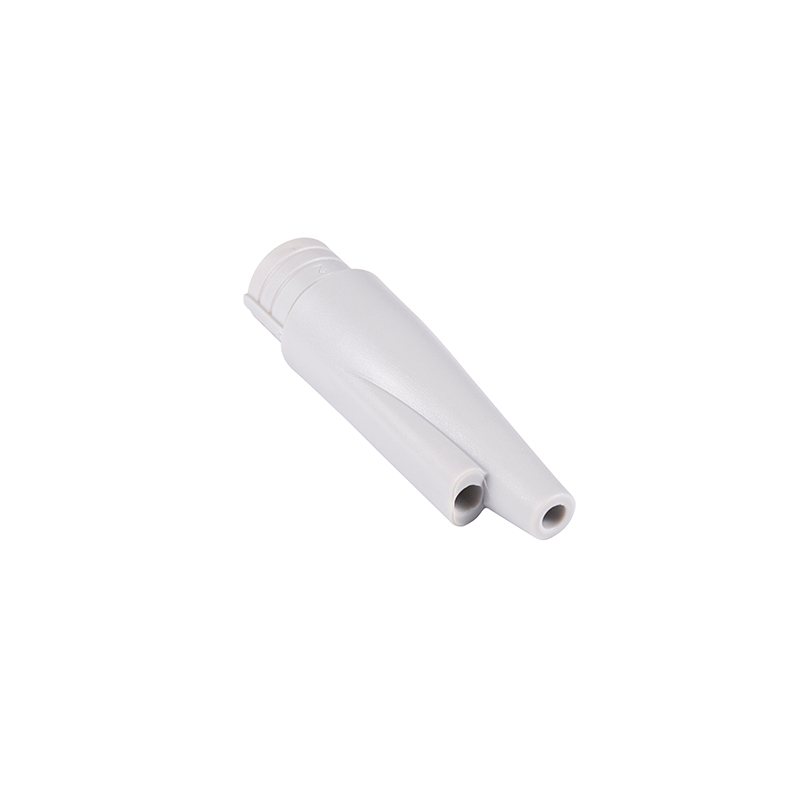
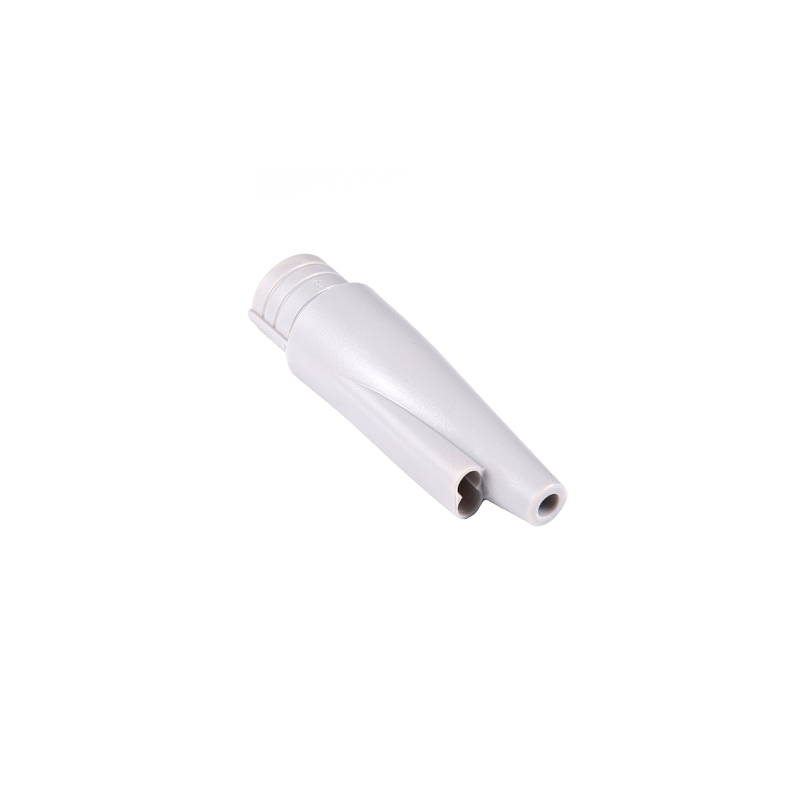
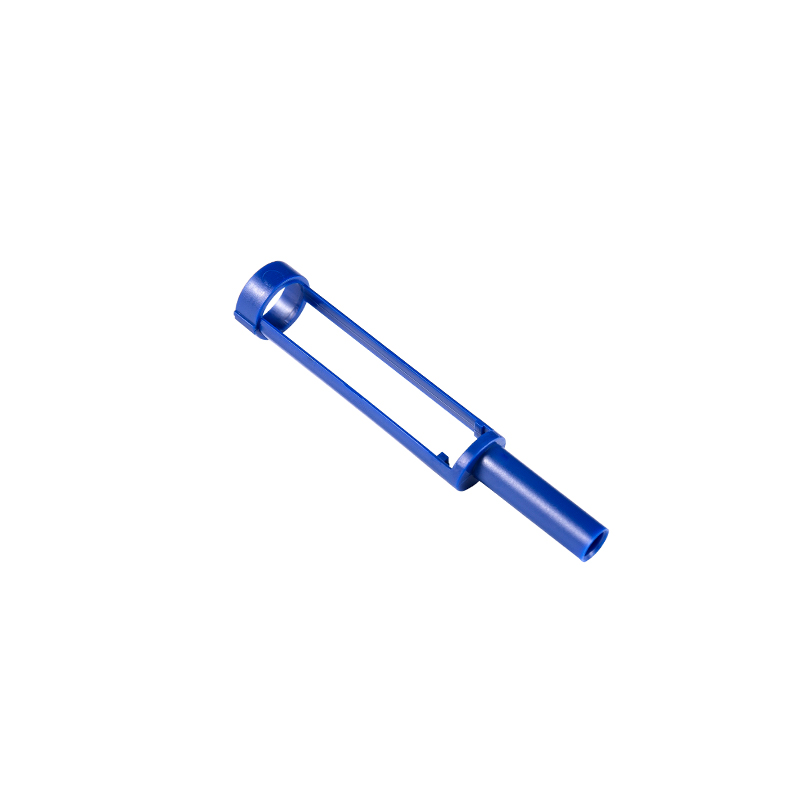
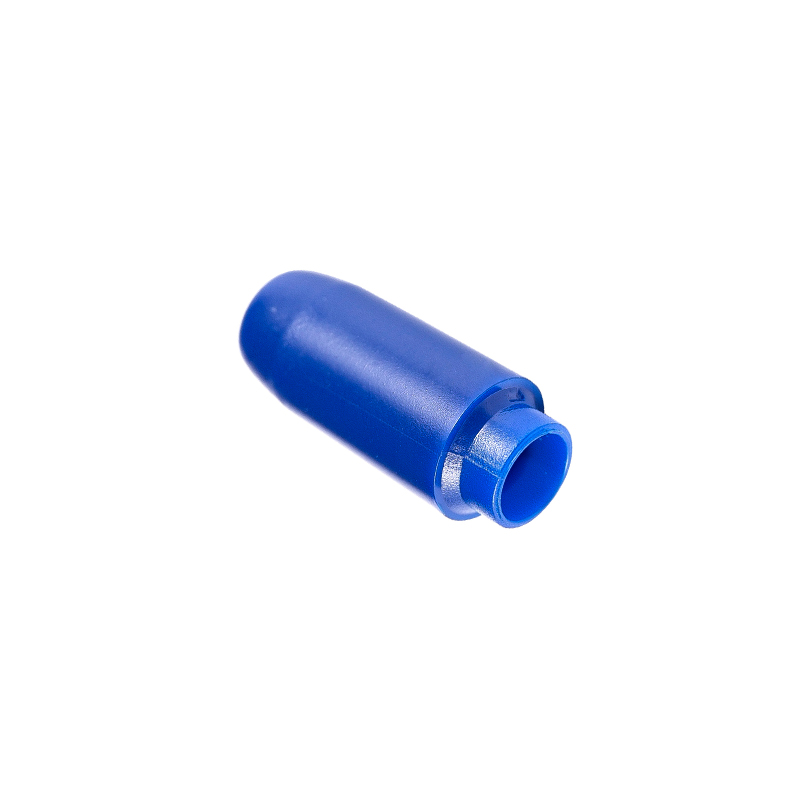
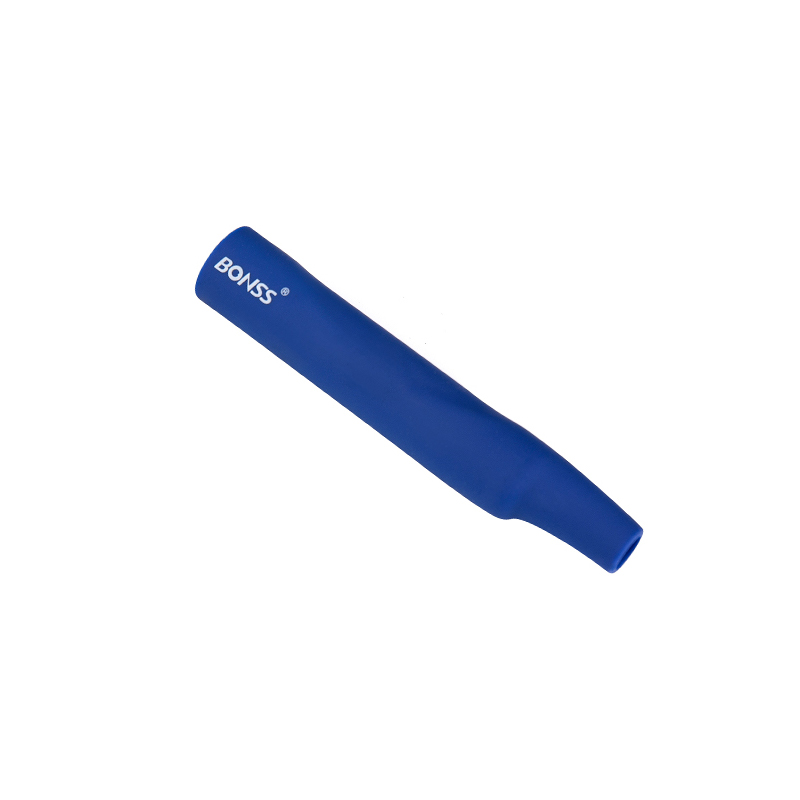 Minimally Invasive Scalpel ABS Handle Injection Molded ShellMaterial: ABS 101.55*18*18mmView Product →
The pen is a small gearbox. Drum gears, push rods, rotating barrels, dose adjustment buttons and transparent refill holders all have to work together through hundreds of dosing cycles, which is why glass-fibre reinforcement and PTFE modification appear so often in this family.
Gastroscope connectors, lenses, rotating discs and laryngoscope elbows are molded in transparent PC. Here the enemy is not strength but haze, flow marks and internal stress, all of which become visible the moment light passes through the part.
We work under an ISO 9001 quality management system and apply the same habits to every medical order: first article inspection against the drawing, in-process dimensional checks at defined intervals, a final inspection report shipped with the batch, and a documented mold maintenance schedule so tool condition does not quietly become the variable.
Material certificates, resin lot numbers and process records are stored together with the parts, so when a customer's auditor asks which machine molded a specific carton, the answer is available rather than reconstructed. For a broader view of how these components fit into device manufacturing, our guide to medical injection molding accessories walks through the categories and the questions worth asking a supplier.
Injection molding medical plastics comes down to narrowing variables: one approved material, one proven mold, one documented process, one measurable result, repeated for every batch. That is the approach we have used since 2002, and it is why customers return with the next variant rather than the next problem.
If you have a drawing, a target material, or simply a device concept that needs a plastic component, send it over. We will tell you honestly what can be molded as drawn, what needs a design change, and what the tooling and first articles will look like.
Copyright © Suzhou Huanxin Precision Molding Co., Ltd. All Rights Reserved.