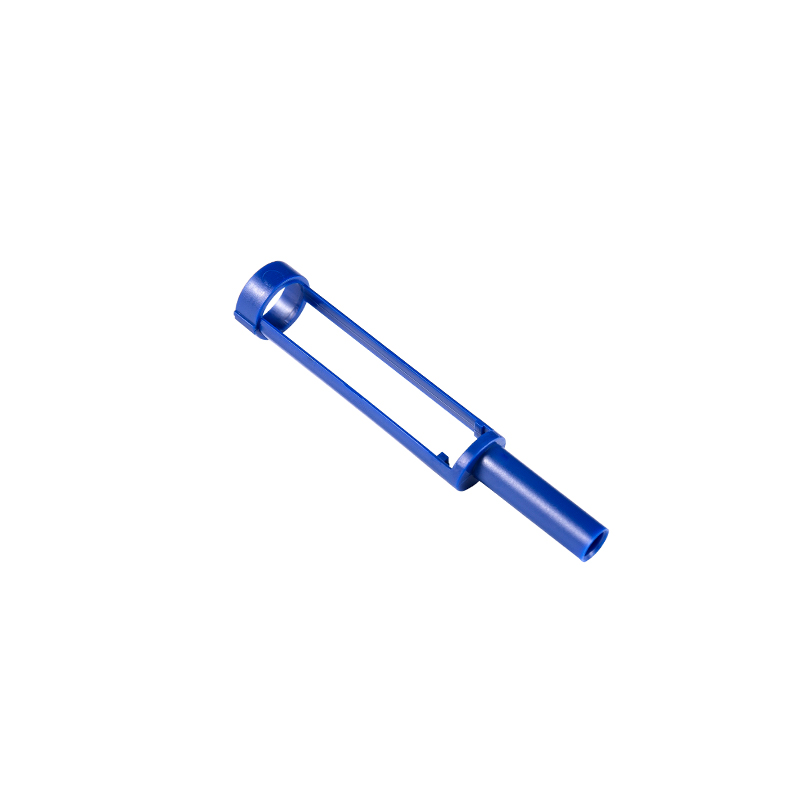
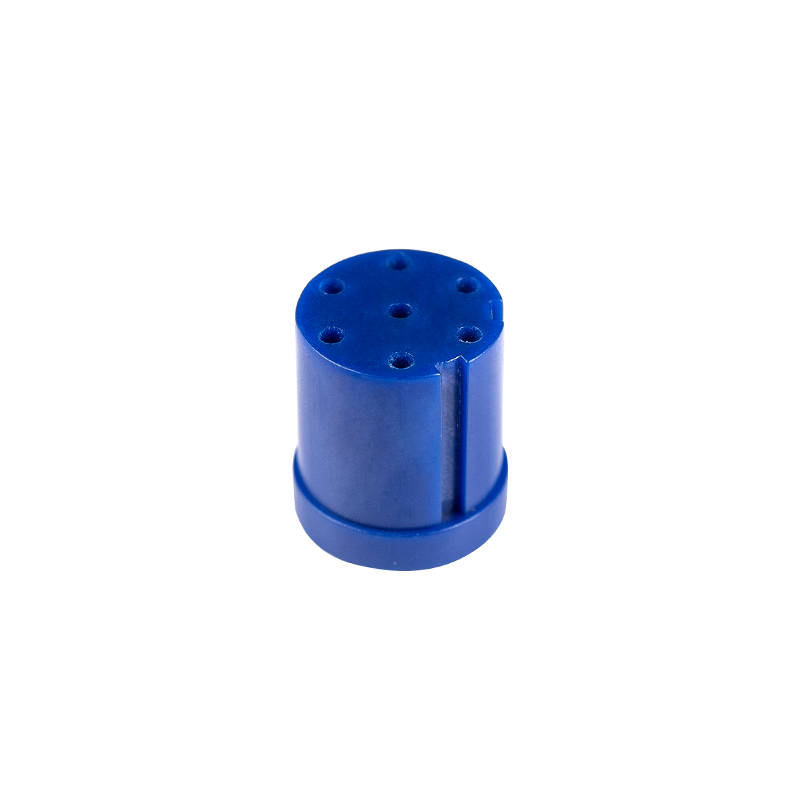
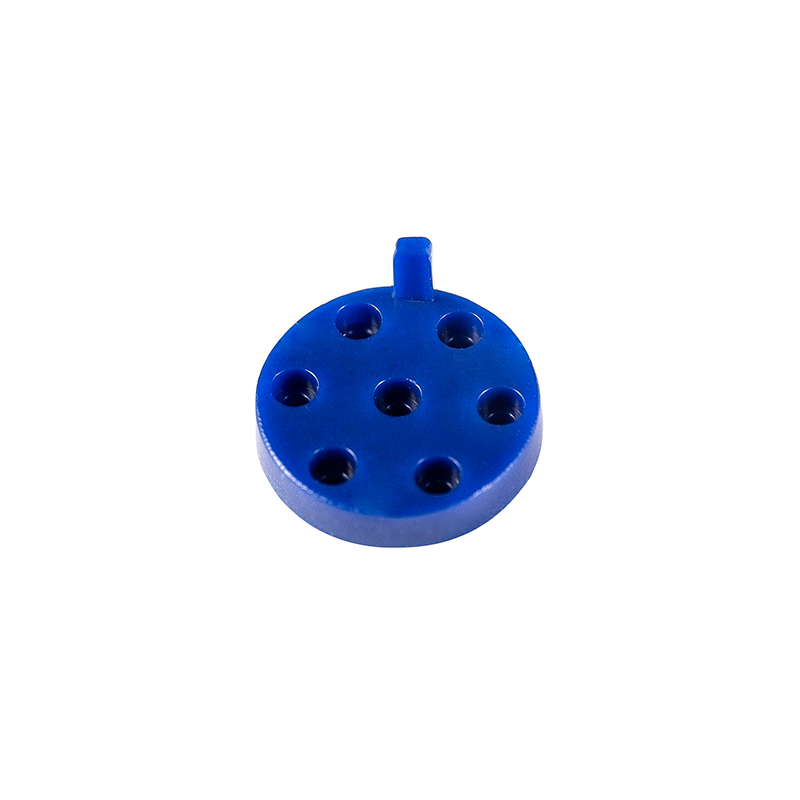
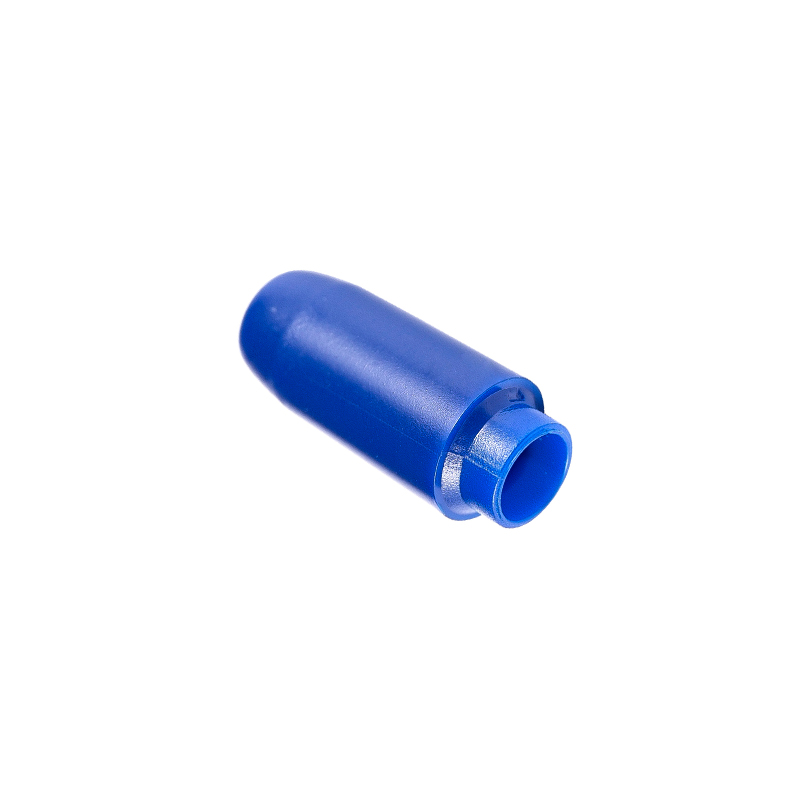
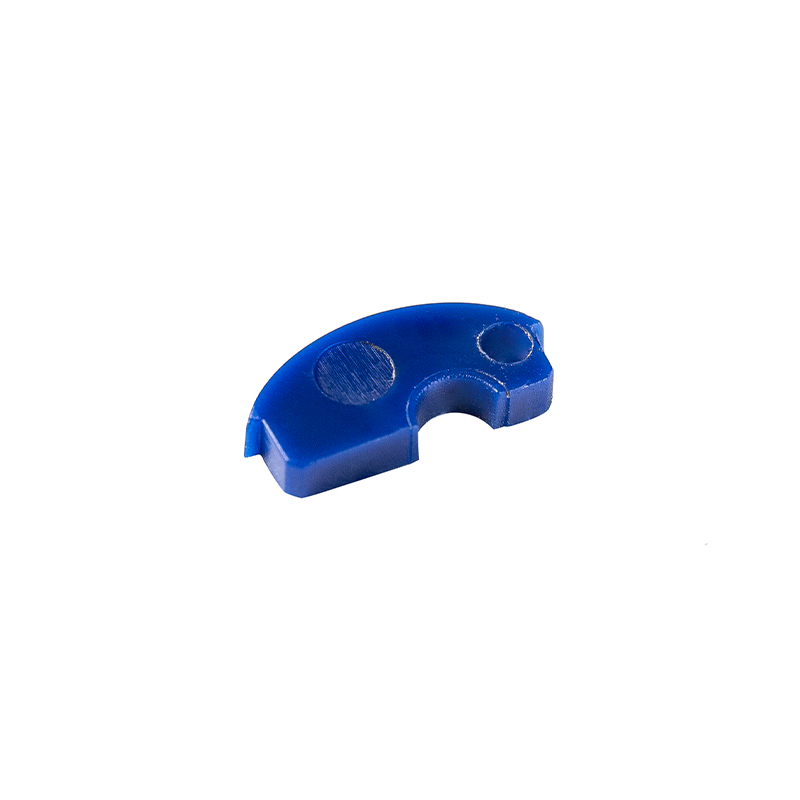
Medical injection molding accessories are the precision subsystems that transform a standard molding machine into a validated, cleanroom-compliant production cell for medical devices. The correct selection of hot runners, temperature controllers, cavity pressure sensors, and robotic sprue pickers directly controls part consistency, regulatory compliance, and process capability. A medical molder must prioritize accessories that maintain temperature uniformity within ±0.5°C, enable cavity-to-cavity replication with a Ppk value above 1.33, and withstand repeated sterilization without performance drift. Without the right accessories, even a high-end injection molding machine cannot reliably produce a Class I, II, or III medical device.
Content
The hot runner system is the most influential accessory in medical injection molding. It determines material shear history, gate vestige quality, and the ability to mold clean, sterile parts with no cold slug waste. A medical-grade hot runner must offer balanced melt channels, polished surfaces free of dead spots, and individual nozzle temperature control. In a typical 32-cavity syringe mold, the difference between a poorly balanced hot runner and an optimized one can reduce shot-to-shot weight variation from 1.5% to under 0.3%.
Valve gate systems are preferred when molding clean shut-offs and minimal gate vestige are required. Sequential valve gating can eliminate weld lines in a clear IV connector by filling the part from a single controlled melt front, improving both optical clarity and burst strength. However, valve pins and bushings must be made from high-wear steel with clearances tight enough to prevent material leakage into the cleanroom environment.
Medical polymers like PEEK, PEI, and liquid crystal polymer demand extremely narrow processing windows. Standard water-circulating temperature control units are insufficient. Accessories such as pressurized water units operating up to 180°C and 9 bar or oil units for temperatures above 300°C are essential. The performance difference is measurable: a high-pressure unit can maintain a mold surface temperature variation of not more than 1.0°C across all cavities, whereas an undersized unit may see 4-5°C swings, leading to out-of-spec part dimensions.
Cartridge heaters and hot runner controllers must offer self-tuning PID algorithms and real-time current monitoring to detect heater failure before it causes scrap. In a validated medical process, the controller must log temperature data and provide output for the process qualification dossier.
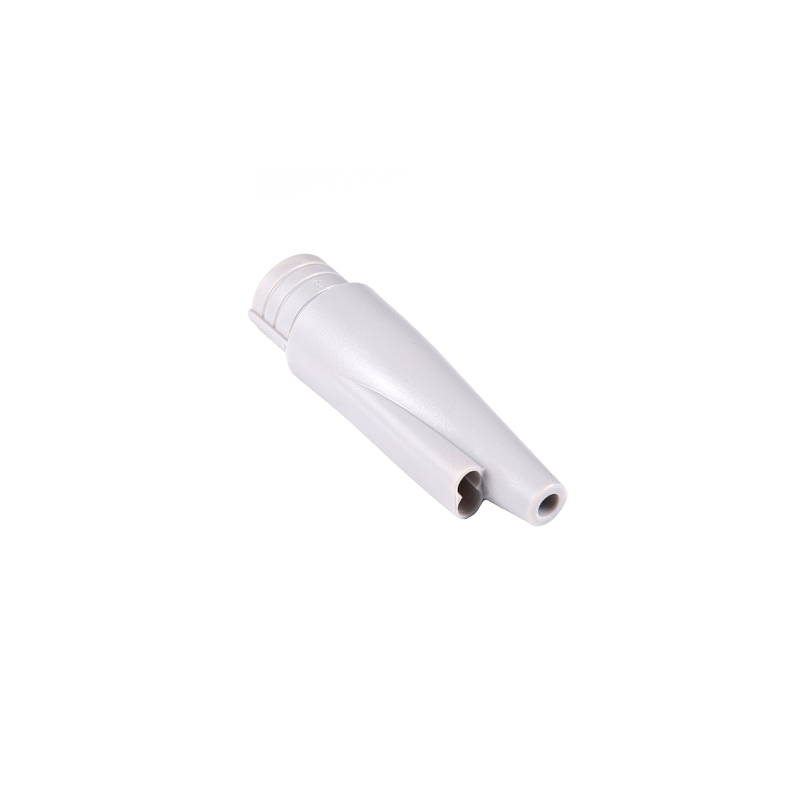
A medical part’s dimensional stability and mechanical properties are a function of the melt’s pressure history inside the cavity. Direct cavity pressure sensors, using piezoelectric or strain gauge technology, let the molder switch from injection to holding phase based on a hard physical threshold rather than time. This eliminates the effect of melt viscosity drift. The target is a consistent peak cavity pressure within 50 bar of the setpoint, a condition that can reduce dimensional Cpk variance by more than 30% compared to time-based transfer.
Temperature sensors embedded in the mold near the gate confirm that each shot enters at the same thermal condition. Combined, these sensor accessories provide the measurement backbone for 100% process monitoring, a requirement increasingly common for drug delivery systems and implantable device components.
Medical parts must be handled without contamination from human touch or airborne particles. Sprue pickers, six-axis articulated robots, and part removers designed for ISO Class 7 or better cleanrooms are mandatory. These accessories use stainless steel covers, sealed joints, low-particulate lubricants, and vacuum cup systems that leave no mark on the part. A specific example: a linear servo-driven sprue picker for a 128-cavity pipette tip mold reaches a take-out time of 0.6 seconds, keeping the overall cycle within 5 seconds while maintaining cleanroom air quality.
Conveying accessories must also meet cleanroom standards, using enclosed belt systems with anti-static features and collection bins made from FDA-approved materials. Vision inspection accessories integrated with the handling robot can perform 100% in-line gaging and surface defect recognition, automatically rejecting parts that fail visual or dimensional criteria.
Medical-grade polymers are often hygroscopic. A central drying system delivering -40°C dew point air is considered a baseline accessory. For materials like nylon 12 or polycarbonate used in surgical instruments, dehumidifying hopper dryers with closed-loop regeneration and real-time moisture measurement are required. The target moisture content before molding may be as low as 0.02% by weight, and the drying accessory must achieve and maintain this level over multiple shifts without the pellet temperature exceeding the material’s glass transition point.
Clean material conveying lines, equipped with metal-separating magnets and glass-free sight glasses, prevent particulate introduction. The entire material handling chain from the receiving drum to the feed throat is considered an accessory system that directly affects biocompatibility and patient safety.
Magnetic clamping systems and hydraulic mold clamps classified as accessories can reduce mold changeover time on a medical molding line from hours to under 10 minutes. A magnetic clamping plate with a holding force of 2000 kN eliminates the risk of uneven die clamping and the associated flash formation. Mold guides and roller tables integrated with the clamping unit allow smooth transition without cranes, preserving the cleanroom’s positive pressure environment.
In multi-cavity molds for drug bottles, mold interlocks and guided ejection accessories ensure that all slides and lifters move in exact synchronization, reducing core pin deflection to less than 0.02 mm. Such precision prevents undercuts from damaging the part and eliminates the need for secondary trimming.
Medical injection molding accessories must be part of the validated state. The table below outlines key accessories and the validation evidence they support.
| Accessory Category | Critical Control Parameter | Validation Requirement |
|---|---|---|
| Hot runner manifold and nozzles | Melt temperature uniformity | Thermal mapping during IQ/OQ; part weight Cpk > 1.33 |
| Cavity pressure sensor | Transfer pressure threshold | Sensor calibration records; pressure curve overlays during PQ |
| Cleanroom sprue picker | Particle emission count | Airborne particulate measurement per ISO 14644 during operation |
| Material dryer | Dew point and outlet moisture | Continuous dew point log; resin moisture test prior to each run |
All accessories that contact the process material or influence cycle integrity must have maintenance logs, calibration certificates, and replacement schedules documented in the device master record. A temperature control unit that fails to hold setpoint during production can initiate a full deviation investigation.
The selection of medical injection molding accessories must be driven by the device’s risk classification and the projected volume. For a high-volume, low-tolerance part like an insulin pen body, a full suite of cavity pressure sensors and a precise valve gate hot runner is justified. For a low-volume, rigid sterilization tray, a simpler hot runner with manual sprue removal may be acceptable, but the temperature controller must still be medical-grade.
The total cost of ownership calculation must include accessory-related downtime, validation rework, and scrap. A hot runner controller that costs 20% more upfront but reduces start-up scrap by 8% over three years often pays for itself within nine months. Medical molders who treat accessories as an integrated, validated system rather than simple add-ons are consistently the ones who pass FDA and MDR audits without findings.
Copyright © Suzhou Huanxin Precision Molding Co., Ltd. All Rights Reserved.




 English
 中文简体
中文简体