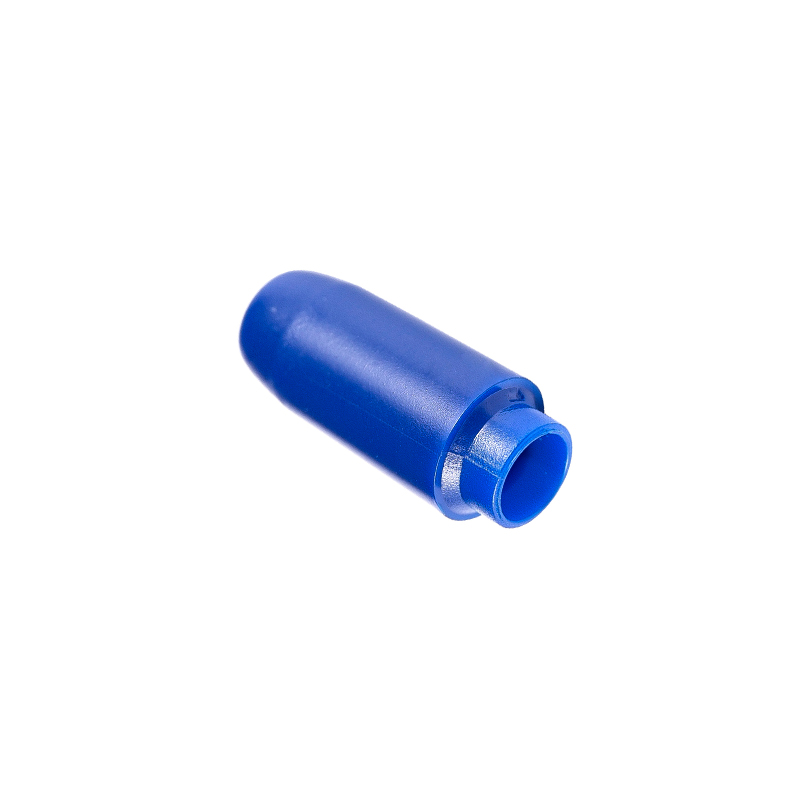
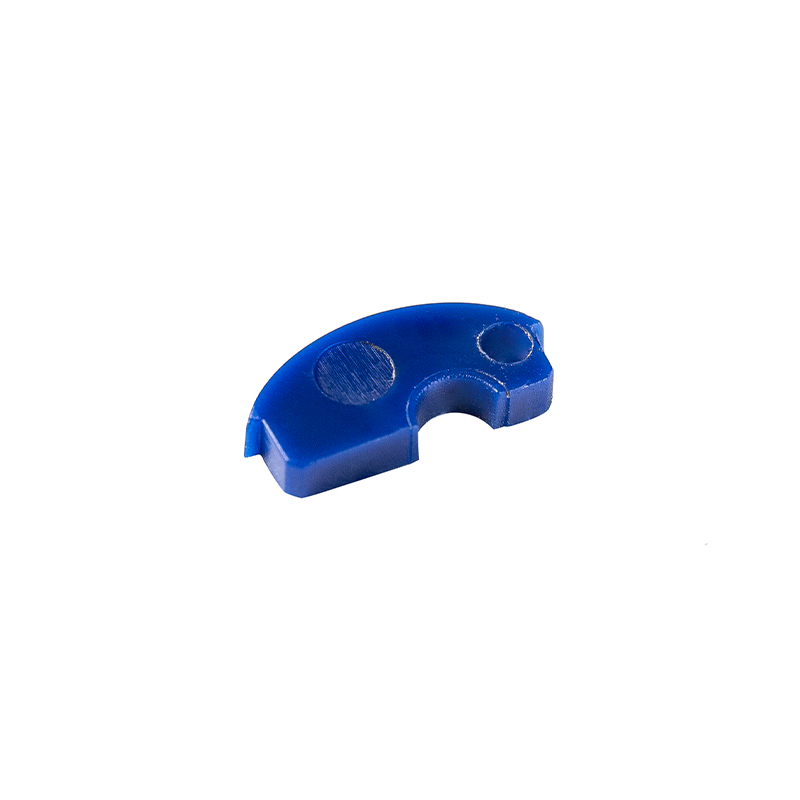
In the modern manufacturing industry, Precision Injection Mold plays a pivotal role as the core equipment for producing high-precision plastic components. With the continuous development of high-end manufacturing fields such as automotive, electronics, medical devices and 5G communication, the demand for Precision Injection Mold is growing rapidly, and its technical requirements are becoming increasingly strict. Unlike ordinary injection molds, Precision Injection Mold is designed and manufactured to achieve extremely tight dimensional tolerances, usually within ±0.01 to ±0.05 mm, ensuring the consistency and accuracy of plastic parts in mass production. This article will deeply explore the latest trends, core manufacturing processes, key application fields, common materials and frequently asked questions of Precision Injection Mold in 2026, providing professional reference for manufacturers, procurement personnel and industry practitioners.
2026 Key Trends of Precision Injection Mold Industry
The Precision Injection Mold industry is facing profound changes driven by policy guidance, technological innovation and market demand. In 2026, several key trends are reshaping the development pattern of the industry, bringing new opportunities and challenges to manufacturers.
Shift to Domestic and Agile Supply Chains
In recent years, the fragility of long global supply chains has been exposed, prompting OEMs to shift from cost-driven sourcing models to domestic and agile manufacturing partnerships. For regulated industries such as medical and electronics, domestic Precision Injection Mold manufacturers can provide faster iteration during development and validation, clearer communication without time-zone delays, and more predictable lead times for changes and maintenance, which has become the new baseline for high-spec projects. In 2026, reshoring is expected to become the default strategy for enterprises that value supply chain stability.
Advancement of Scientific Molding and Process Control
As product geometries become more complex and tolerance requirements become tighter, traditional process control methods can no longer meet the demand. The application of scientific molding and real-time process monitoring has become a key trend in the Precision Injection Mold industry in 2026. By using data to monitor and control the behavior of materials during filling, packing and cooling, manufacturers can improve cavity balance in multi-cavity molds, reduce part-to-part variation in long-term production, and detect process drift in advance to avoid defects, thereby ensuring the stability and reliability of product quality.
Integration of Intelligence and Digitization
The integration of AI algorithms, the Internet of Things and big data technology with Precision Injection Mold manufacturing is accelerating. Intelligent molds can dynamically perceive key parameters such as temperature, pressure and displacement during the molding process, and automatically adjust process parameters through data analysis and algorithm optimization, greatly improving production efficiency and product qualification rate. It is estimated that in 2026, the penetration rate of intelligent Precision Injection Molds in the automotive and electronic fields will reach 35%, an increase of 10 percentage points compared with 2025.
Green and Low-Carbon Development
Driven by the "dual carbon" goal, green development has become an important direction for the Precision Injection Mold industry. Manufacturers are actively adopting lightweight mold designs, energy-saving heating systems and environmentally friendly materials to reduce energy consumption and environmental impact during the mold manufacturing and use process. At the same time, the mold recycling and reuse system is gradually improving, further improving the resource utilization efficiency of the industry.
Core Manufacturing Process of Precision Injection Mold
The manufacturing of Precision Injection Mold is a complex systematic project that requires strict control of each link to ensure the final precision and performance. The core process mainly includes four stages: mold design, precision machining, grinding and polishing, and clean room assembly.
Mold Design: Foundation of Precision
Mold design is the first step and core link of Precision Injection Mold manufacturing. Engineers need to tailor the design according to the customer's product geometry, material, strength, functionality and dimensional precision requirements. Key design contents include the selection of tool steel, the design of cooling channels, the layout of cavities, and the design of ejection and sliding systems. A reasonable design can optimize the process parameters, lay the foundation for subsequent machining and injection molding production, and ensure the precision and service life of the mold.
Precision Machining: Guarantee of Micron-Level Precision
After rough cutting the hardened tool steel block to size, precision machining is carried out to form the mold cavity and core. Advanced 5-axis CNC machining equipment is usually used for multi-angle and simultaneous cutting, which can achieve micron-level machining precision. The machining process is divided into three stages: roughing, semi-finishing and finishing. Roughing is used to quickly remove materials to establish the basic mold geometry; semi-finishing is used to improve dimensional tolerance and surface finish; finishing is used to process fine details such as textures and radii. In-process inspection is required after semi-finishing to ensure that the parts meet the geometric tolerance requirements.
Grinding and Polishing: Improvement of Surface Quality
The cavity and core of the Precision Injection Mold need to go through grinding and polishing processes to achieve a mirror-like surface finish, which is essential for the cosmetic quality of plastic parts. The combination of multi-stage robotic grinding and manual polishing can eliminate microscopic defects on the mold surface, ensuring that the plastic parts produced have a smooth and shiny surface. Before mold assembly, the quality of the reflective surface needs to be inspected to ensure the surface quality of the final product.
Clean Room Assembly: Control of Contamination
The assembled components of the Precision Injection Mold are assembled in a certified Class 10,000 clean room. Assemblers wear protective equipment to work in a positive pressure filtered environment, which can eliminate contamination from dust, oil or foreign objects that may damage the surface of plastic parts and prevent debris from affecting the operation of the mold's sliding system. Each assembly link needs to be strictly inspected to ensure the assembly precision and performance of the mold.
Common Materials for Precision Injection Mold and Their Comparison
The selection of mold materials directly affects the precision, service life and production cost of Precision Injection Mold. Different materials have different properties and application scopes. The following table lists the common materials for Precision Injection Mold, their properties, advantages, disadvantages and typical applications:
Material Name
Abbreviation
Characteristics
Advantages
Disadvantages
Typical Applications
Acrylonitrile-Butadiene-Styrene
ABS
High strength, impact resistance, chemical resistance, easy processing
Good surface finish, electroplatable, easy to color
High mechanical strength, oil resistant, heat resistant up to 150℃
Dimensional changes when absorbing water
Gears, bearings, automotive parts
Polyoxymethylene
POM
High rigidity, low friction coefficient, fatigue resistant
Excellent wear resistance, dimensional stability
Poor acid resistance, flammable
Precision parts, clock gears, zippers
Key Application Fields of Precision Injection Mold
Precision Injection Mold is widely used in various high-end manufacturing fields due to its high precision, high efficiency and high consistency. With the upgrading of downstream industries, its application scope is constantly expanding.
Automotive Industry
With the rapid development of the new energy vehicle industry, the demand for Precision Injection Mold in the automotive field is growing. It is mainly used to produce high-precision components such as automotive electronic components, interior and exterior trim parts, and battery components. The lightweight trend of new energy vehicles has promoted the application of high-performance engineering plastics, and the value of Precision Injection Mold per vehicle has increased from 2000 yuan for traditional fuel vehicles to more than 5000 yuan. In 2026, the market scale of Precision Injection Mold related to new energy vehicles is expected to reach 612 billion yuan, accounting for 21.3% of the overall market.
Electronic and 5G Communication Industry
The popularization of 5G communication equipment and the upgrading of consumer electronics have put forward higher requirements for the precision of plastic components. Precision Injection Mold is widely used in the production of mobile phone shells, connectors, camera modules, 5G base station components and other products. These products have small sizes, complex structures and strict tolerance requirements, which can only be met by Precision Injection Mold. In 2026, the market scale of Precision Injection Mold for 5G communication equipment is expected to reach 18.7 billion yuan, with a year-on-year growth of 25%.
Medical Device Industry
The medical device industry has extremely strict requirements on product precision and hygiene. Precision Injection Mold is used to produce medical components such as syringes, medical catheters, and medical instrument housings. These components need to meet biocompatibility requirements and have extremely high dimensional accuracy to ensure the safety and effectiveness of medical use. With the upgrading of the medical and health industry, the demand for Precision Injection Mold in the medical field is continuing to grow, and the market scale is expected to reach 18 billion yuan in 2026.
Optical Industry
In the optical industry, Precision Injection Mold is used to produce optical components such as lenses, prisms, and optical fibers. These components require extremely high surface finish and dimensional accuracy to ensure optical performance. The application of Precision Injection Mold has greatly improved the production efficiency of optical components and reduced production costs, promoting the development of the optical industry.
FAQ About Precision Injection Mold
Q1: What is the difference between Precision Injection Mold and ordinary injection mold?
The main difference lies in the dimensional tolerance. Precision Injection Mold can achieve a tolerance of ±0.01 to ±0.05 mm, while ordinary injection mold usually has a tolerance of ±0.1 to ±0.5 mm. In addition, Precision Injection Mold requires specialized high-precision machines, advanced mold steels and stricter process controls, while ordinary injection mold uses standard tooling and ordinary plastics, which is more cost-effective for non-critical parts.
Q2: What factors affect the precision of Precision Injection Mold?
The key factors affecting the precision of Precision Injection Mold include mold design, material selection, machining precision, assembly precision and process control. Reasonable mold design lays the foundation for precision; high-quality mold materials ensure the stability of mold size; high-precision machining and assembly ensure the dimensional accuracy of the mold; strict process control ensures the consistency of the molding process and avoids defects.
Q3: How to choose the right material for Precision Injection Mold?
The selection of mold materials should be based on the product's use environment, performance requirements, production batch and cost budget. For products with high strength and wear resistance requirements, materials such as PA and POM can be selected; for products with high transparency requirements, PC and PMMA are preferred; for food-grade and medical products, PP and PET that meet relevant standards should be selected. At the same time, the cost and processing difficulty of materials should also be considered comprehensively.
Q4: What is the service life of Precision Injection Mold?
The service life of Precision Injection Mold is affected by factors such as mold material, heat treatment process, use frequency and maintenance level. Generally speaking, the service life of Precision Injection Mold made of high-quality alloy steel can reach 1 million to 5 million shots. With regular maintenance and proper use, the service life can be further extended. For molds used in high-volume production, regular inspection and maintenance are particularly important to ensure stable performance.
Q5: What are the main development directions of Precision Injection Mold in the future?
In the future, Precision Injection Mold will develop in the directions of higher precision, intelligence, greenization and integration. The precision will be further improved to the nanometer level to meet the needs of more high-end products; the integration of intelligent technology will realize automatic adjustment and monitoring of the molding process; green materials and energy-saving processes will be widely used to reduce environmental impact; the integration of design, manufacturing and application will further improve production efficiency and reduce costs.
References
1. Bryce, 1996, Injection Molding as the Fundamental Manufacturing Process for Thermoplastic Components


 English
 中文简体
中文简体