Content
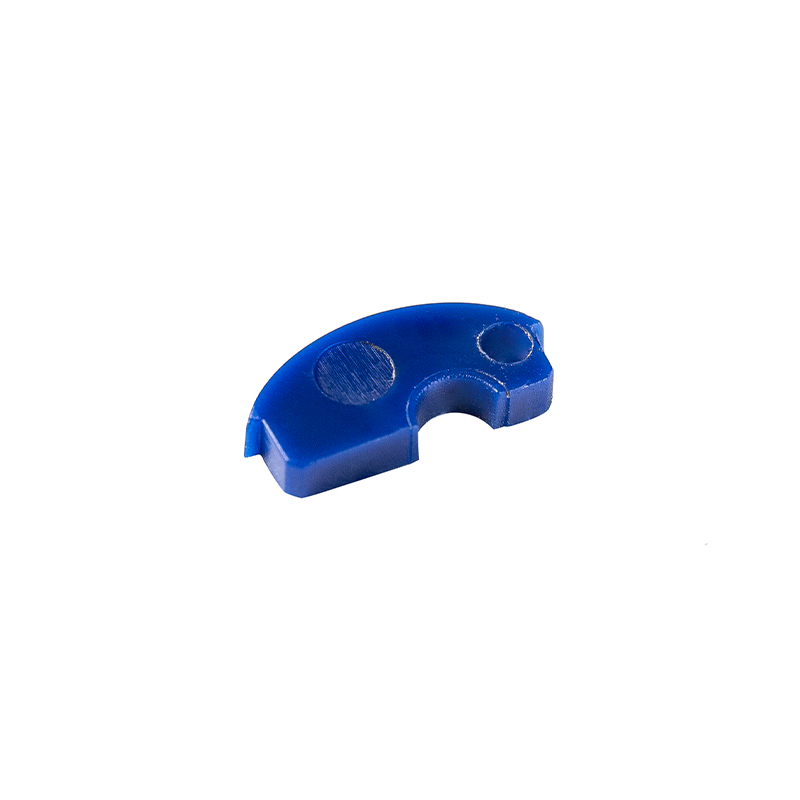
Insert molding and overmolding are both two-material plastic manufacturing techniques, but they solve fundamentally different engineering problems. Insert molding embeds a pre-formed component—most commonly a metal insert—into plastic during the injection process. Overmolding bonds a second layer of plastic (or rubber) over an existing plastic substrate in a separate molding step. Choosing between them isn't about preference; it's about what your part needs to do.
In insert molding, a pre-fabricated insert—threaded brass bushing, steel pin, or electrical contact—is placed into the mold cavity before injection. Molten plastic then flows around it, encapsulating the insert as it cools. The result is a single, unified component with no secondary assembly step. Typical cycle times run 15–45 seconds, depending on part geometry and material selection.
Overmolding works in two shots. The first shot creates the rigid substrate—usually a structural plastic like PC or ABS. The substrate is then placed into a second mold (or the same mold rotates on a rotary platen), and a second material—often TPE, TPU, or silicone—is injected over specific zones. Adhesion between layers relies on chemical compatibility and mechanical interlocking; no adhesive is required when materials are matched correctly.
| Factor | Insert Molding | Overmolding |
|---|---|---|
| Primary purpose | Embed metal/foreign component into plastic | Add grip, soft-touch, or sealing layer to plastic substrate |
| Number of molds | One mold + pre-made insert | Two molds (or 1 rotary mold) |
| Insert/substrate material | Metal, ceramic, electronics | Rigid plastic (ABS, PC, PA) |
| Outer material | Engineering plastics (PA, POM, PC) | Soft elastomers (TPE, TPU, silicone) |
| Tooling cost | Lower (single cavity tool) | Higher (two tools or complex rotary) |
| Typical industries | Electronics, automotive, medical | Consumer goods, tools, wearables |
Insert molding excels when a part must carry mechanical load or conduct electricity. A brass threaded insert molded into nylon, for example, provides pull-out strength several times greater than a plastic thread alone—typically withstanding 500–2,000 N of axial load depending on insert design and engagement length. This is why it's standard in PCB standoffs, connector housings, and surgical instrument handles.
Overmolding is primarily about surface performance. The soft overmold layer absorbs vibration, improves grip torque in wet or oily conditions, creates hermetic seals around openings, and gives products a premium tactile feel. Ergonomic tool handles, waterproof enclosures, and toothbrush grips are textbook applications. The substrate provides rigidity; the overmold delivers the user experience.
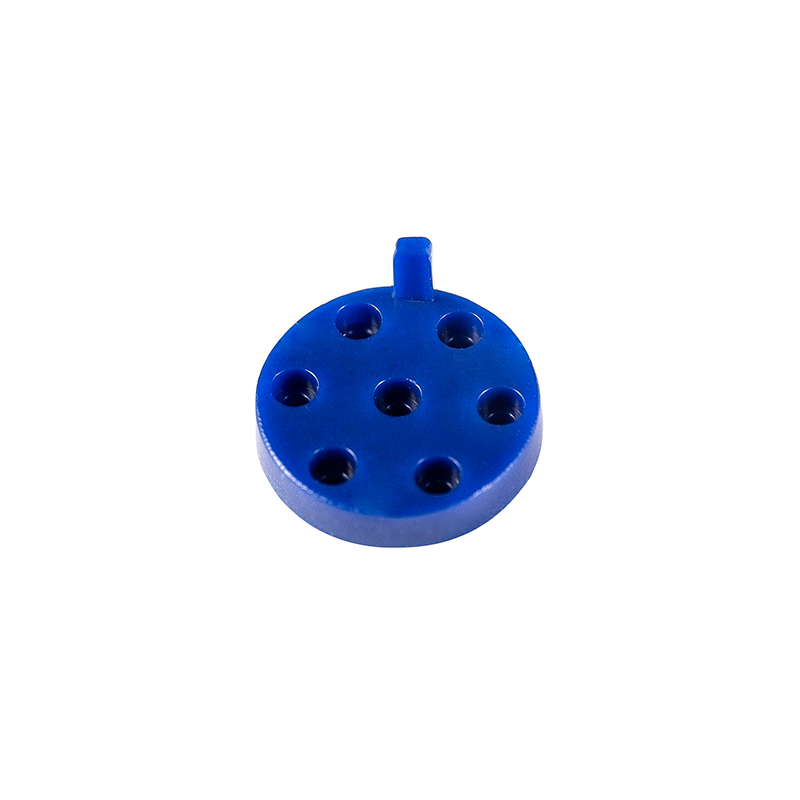
Insert molding introduces position and orientation challenges. Inserts must be held precisely—usually by core pins or magnets—to avoid shifting during injection. Wall thickness around the insert should be at least 1.5× the insert's outer diameter to prevent cracking from residual stress. Automation via vibratory bowl feeders is common above 50,000 annual units; below that, manual loading is often more cost-effective.
Overmolding demands careful material pairing. Not all plastics bond well with all elastomers. ABS bonds reliably with many TPEs; PP is notoriously difficult and often requires a textured surface or mechanical undercuts to achieve adequate adhesion. Wall thickness for overmold layers typically falls between 1.5–3 mm—too thin and the layer tears; too thick and sink marks or incomplete fill appear. Draft angles on both substrate and overmold must be coordinated to allow clean ejection from both molds.
For insert molding, tooling costs are comparable to standard injection molding—$3,000–$25,000 for a single-cavity tool in P20 steel—with the added cost of sourcing or manufacturing the inserts themselves. Lead time to first article typically runs 4–8 weeks.
Overmolding requires two sets of tooling, pushing total mold investment to $15,000–$60,000+ for a matched substrate-and-overmold tool set. Two-shot machines with rotary platens also carry a higher machine rate. However, the process eliminates assembly labor entirely, which matters at volumes above 100,000 parts per year where manual bonding or press-fitting would otherwise add significant cost. Lead time from design freeze to production samples is typically 6–12 weeks.
Copyright © Suzhou Huanxin Precision Molding Co., Ltd. All Rights Reserved.




 English
 中文简体
中文简体