
 English
 中文简体
中文简体 Home / News / Industry News / Plastic Injection Molding Process Explained: Stages, Materials & Quality
Every precision component begins with a decision about how it will be made, and for small to medium plastic parts, the plastic injection molding process is usually the strongest candidate. At Suzhou Huanxin Precision Molding, we have run that process every working day since 2002, molding everything from 1.5 g fixing rings for water quality testers to 108 g printer internals. Over two decades, we have learned that injection molding looks simple from the outside and rewards careful engineering underneath. In this guide, we explain how the process works step by step, share the material and design lessons we pass on to our customers, and show why the details matter so much.
Content
Plastic injection molding is a manufacturing process in which thermoplastic resin is melted, injected under high pressure into a steel mold, cooled until it solidifies, and ejected as a finished part. The mold, often called the tool, contains a cavity and a core that together form the negative shape of the component. Once the tool exists, every cycle produces a nearly identical part, which is why the process dominates mass production of plastic components.
What makes the process so attractive is the combination of speed, repeatability, and geometric freedom. Ribbed structures, snap features, transparent optical surfaces, and overmolded inserts can all be produced in a single step. For B2B buyers, the economics are equally compelling: unit cost drops sharply once tooling is amortized, making injection molding ideal for production volumes ranging from thousands to millions of pieces.
On our shop floor, we describe every molding cycle in six stages:
Depending on part size, wall thickness, and material, a full cycle can last anywhere from a few seconds to a couple of minutes. Holding that cycle steady, shot after shot, is where real molding discipline shows.
Pellets feed from the hopper into a heated barrel, where a rotating screw conveys, melts, and homogenizes the resin through a combination of barrel heat and mechanical shear. The screw then acts as a plunger, injecting a precisely metered shot into the closed mold.
Whether toggle-driven or hydraulic, the clamping unit holds the mold shut against melt pressure and controls opening and closing. Choosing the right tonnage matters: too little force causes flash, while excessive force wastes energy and stresses the tool.
The tool is where part quality is truly decided. Cavity and core steel define the geometry, gates control how melt enters, cooling channels govern cycle time and warpage, and the ejection system releases the part without damage. Decisions made during plastic injection mold design, from runner layout to draft angles, echo through the entire life of the project, which is why we treat toolmaking as an engineering discipline rather than a machining task.
Material selection is one of the first conversations we have with customers, because the resin determines strength, temperature resistance, chemical stability, appearance, and cost. The table below summarizes the resins we process most often and where they excel.
| Material | Key Strengths | Typical Parts We Mold |
|---|---|---|
| ABS | Impact resistance, easy finishing | Scalpel handles, device housings |
| PA66-GF30 | High stiffness and wear resistance | Push rods, drum gears |
| PC | Transparency and toughness | Gastroscope connectors, lenses |
| POM | Low friction, dimensional stability | Machinery gears, release buttons |
| PBT | Chemical and heat resistance | Push rod drivers |
| PP | Chemical resistance, low weight | Brackets and supports |
For parts that must survive repeated mechanical loads, glass fiber reinforcement is often the answer. A glass-filled grade such as PA66-GF30 blended with PTFE improves both stiffness and wear behavior, which is why it is our material of choice for demanding transmission components.
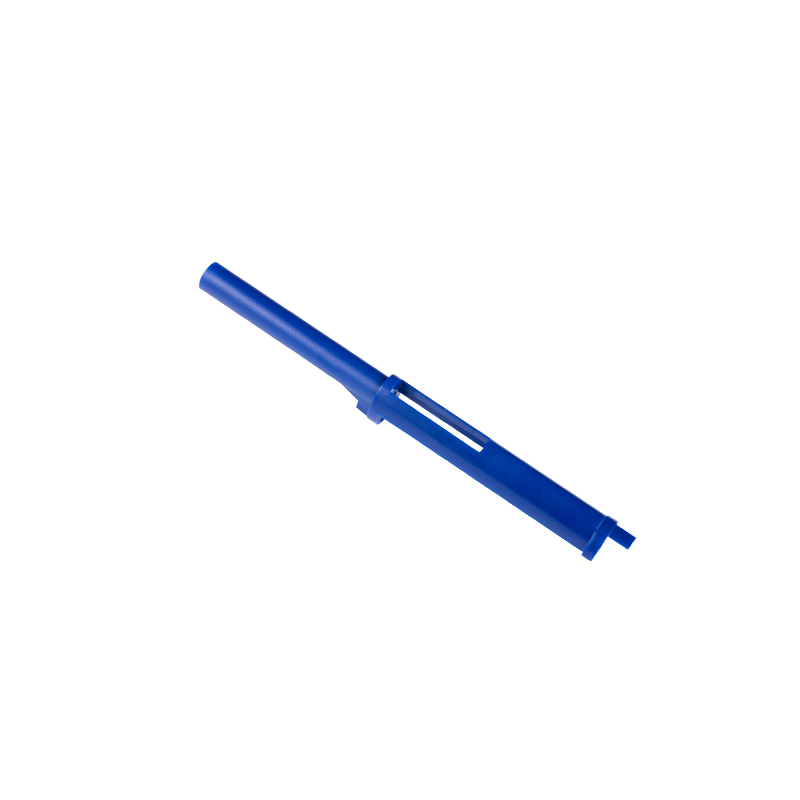
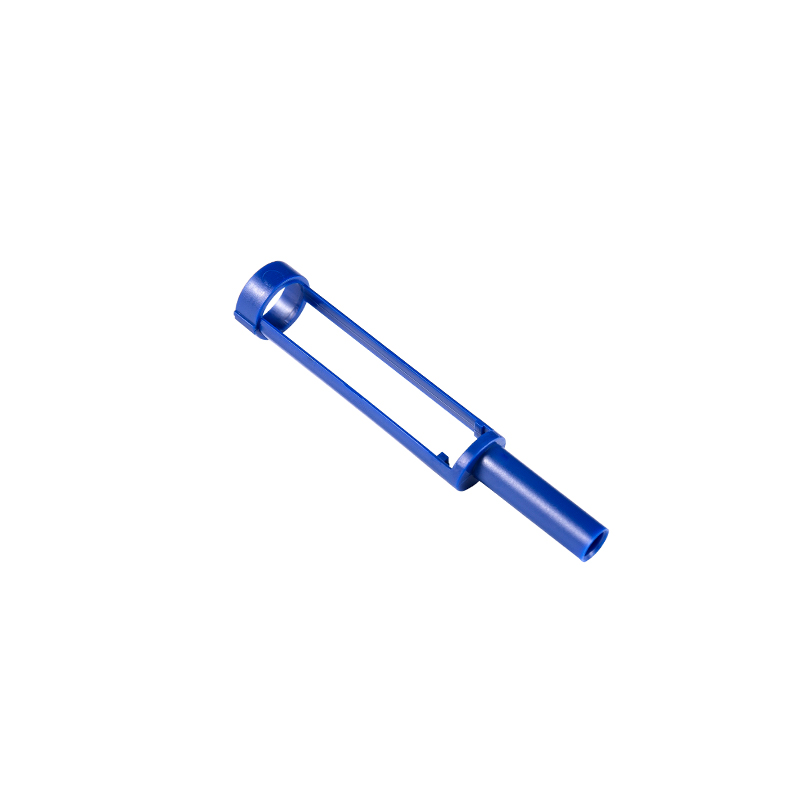
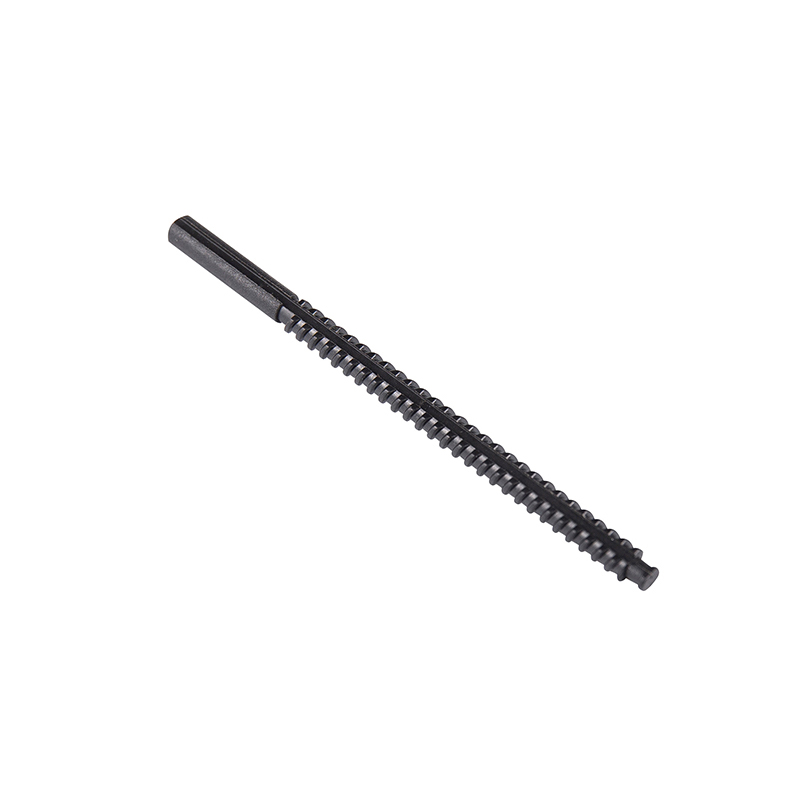 PA66-GF30 with 15% PTFE Injection Pen Push RodA glass-fiber reinforced PA66 push rod modified with 15% PTFE for low friction and wear resistance. It illustrates how reinforced, self-lubricating materials deliver stiffness and durability in demanding transmission components like injection pen mechanisms.View Product →
A capable molding partner will review a part drawing long before steel is cut. Some of the practices we emphasize in every design-for-molding review:
That last point deserves special attention. Every resin shrinks as it cools, and at a different rate, so predicting that behavior separates a smooth launch from a dimensional surprise. Our guide to injection molding shrinkage calculation for ABS, PP, and nylon explains how we set shrinkage factors during mold design.
Even a well-designed part can show defects if process conditions drift. The issues we encounter most often include:
Most defects trace back to three variables: process parameters, mold design, or material moisture. Hygroscopic resins such as PA66 and PC must be dried thoroughly before molding, and a disciplined setup keeps the process stable around the center of its window rather than at its edges.
The same fundamentals serve very different end markets, and our own portfolio reflects that range. In medical devices, precision and material purity are non-negotiable. Transparent PC components for endoscopic equipment, for example, demand both optical clarity and tight dimensional control, as our gastroscope connectors show.
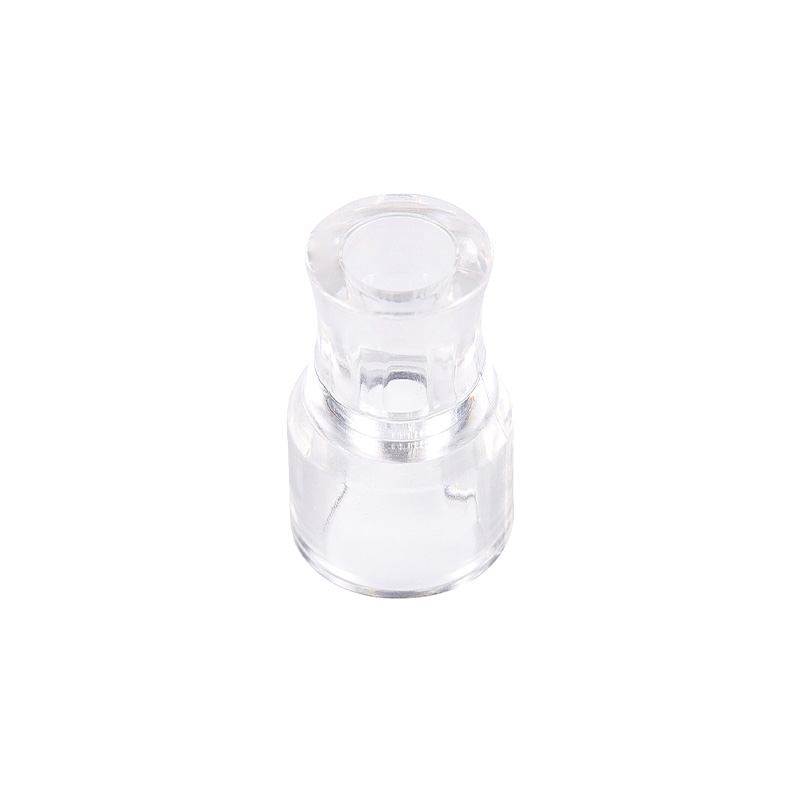 Transparent PC Injection Connector for Medical GastroscopeInjection molded from medical-grade polycarbonate, this gastroscope connector combines optical clarity with tight dimensional tolerances. It shows why transparent PC parts suit precision medical devices requiring clarity, impact resistance, and hygienic, easy-clean surfaces.View Product →
In automotive applications, components such as dimming motor housings and electric strut bushings must hold tolerance under vibration and temperature swings. Electrical products depend on stable internal structures, while food machinery and water quality instruments need materials that resist moisture, fatigue, and cleaning chemicals. Gears are a classic case: the low friction and dimensional stability of POM make it the natural choice for a food machinery transmission gear that runs all day long.
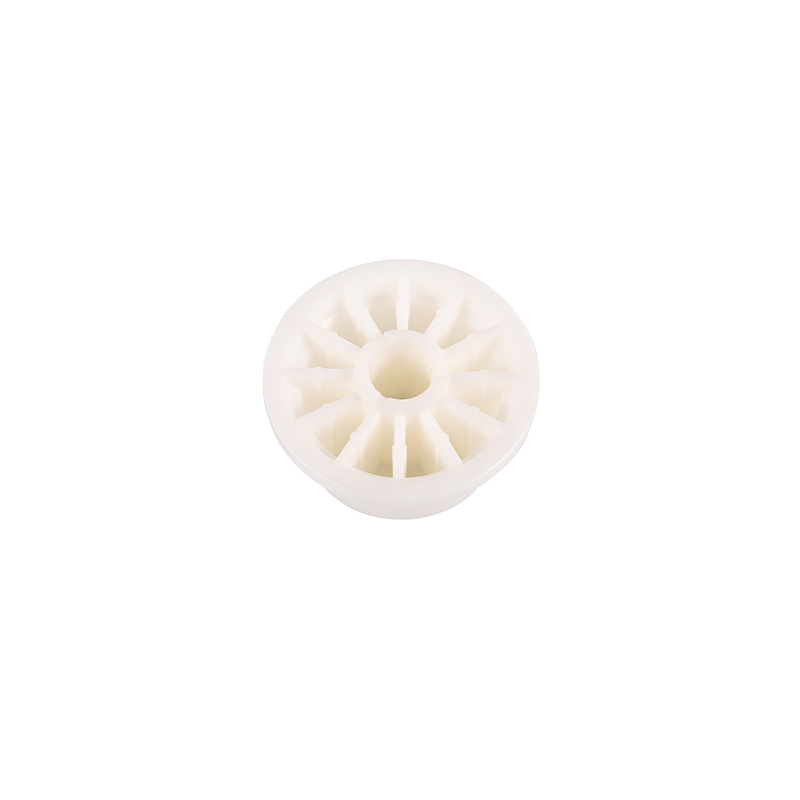 POM Injection Molded Gear for Food MachineryMade from food-grade POM, this gear leverages the material's low friction, dimensional stability, and corrosion resistance. It demonstrates why POM is the natural choice for transmission gears running continuously in food production environments.View Product →
Understanding the plastic injection molding process is the first step toward a successful part; the second is choosing a partner who lives inside those details every day. Since 2002, our team in Suzhou has designed and built precision molds and molded components for customers in medical, automotive, electrical, and instrument manufacturing, all from a single facility with in-house toolmaking. If you are developing a new component or re-sourcing an existing one, we are glad to review your drawings, recommend suitable materials, and share what twenty-plus years at the press have taught us.
Copyright © Suzhou Huanxin Precision Molding Co., Ltd. All Rights Reserved.