
 English
 中文简体
中文简体 Home / News / Industry News / Plastic Molded Parts: Materials, Processes and Precision Manufacturing Tips
Plastic molded parts tend to be the quiet members of any product team. They hold a surgical blade steady, click a dose into place, cushion an electric strut, or sit inside a printer doing the same small job a million times without complaint. If you specify them, design around them, or manufacture them, you already know the real questions are rarely about plastic as a material. They are about consistency: the same fit, the same feel, the same dimensions, batch after batch.
What follows is a practical look at plastic molded parts: what the term covers, how the main molding routes differ, why material selection changes so much, and which details usually decide whether a part performs in the field or causes trouble on the assembly line.
Content
Broadly speaking, a plastic molded part is any plastic component whose shape is formed inside a tool, rather than cut, machined, or bonded from sheet. Molds and dies come in many forms, which is why the category stretches from a two-gram button to a water tank.
Typical members of the family include:
Most of our own work sits at the precision end of the injection molding branch: small and medium parts measured in grams, where a few hundredths of a millimeter decide whether a needle holder seats properly or a push rod travels smoothly.
Engineers new to the topic often assume all molded plastic is produced the same way. It is not, and choosing the wrong route early can lock a project into unnecessary tooling cost or a shape that simply cannot be filled. The table below is a quick orientation.
| Process | How the plastic takes shape | Typical molded parts |
|---|---|---|
| Injection molding | Melt is injected into a closed steel mold and cools under pressure | Housings, handles, gears, connectors, bushings, small structural parts |
| Extrusion | Melt is pushed continuously through a die, then cooled and cut | Pipe, tubing, profiles, sheet, cable insulation |
| Blow molding | A softened tube is inflated against the walls of a hollow mold | Bottles, jugs, fuel tanks, hollow containers |
| Compression molding | A measured charge is pressed into a heated cavity and cured | Large panels, electrical insulators, composite parts |
| Rotational molding | Powder melts and coats the inside of a slowly rotating mold | Tanks, play structures, large hollow shells |
Injection molding dominates whenever tolerance and repeatability matter most, because the mold defines the geometry and the machine repeats the cycle. The other routes earn their place through continuous length, hollow volume, or very large surface area, not through tight dimensional control.
Two parts can share identical geometry and behave completely differently because of the resin behind them. When we review a new project, material selection usually follows the function rather than the other way around.
Blends are where things get interesting. A drum gear molded from PA66 with 30 percent glass fibre and a small amount of PTFE gains stiffness from the glass and a lower-friction surface from the PTFE, which is exactly what a dosing mechanism needs over thousands of cycles. Small additions like these are often the difference between a part that passes validation and one that fails three months later.
Precision is rarely the result of one clever move. It accumulates out of dozens of ordinary decisions made, or avoided, during tooling and process development. Wall thickness, draft angle, gate location, cooling layout, and shrinkage compensation all shape the final dimensions before the first shot is ever taken. Understanding how mold design decisions carry through to the finished part makes the rest of the conversation far easier.
On the process side, melt temperature, mold temperature, injection speed, holding pressure, and cooling time all leave fingerprints on the part. So does resin drying, which is easy to overlook and expensive to get wrong with hygroscopic materials like PA and PC. Because we build our own molds, adjustments happen in steel rather than in a spreadsheet. If a rib needs another tenth of a millimeter of relief, it can be cut and re-tested instead of argued about.
The same small components appear across very different industries, which is one of the more enjoyable parts of working in this field. A tolerance strategy developed for one application often turns out to be exactly what another one needs.
This is the most demanding area we serve. Minimally invasive scalpel handles need smooth surfaces and reliable needle fixation. Injection pens depend on push rods, drum gears, dose adjustment buttons, and refill holders that keep working through thousands of actuations. Transparent endoscopic connectors demand optical clarity with no visible flow marks. The wider medical injection molding accessories field rewards the same three habits everywhere: correct material grade, cleanliness, and dimensional repeatability.
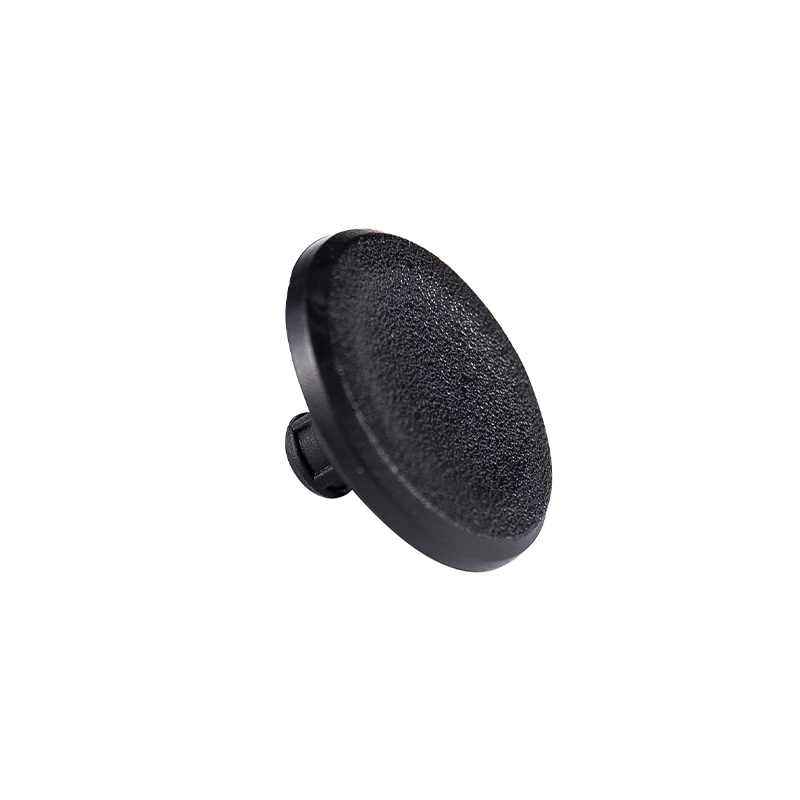 POM Release Button for Medical Injection PensA 0.70g POM release button for injection pens, with precise dimensions, smooth one-hand dose release, and an anti-slip surface for frequent use.View Product →
Behind the trim and around the mechanisms, plastic parts handle heat, vibration, and constant load cycling. Light dimming motors rely on upper shells and ejector rods with stable geometry, while electric struts use sleeves and bushings in glass-filled polyamide that must keep their fit through temperature swings.
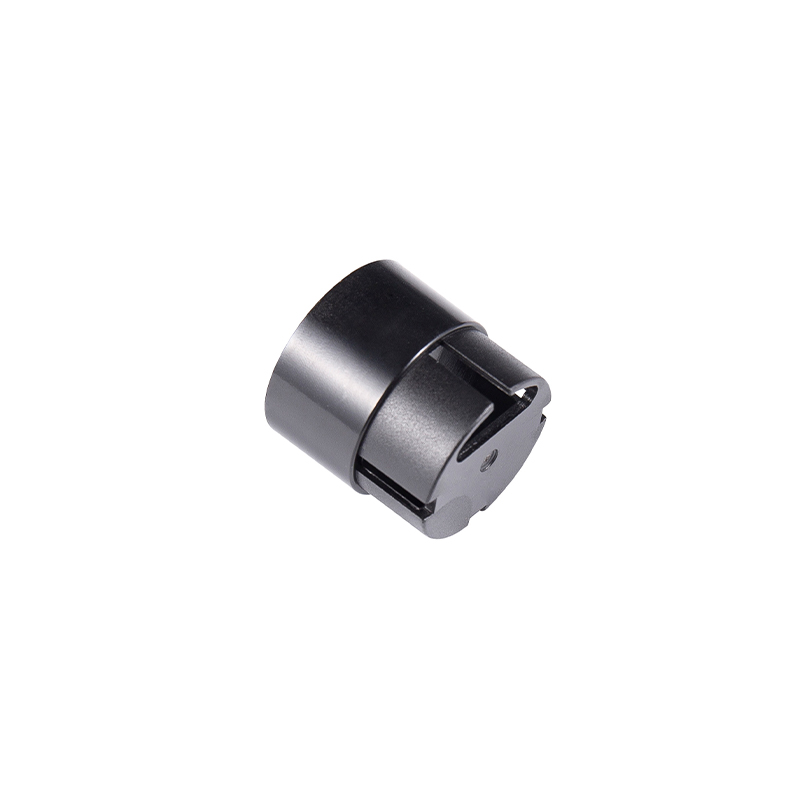 PA66 Automotive Electric Strut BushingA PA66 70G33L bushing for electric strut systems, with precise fit, 80–120°C heat resistance, and stable support in window lifters or trunk openers.View Product →
Printer internals, lamp bases and knobs, motor end covers, food machinery hooks and gears, and water quality tester housings all belong to the same family. They are rarely glamorous, but they are the parts users touch and rely on. Internal printer parts in HIPS and PC/ABS are a good example: modest in appearance, yet central to whether a mechanism stays aligned year after year.
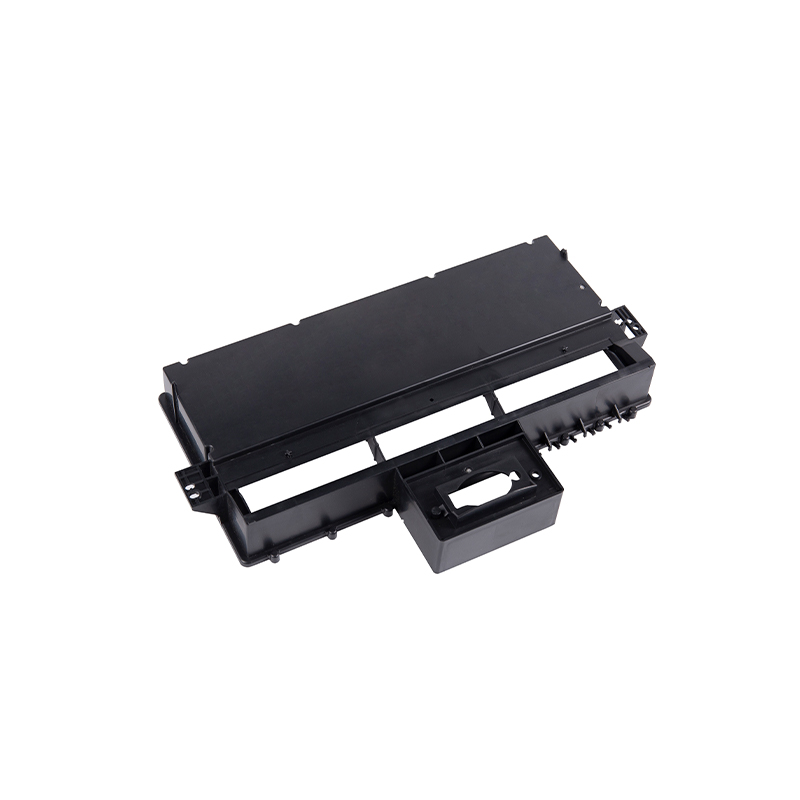 HIPS 108g Printer Internal Injection Molded PartsThese 108g HIPS internal printer accessories support stable, insulated operation in industrial 3D printers and precision injection molding equipment.View Product →
Defects in molded parts are rarely mysterious once you know where to look.
None of these are solved by simply turning a dial. They are solved by reading the part, the tool, and the process together.
Most buyers of precision molded parts are not looking for the largest supplier. They are looking for one that answers questions clearly, holds dimensions over time, and says something useful when a design is about to cause problems.
We have been making precision molds and molded parts in Suzhou since September 2002, working from a factory of more than 10,180 square meters in the Hengjing Industrial Park, Wuzhong District. With a team of around fifty people, precision computer-controlled injection machines, and our own mold manufacturing equipment, we handle small and medium parts for medical, automotive, electrical, motor, food machinery, and environmental testing customers. Nothing exotic, just a long habit of paying attention to the details that keep plastic molded parts working.
Copyright © Suzhou Huanxin Precision Molding Co., Ltd. All Rights Reserved.