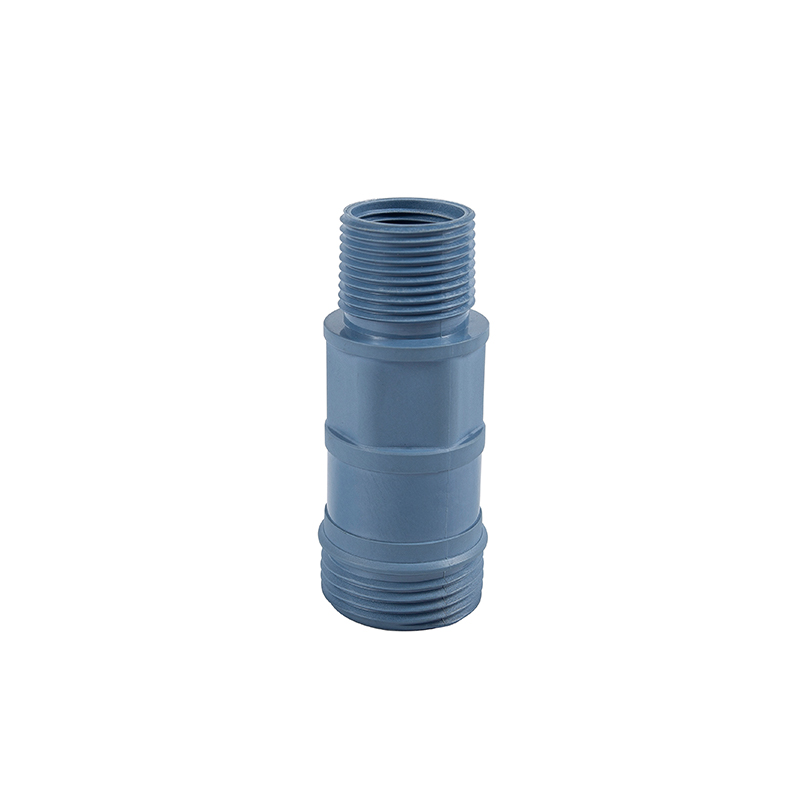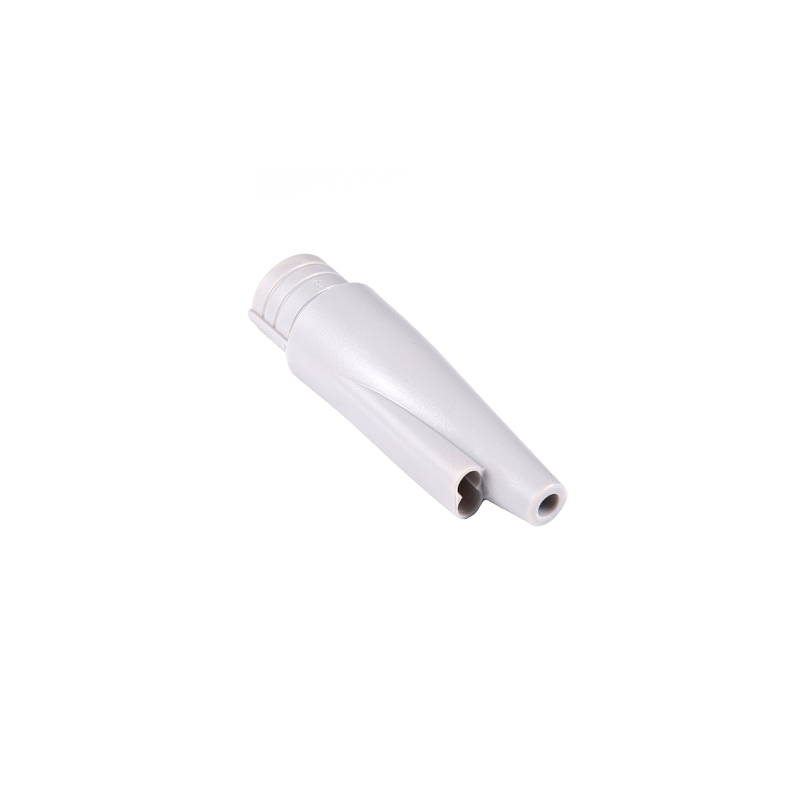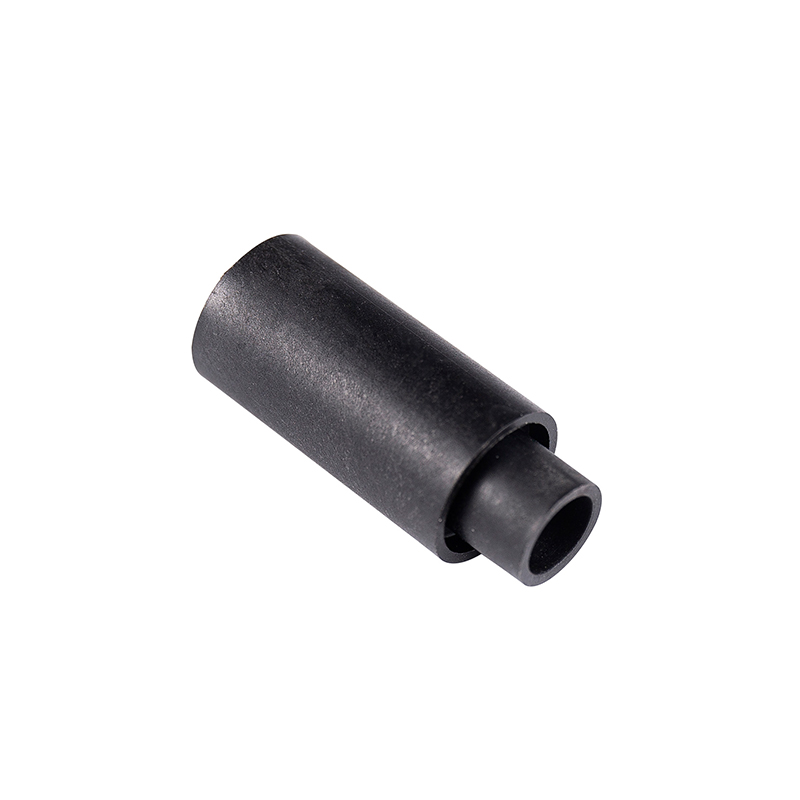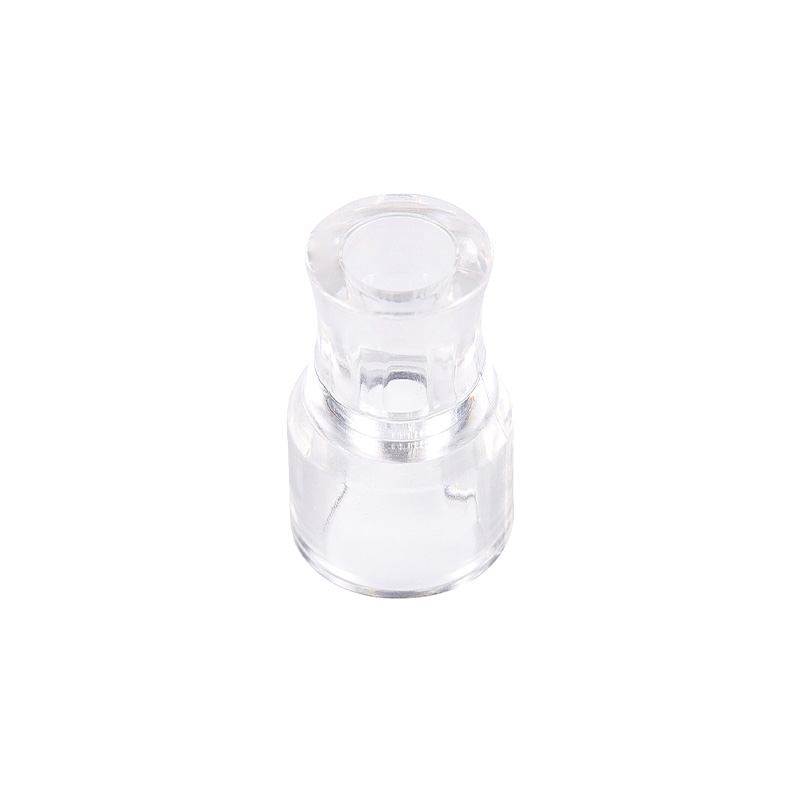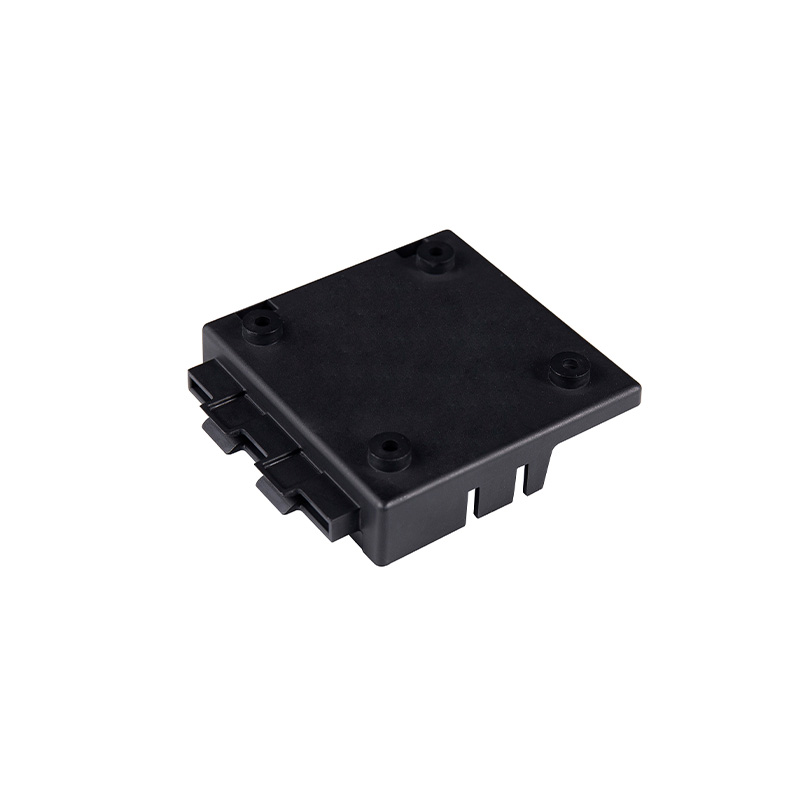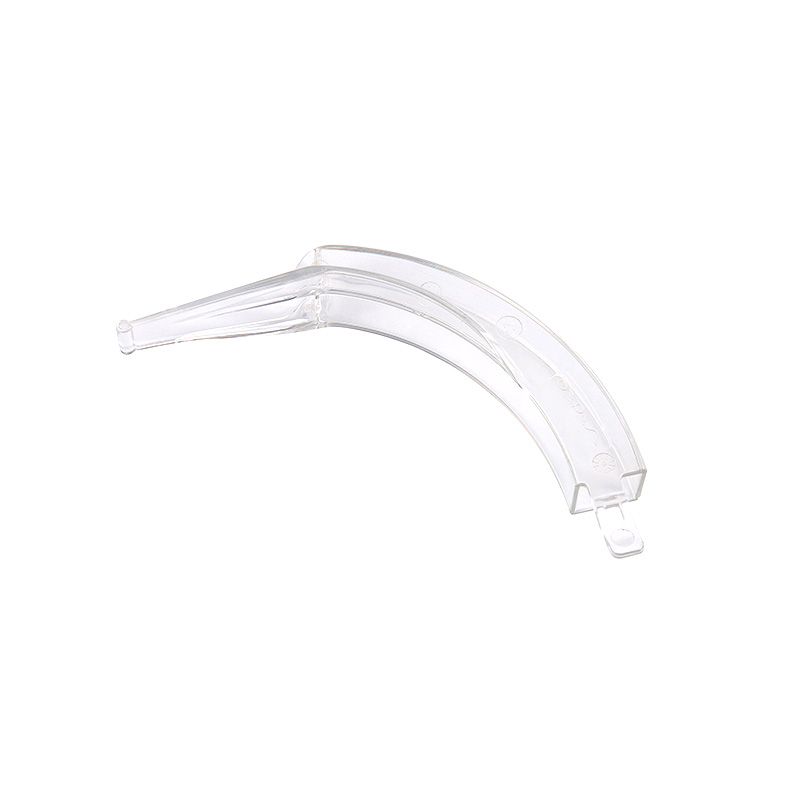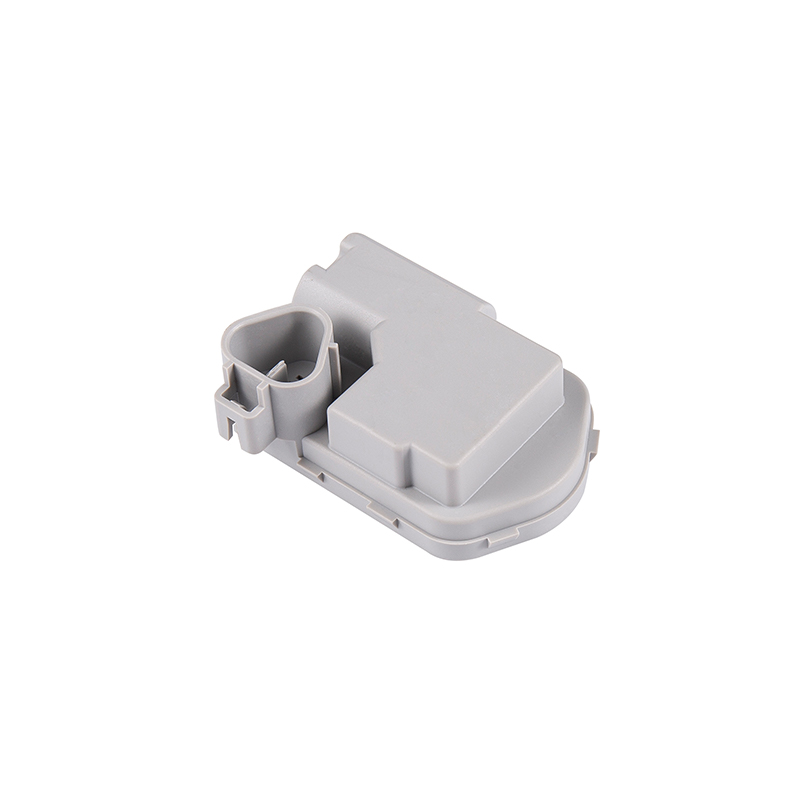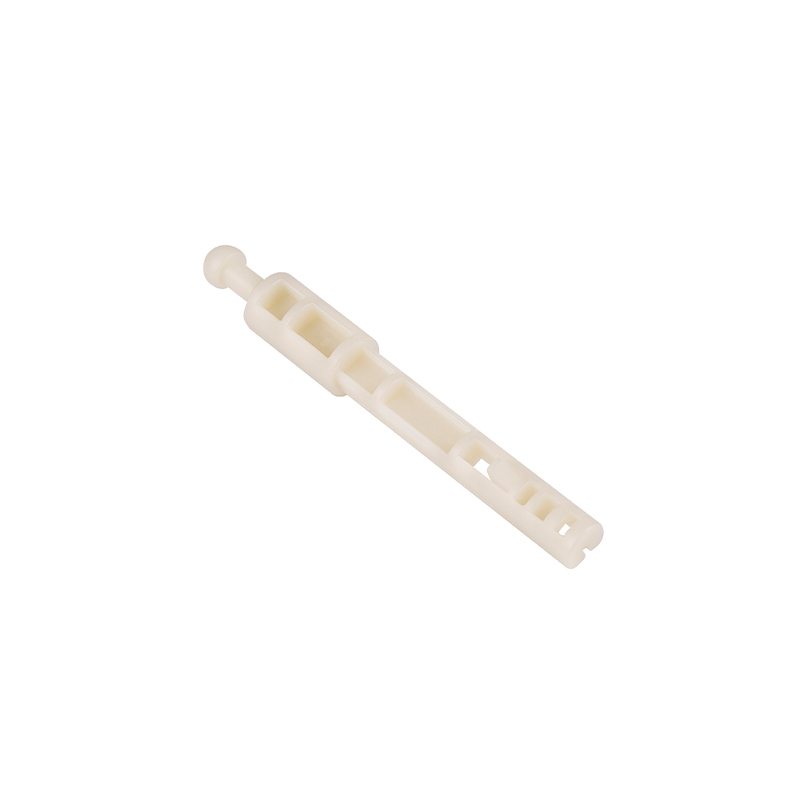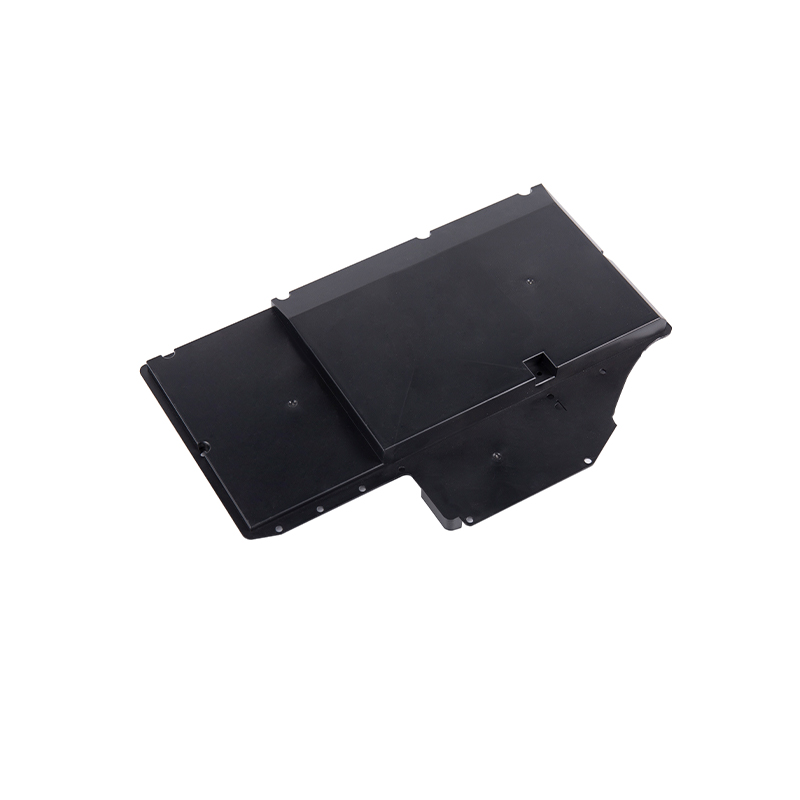
Material: PPS
Net weight: 50.1g
As the core structural component of the water quality tester, the main injection molded accessories of the 50.1g water quality tester not only carry the precision measurement system of the instrument but also ensure the stable operation and long-term durability of the instrument in complex environments. High-quality engineering plastics are used as the base material. This material has corrosion resistance, weather resistance, and mechanical strength. It can effectively resist the erosion of corrosive substances such as acids, alkalis, and salts that may be encountered during water quality testing, ensuring a long-term use. Stability and reliability. A high-precision injection molding machine is used for one-piece molding to ensure that the parts are accurate in size and the surface is smooth and flawless. During the injection molding process, parameters such as temperature, pressure, and time are strictly controlled to eliminate internal stress and improve the overall strength and durability of the product. The accessories are designed with full consideration of the requirements of waterproofing and dustproofing, and adopt a precise sealing structure to effectively prevent moisture and dust from entering the instrument and protect the precision measurement system from damage. The accessories have a reasonable structure design, which facilitates quick assembly and disassembly with other parts of the water quality tester and also facilitates daily maintenance and upkeep by users. This product is widely used in the concentration detection fields of large, medium, and small water plants, industrial and mining enterprises, swimming pools, disease control centers, environmental protection departments, and domestic or industrial water. It can effectively help users monitor and control turbidity, color, residual chlorine, total chlorine, combined chlorine, chlorine dioxide, ammonia nitrogen, nickel, suspended solids, copper, phosphate, dissolved oxygen, nitrite, and chromium in water quality, iron, manganese, TDS, water temperature, PH value and water hardness and other key indicators to ensure that the water quality reaches the required standards.

Why Injection Molding Dominates Automotive Plastic Part Production Injection molding has become the backbone of automotive plastic component manufact...
READ MOREPlastic injection molding works by melting plastic pellets and injecting the molten material under high pressure into a metal mold cavity, where it c...
READ MOREInjection Molding Shrinkage: The Complete Engineering Guide Injection molding shrinkage is the single most consequential variable in achieving dimens...
READ MOREInjection Molded Plastic Market: Scale, Growth, and What's Driving It The injection molded plastic market is one of the largest manufacturing segment...
READ MORE