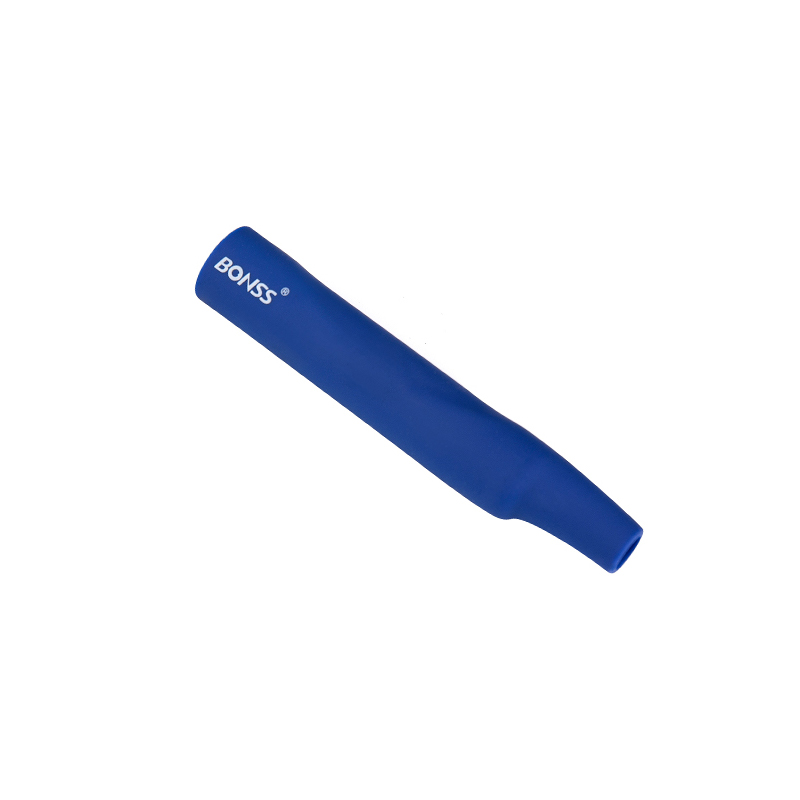
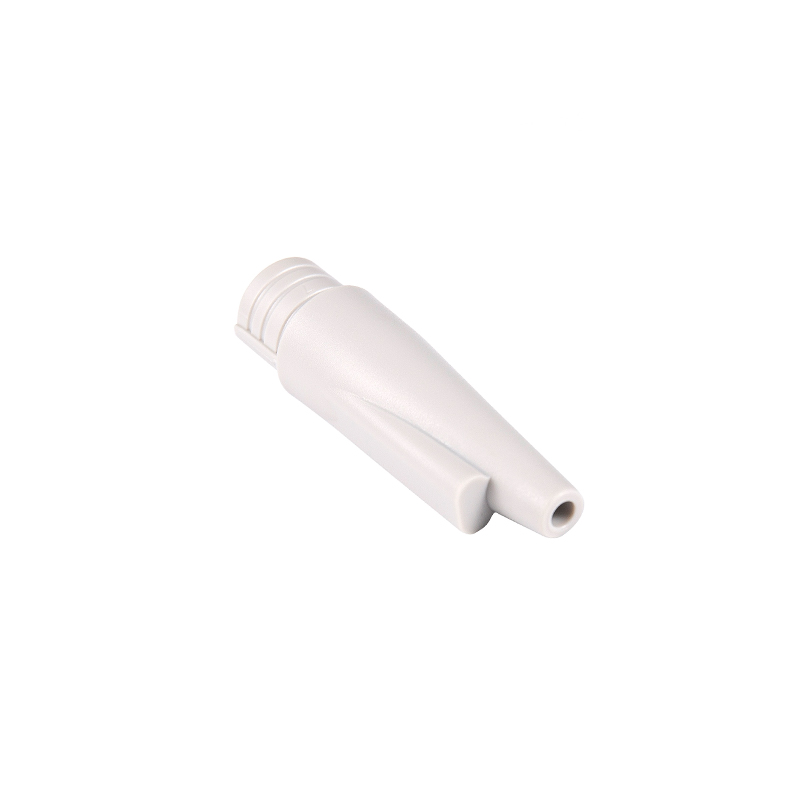
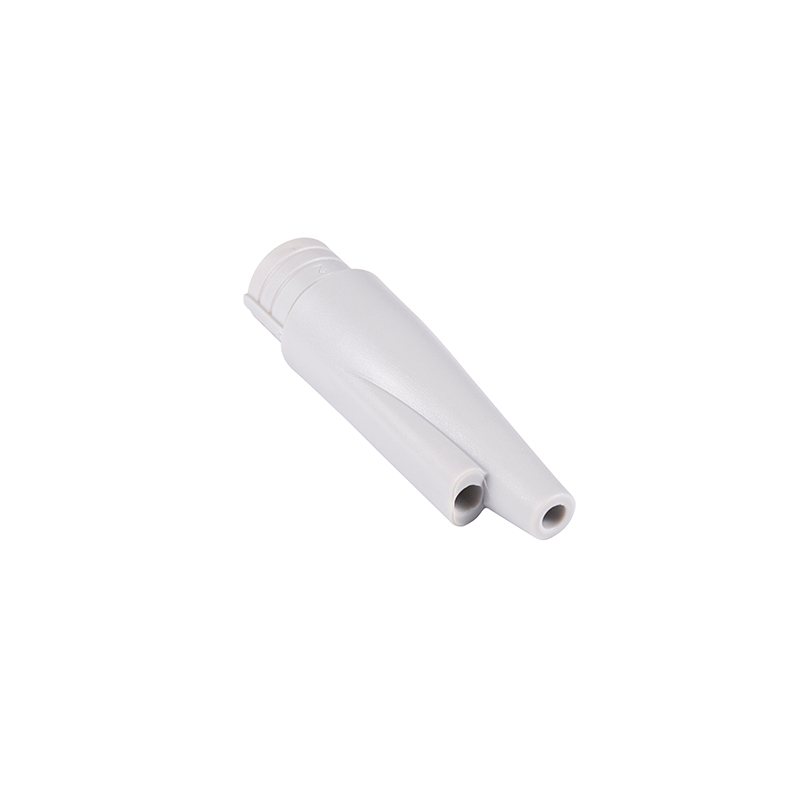
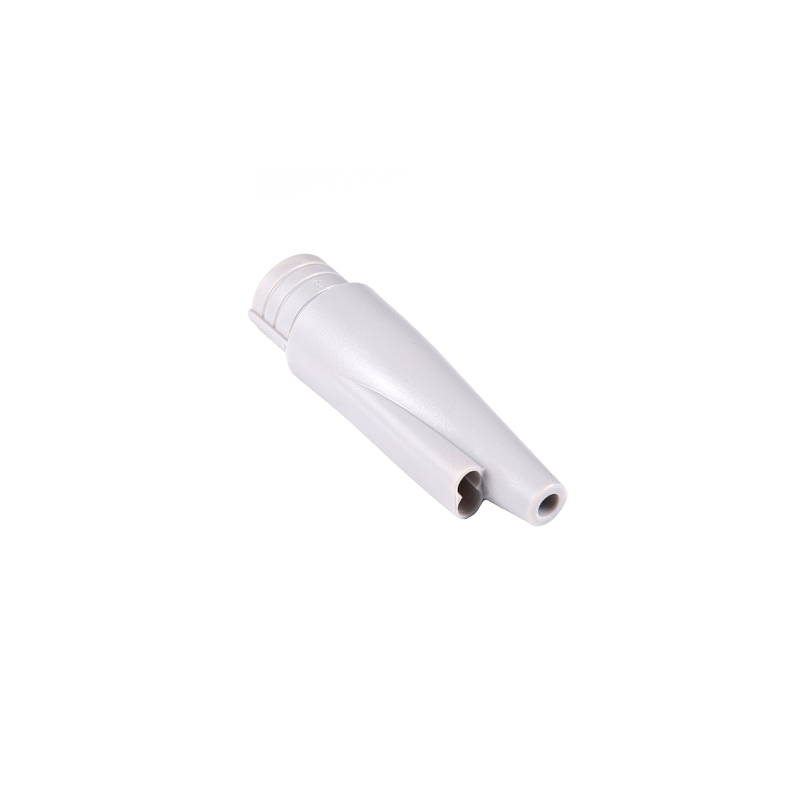
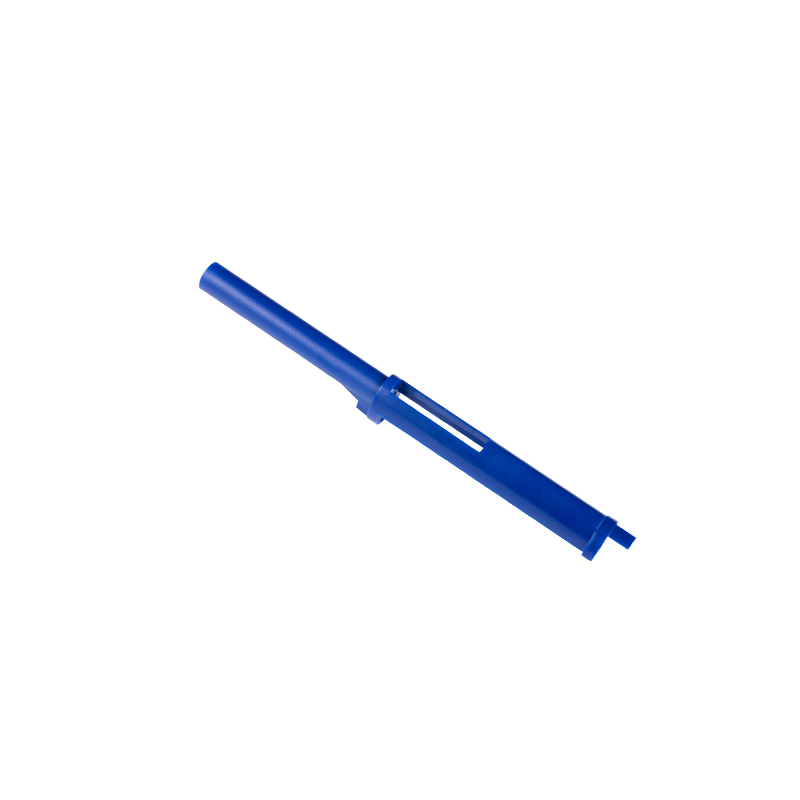
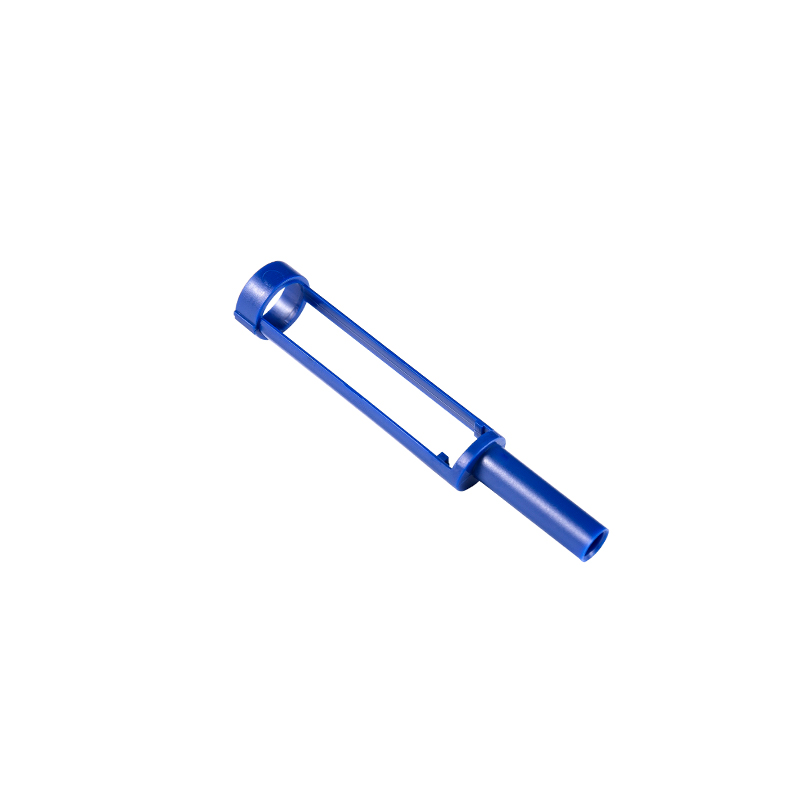
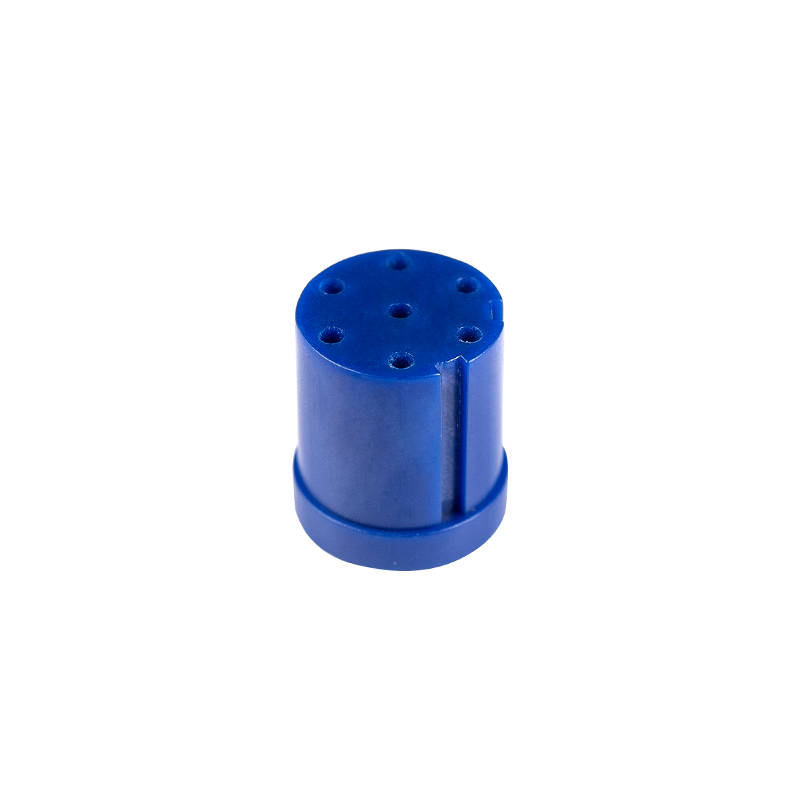
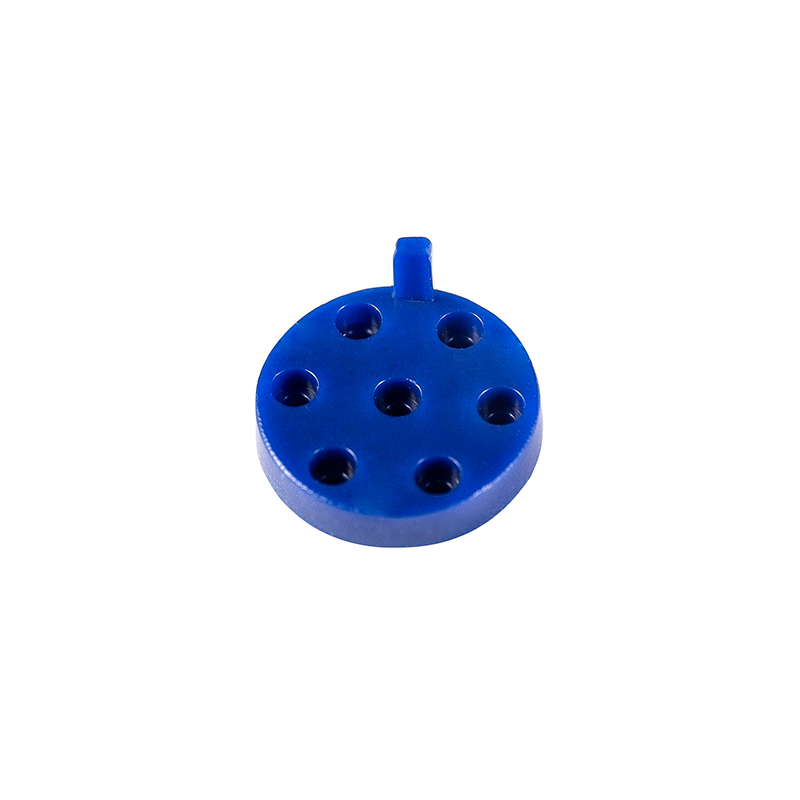
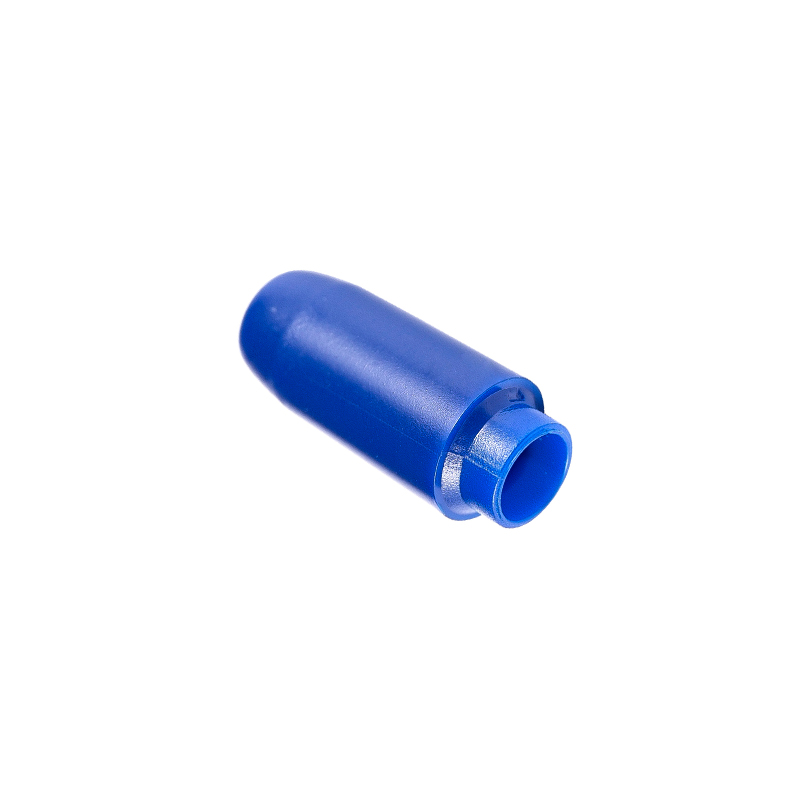
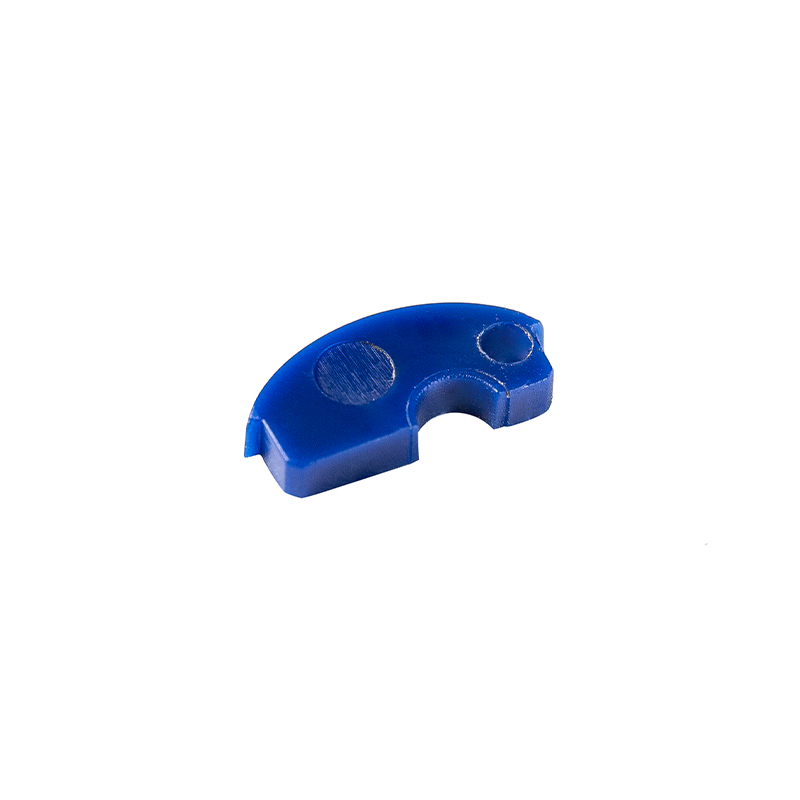
Medical injection molding is the process of producing plastic components for medical devices, diagnostic equipment, and pharmaceutical packaging using injection molding technology adapted to meet the strict quality, cleanliness, and material requirements unique to healthcare applications. The core molding process is fundamentally the same as standard injection molding — molten plastic is injected into a precision mold cavity, cooled, and ejected as a finished part — but medical applications add layers of material certification, cleanroom manufacturing, validation, and traceability that general industrial molding doesn't require.
This distinction matters because medical device components often carry direct patient-contact requirements, regulatory approval obligations, and functional tolerances tighter than most industrial applications demand, making medical injection molding a specialized discipline within the broader plastics manufacturing industry.
Medical Injection Molding Process
The medical injection molding process follows the same basic mechanical sequence as standard molding — material preparation, injection, cooling, and ejection — but incorporates additional controls at each stage specific to medical manufacturing requirements. Cleanroom or controlled-environment production is standard for components requiring low bioburden or particulate control, with air filtration, gowning protocols, and environmental monitoring integrated directly into the production process rather than treated as a separate post-processing step.
Validation is central to the process
Medical injection molding typically requires process validation (IQ/OQ/PQ — installation, operational, and performance qualification) to document that the molding process consistently produces parts meeting specification, a formal validation requirement that goes well beyond the quality checks typical in general industrial molding.
Documentation and traceability run throughout the process as well, with material lot numbers, process parameters, and inspection results typically recorded and retained to support regulatory submissions and, if needed, root-cause investigation for any quality issue that arises after the product reaches the field.
Flexible components, seals, and patient-contact soft-touch parts
Common material choices for medical injection molded components, matched to typical use cases.
Medical-Grade Plastic Materials
"Medical-grade" refers to plastic resin formulations specifically tested, documented, and supplied with the certifications needed to support use in medical devices — most notably biocompatibility testing and consistent, controlled manufacturing that ensures batch-to-batch material consistency. Medical-grade resins are supplied with a Drug Master File (DMF) or similar regulatory documentation package in many cases, allowing device manufacturers to reference the material's established safety and quality data directly in their own regulatory submissions rather than independently generating that data themselves.
Not every application requires the highest tier of medical-grade material — a device housing with no direct patient contact has different material requirements than an implantable component, so material grade selection should match the component's actual clinical use and regulatory classification rather than defaulting to the most stringent (and most expensive) grade for every part in an assembly.
Biocompatible Plastics for Medical Devices
Biocompatibility testing evaluates how a material interacts with human tissue and body fluids, covering factors like cytotoxicity, sensitization, and irritation potential, typically following standards such as ISO 10993. The required level of biocompatibility testing scales with the component's contact duration and contact type — a device housing with brief external skin contact requires less extensive testing than an implantable component with prolonged internal tissue contact, since the potential for adverse biological interaction increases significantly with more direct and prolonged patient contact.
Laboratory and diagnostic consumables: sample containers, well plates, and testing cartridges
Precision Injection Molded Medical Parts
Medical components frequently require dimensional tolerances significantly tighter than general industrial molding, since fit, function, and sometimes fluid-tight sealing depend on precise part geometry — a diagnostic cartridge with microfluidic channels, for example, may require tolerances measured in microns rather than the broader tolerances acceptable in general consumer product molding. Achieving this precision requires tightly controlled mold design, machine calibration, and process parameters, along with in-process and post-production inspection methods capable of verifying dimensions at the required tolerance level.
Precision requirements also extend to consistency across production runs — a medical device manufacturer needs confidence that part number 10,000 in a production run performs identically to part number 1, which drives the emphasis on process validation and statistical process control that distinguishes medical molding from less regulated manufacturing contexts.
Medical Device Plastic Components: Design Considerations
Designing plastic components for medical devices requires balancing functional requirements against manufacturability, sterilization compatibility, and material biocompatibility simultaneously — a design decision optimized purely for molding efficiency might conflict with sterilization requirements, or a material chosen purely for biocompatibility might present manufacturing challenges that affect achievable tolerances. Sterilization method compatibility is a particularly important early design consideration, since not all medical-grade plastics tolerate every sterilization method (autoclave/steam, ethylene oxide, gamma radiation) equally well, and selecting a material incompatible with the intended sterilization method can lead to material degradation or dimensional changes discovered late in development.
Medical Injection Molding Requirements
Quality system compliance: molding facilities typically operate under ISO 13485 or equivalent medical device quality management standards
Cleanroom manufacturing: required for components with bioburden or particulate control requirements
Process validation (IQ/OQ/PQ): formally documents that the molding process consistently produces conforming parts
Material traceability: resin lot tracking from raw material through finished part
Documented change control: any change to material, process, or tooling requires formal evaluation and, often, re-validation
Engineering Plastics for Medical Applications
Beyond standard medical-grade commodity resins, high-performance engineering plastics serve applications demanding properties standard medical resins can't provide — PEEK's combination of strength, chemical resistance, and biocompatibility suits load-bearing implantable applications, while polysulfone and polyetherimide (PEI/Ultem) suit reusable surgical instruments that must withstand repeated autoclave sterilization cycles without degrading. These engineering plastics command significantly higher material and processing costs than commodity medical resins, which is why they're generally reserved for applications where their specific performance advantages — extreme sterilization durability, mechanical strength for load-bearing implants, or high-temperature resistance — are genuinely required by the application rather than used as a default choice across all medical components.




 English
 中文简体
中文简体