
 English
 中文简体
Home / News / Industry News / China Plastic Injection Molding: A Practical Guide to Precision Parts Sourcing
China plastic injection molding is often described as a price story, but that is rarely how experienced buyers see it. The real advantage is proximity: mold design, toolmaking, molding, material selection, and inspection can sit close enough together that problems are found before they become expensive. For a precision part, that closeness matters more than a headline rate.
Suzhou Huanxin Precision Molding Co., Ltd. has worked in this environment since 2002, making precision molds and small to medium-sized molded parts for medical, automotive, electrical, motor, food machinery, and water quality testing equipment. Our plant in Wuzhong District, Suzhou, covers more than 10,180 square meters and combines mold making with precision computer injection molding. That mix is useful when a drawing looks simple but the finished part has to fit, seal, move, or remain transparent in a real device.
Content
The Yangtze River Delta has a deep bench of mold steel suppliers, resin distributors, machining shops, metrology services, and experienced moldmakers. A buyer can source a tool, validate a material, and move into production without building an entire supply chain from scratch. That ecosystem is one reason China plastic injection molding remains practical for complex, low-to-medium-volume precision parts, not only for large consumer products.
The important distinction is between a trading company and a manufacturer that controls mold design and molding parameters. A precision mold shop that also runs its own presses can catch gate marks, warpage, short shots, and dimensional drift during trials instead of discovering them after shipment. When a part weighs a few grams but sits inside a surgical instrument, an injection pen, or a motor housing, those small details decide whether the assembly works.
A good project does not begin with a purchase order. It begins with a part drawing, a material requirement, an expected annual volume, and a clear understanding of the assembly interface. From there, the moldmaker reviews draft angles, wall thickness, gate location, ejection, cooling, and tolerance stack-up. This is where a supplier's experience becomes visible, because a helpful DFM note can save weeks later.
| Project stage | Typical activity | Buyer checkpoint |
|---|---|---|
| Design review | Check drawing, material, draft, shrinkage, and assembly fit | Are DFM questions answered before steel is cut? |
| Mold design | Plan cavity layout, runner, cooling, ejection, and insert strategy | Does the design suit the part and the expected volume? |
| Trial molding | Run first samples, inspect dimensions, and tune process windows | Is a trial report supplied with measurements and photos? |
| Validation | Confirm material, appearance, fit, and repeatability | Are critical dimensions checked over several shots? |
| Production | Maintain parameters, inspect parts, and care for the mold | Who owns change control and mold maintenance records? |
For overseas buyers, communication is part of the process. Clear photos, measured sample reports, and short technical notes are often more useful than long sales presentations. A supplier who explains why a change is needed, rather than simply accepting every request, is usually protecting the tool and the final part.
Precision injection molding is not only about machine tonnage. Glass-filled nylon, POM, PBT, PC, ABS, HIPS, PP, TPEE, and PTFE-modified grades all behave differently. A 30% glass-filled PA66 part may need careful gate placement to avoid fiber orientation problems. A transparent PC connector may need tight melt control to protect clarity. A POM release button may need stable shrinkage so it keeps a precise fit after molding.
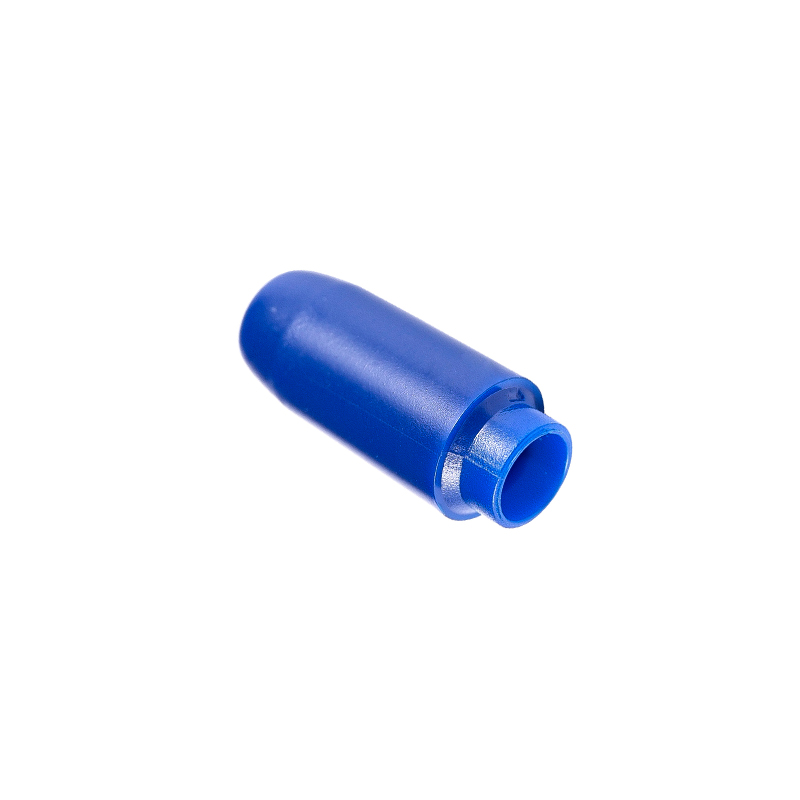
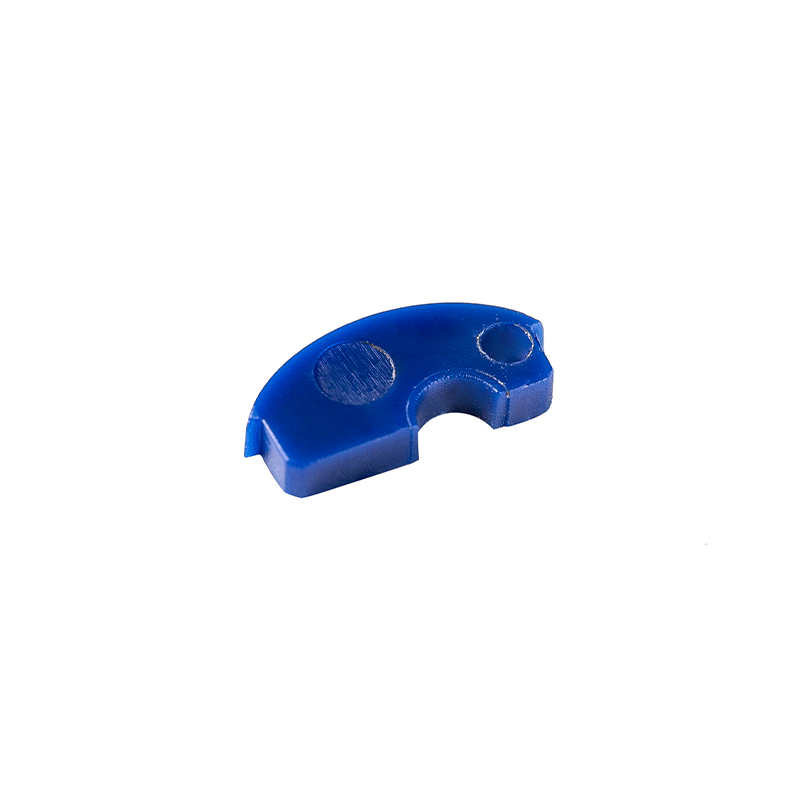
Medical injection pen components show why material and tooling must be considered together. Small gears, push rods, dose adjustment buttons, and refill holders carry fine features and must move reliably. A part such as a PBT push rod driver may look modest, but its dimensions, chemical resistance, and molding consistency influence the pen's function. Buyers often review these parts alongside the wider medical injection molding accessories range, because the assembly matters more than any single piece.
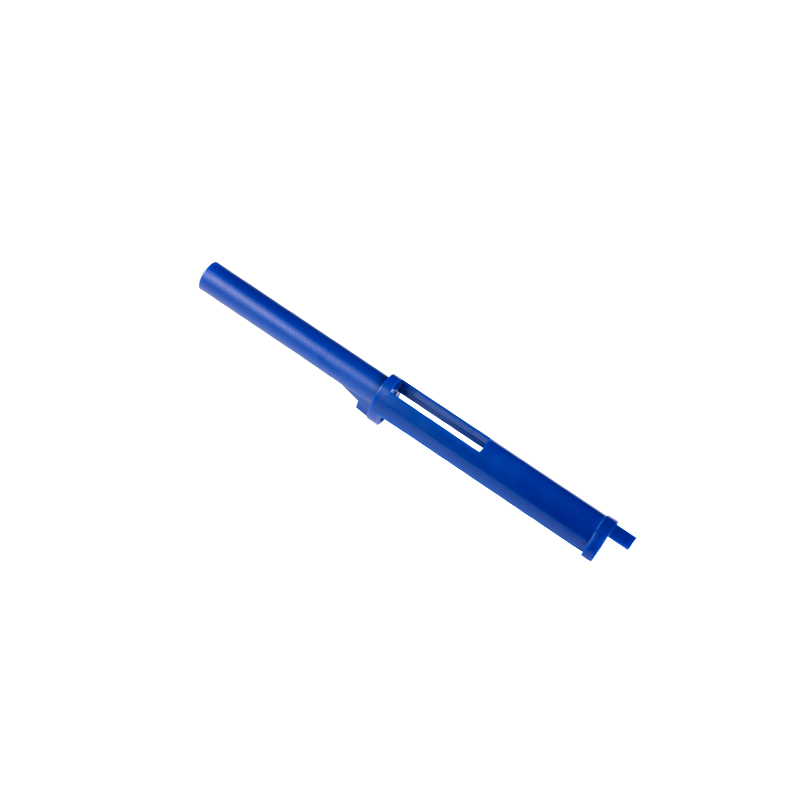
 PBT Push Rod Driver for Medical Injection PensPrecision-molded PBT component for medical injection pens, with friction-reduced surface and dimensional stability suited to dose-control assemblies.View Product →
Insert molding and overmolding add another layer. When metal inserts, threaded parts, or soft-touch surfaces are combined with plastic, the mold must hold the insert securely and still allow repeatable cycle times. Those decisions belong in the design review, not in a last-minute production fix.
Medical work often involves small shells, connectors, lenses, brackets, and transmission parts. Minimally invasive scalpel handles and steel pipe fixing components need clean molding and stable fit. Gastroscope connectors and transparent PC parts need clarity and careful gate control. Medical equipment parts such as hinge covers, lampshade assemblies, card reader brackets, and laryngoscope elbows must meet the practical demands of cleaning, assembly, and daily use.
Automotive injection molding covers light dimming motor parts, electric strut sleeves and bushings, and tire-changing or repair equipment inserts. These are not always large body panels; many are small functional parts that must resist load, vibration, and temperature change. A PA66 electric strut bushing, for example, has to fit a specific assembly and keep its dimensions over time. The same discipline applies to 16g repair ball fasteners and protective plastic inserts for installation tools.
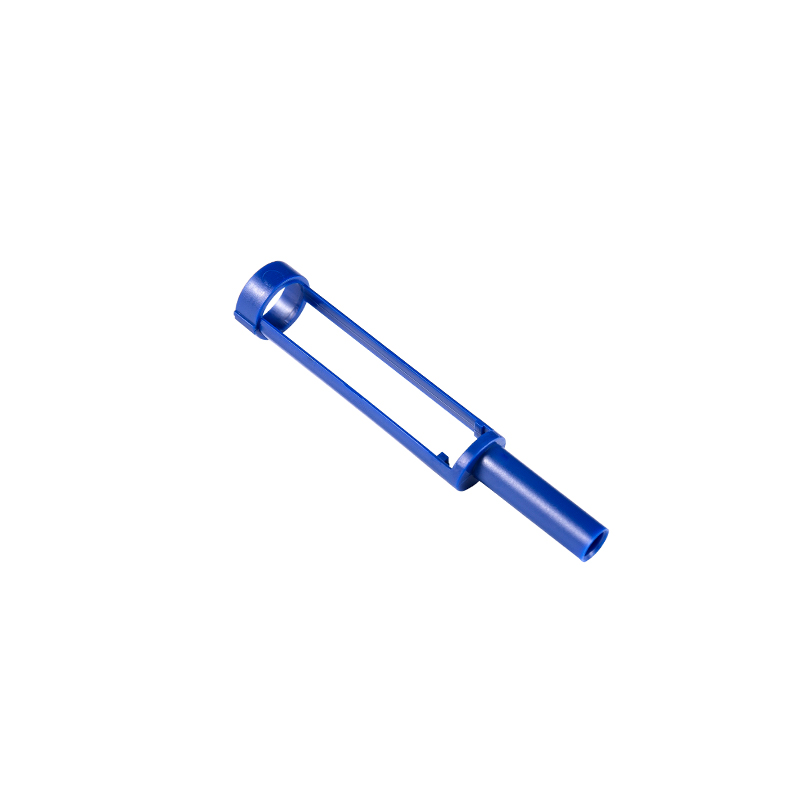
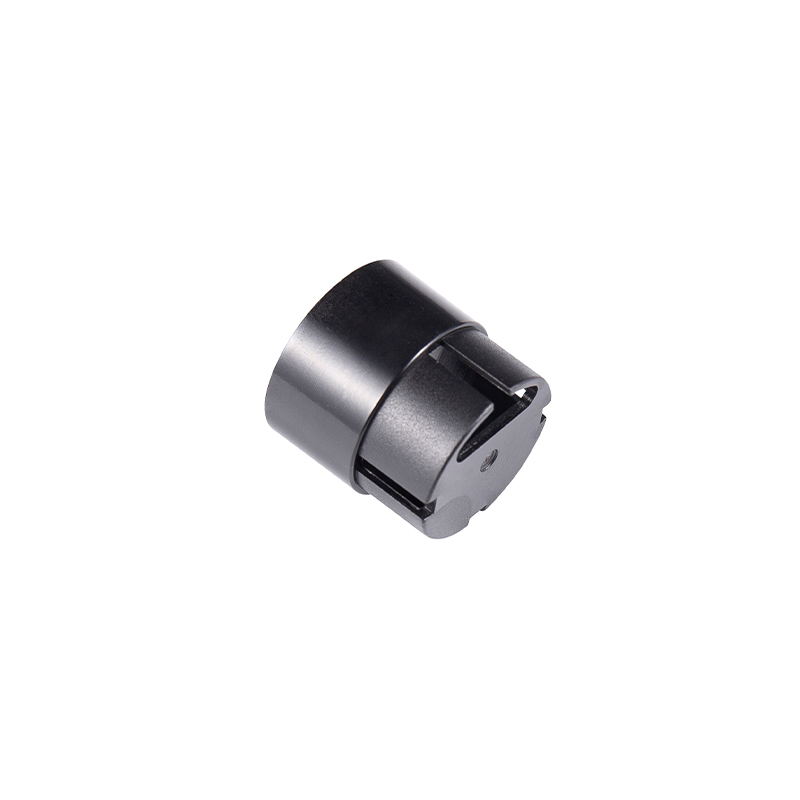 PA66 Electric Strut Bushing for Automotive AssembliesMolded DuPont PA66 bushing for electric strut systems, offering stable support and heat resistance for automotive assembly and durability checks.View Product →
Electrical parts include printer internals, desk lamp bases, and adjustment knobs. Motor parts may involve aluminum or sheet-metal components covered with plastic, which requires careful insert handling and mold protection. Food machinery parts such as PA6 meat hooks and POM gears need durable structures and suitable materials. Water quality testing equipment uses bodies, measuring heads, protective covers, and fixing rings where dimensional stability and sealing surfaces matter.
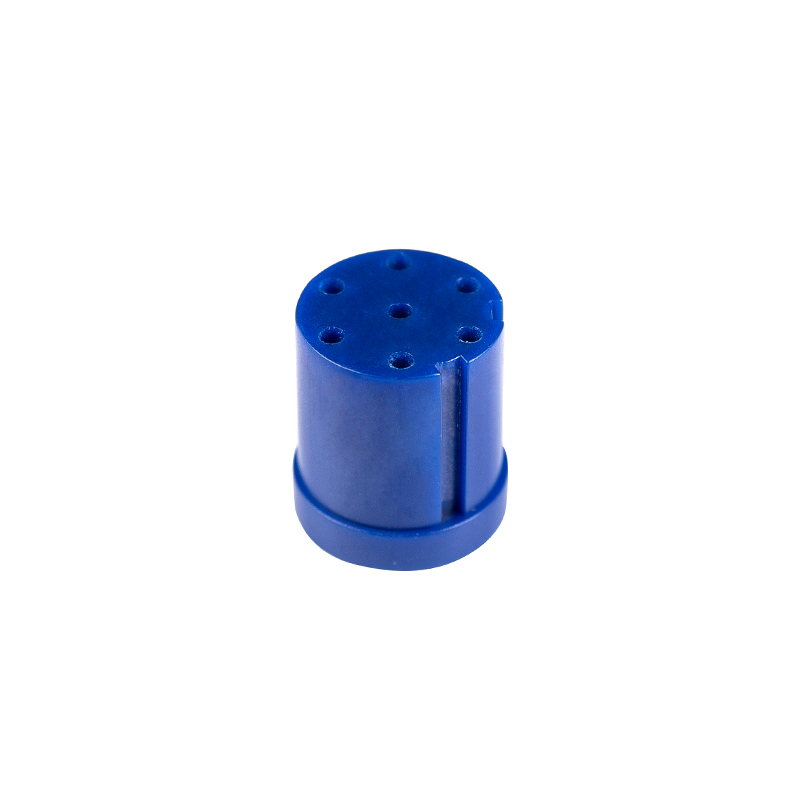
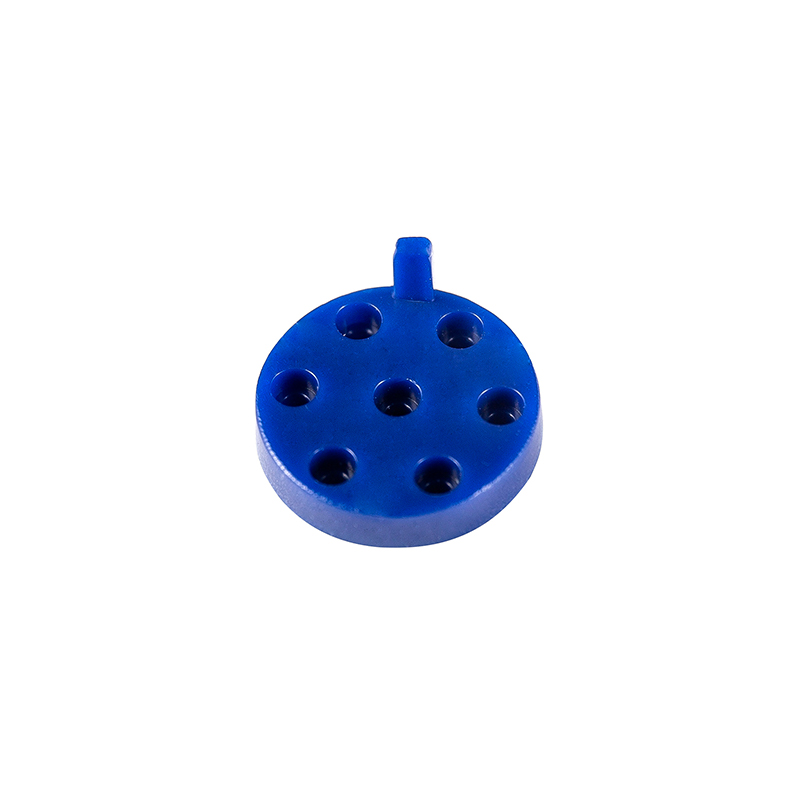
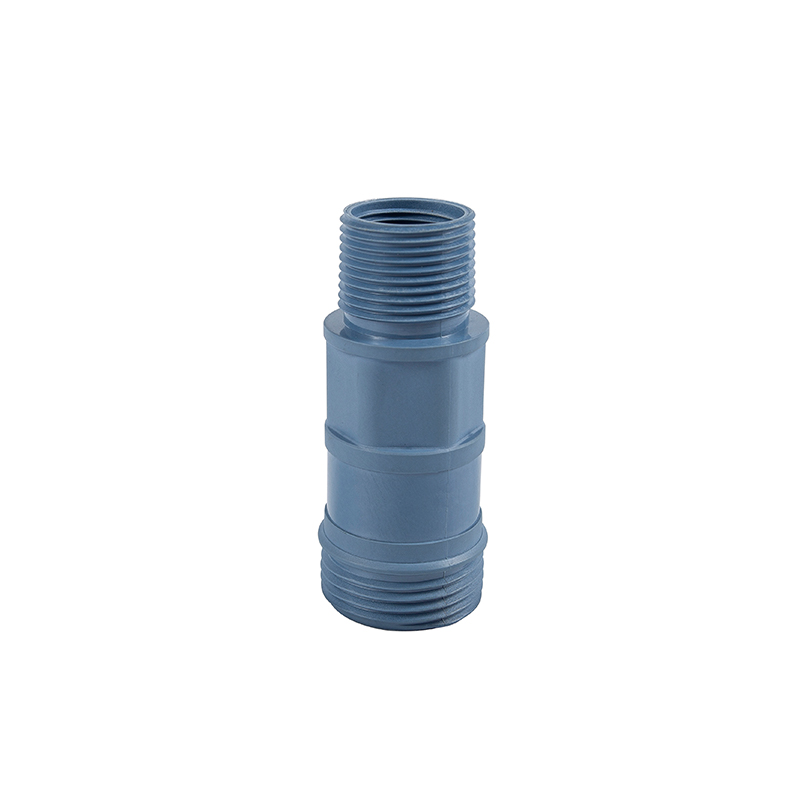 PPS Water Quality Tester Body Injection Molding ComponentCorrosion-resistant PPS tester body with sealing structure and one-piece molding, suited to water-quality equipment needing stable dimensions and maintenance access.View Product →
A quality system is a useful baseline, but it does not replace part-specific checks. Buyers should look for first-article inspection, dimensional reports, material certificates, appearance criteria, and a clear reaction plan when a measurement drifts. Mold maintenance also deserves attention. A mold that is cleaned, inspected, and protected between runs will produce more consistent parts than one that is only repaired after a failure.
Process discipline matters in China plastic injection molding because production windows can shift with humidity, material lot, and machine condition. Good suppliers record parameters, compare samples, and keep mold history. They also know when to stop and ask rather than push a tool beyond its design. Our own approach follows that practical rhythm: review the drawing, control the mold, measure the part, and document what changed.
For buyers comparing suppliers, it helps to read around the commercial claims. A technical note on quality risk and mold care in China plastic injection molding services can reveal whether a supplier thinks about maintenance, surface defects, and long-term tool life, or only about the next shipment.
The best supplier is not always the one with the largest factory or the lowest quote. For precision work, fit matters. A shop with 50-plus employees and focused small to medium mold capability may give a complex medical or automotive part more attention than a large plant built around high-volume consumer goods. Buyers should ask direct questions and expect direct answers.
Suzhou Huanxin works as a precision molding supplier rather than a marketplace middleman. Our experience is in mold making and injection molding for device manufacturers that need parts to fit an assembly, not simply look acceptable in a photo. That focus keeps the conversation practical: material, tool, tolerance, and repeatability.
China plastic injection molding can be a strong choice for precision parts when the supplier treats tooling, material, and inspection as one system. The country's manufacturing depth is real, but the value comes from the specific team behind the mold. A friendly, experienced partner will ask better questions early, document the trial clearly, and keep the mold healthy after production begins. That is usually what separates a smooth program from a costly lesson.
Copyright © Suzhou Huanxin Precision Molding Co., Ltd. All Rights Reserved.