
 English
 中文简体
Home / News / Industry News / Injection Moulds for Plastics: A Practical Design and Production Guide
Injection moulds for plastics are the tools that turn a good part design into a repeatable, sellable product. They are not simply blocks of steel with a cavity cut into them. A production mould carries the runner system, cooling channels, ejection, venting and shut-offs that decide cycle time, dimensional stability and surface finish. At Suzhou Huanxin Precision Molding, we have worked on precision moulds and moulded parts since 2002, and one lesson comes up again and again: the earlier the mould is considered, the fewer surprises appear at the trial.
This guide is a practical overview for engineers and buyers who are planning a new plastic part, improving an existing tool or comparing quotations. It covers mould types, design details, material choices, common defects, tool life and the questions worth asking before a project starts.
Content
The injection moulding cycle is simple to describe and difficult to perfect. The mould closes, the screw pushes molten polymer through the runner and gate into the cavity, packing pressure holds the part while it cools, and the tool opens so the part can be ejected. Every one of those steps depends on the mould. A restrictive gate may fill the part but create high shear. Poor cooling may lengthen the cycle and pull the part out of tolerance. Weak venting may trap air and leave burn marks.
The mould also has to suit the machine. Shut height, tie-bar spacing, ejection stroke, shot size and clamp tonnage all matter. A tool that is well designed for one press may be awkward or impossible to run in another, so it is worth agreeing the production platform before the steel is cut.
Most projects begin with a choice between a few common mould constructions. The right answer is not always the most sophisticated one; it is the one that fits the part, the resin, the tolerance and the volume. The table below gives a simple comparison.
| Mould type | Typical fit | Practical notes |
|---|---|---|
| Two-plate | General parts and stable volumes | Robust and economical; gate and runner layout still need care. |
| Three-plate | Multi-cavity parts needing flexible gating | Useful gate positions, but more runner material and a longer cycle. |
| Hot runner | High-volume technical parts | Less runner waste and cleaner gate marks; thermal control is critical. |
| Insert or overmould | Metal inserts, soft-touch areas and assemblies | Handling and shut-offs add complexity, so plan them early. |
| Family mould | Similar small parts in one resin | Efficient for low volume when cavities are properly balanced. |
Hot-runner tools are often attractive for high-volume engineering parts because they reduce runner waste and gate marks, but they need careful thermal control. Insert and overmould tools add handling and shut-off complexity, so they are best planned with the moulder at the same table. A family mould can be efficient for low-volume parts that share a resin and a similar size, provided the cavities are balanced.
Many mould problems are designed in long before the first shot. The following details deserve attention at the drawing stage:
Simulation is useful, but it works best when it answers a specific question: will this gate position fill the part, where will air trap, or how much warp should we expect? Our plastic injection mould design guide looks at components and process choices in more detail. The aim is not a perfect computer model; it is a tool that can be moulded, maintained and measured in production.
Tool steel and plastic resin are a pair. A glass-filled nylon can wear a soft cavity gate over time, while PVC can create corrosion if the steel and cooling circuit are not chosen carefully. P20 and 718H are common pre-hardened choices for general parts; S136 or similar stainless grades suit transparent, medical or corrosive applications; H13 is often used where heat and abrasion are significant. Coatings and inserts can extend life, but they should solve a specific wear or release problem, not hide a weak design.
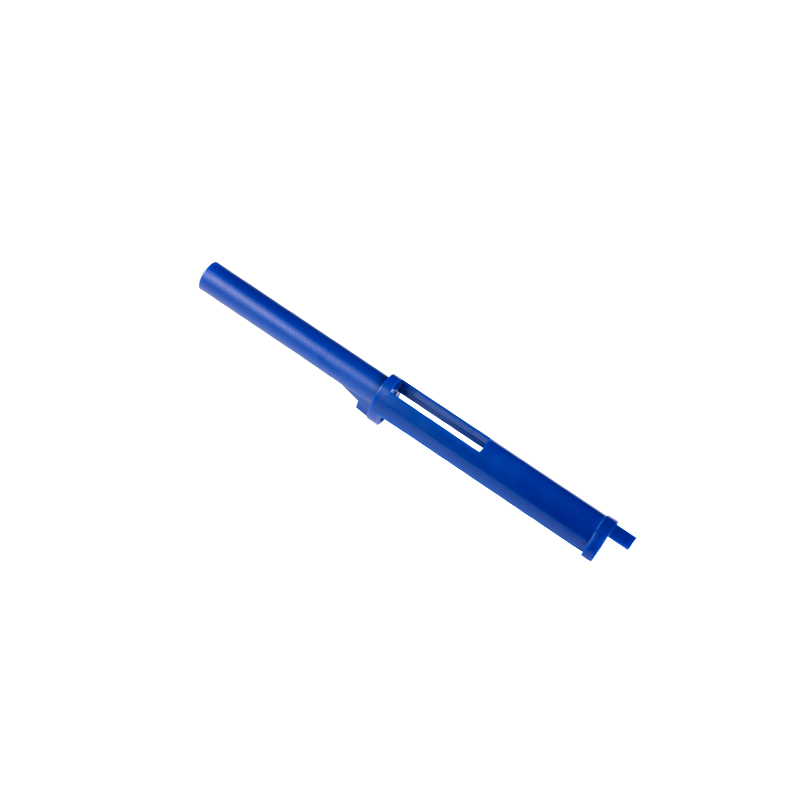
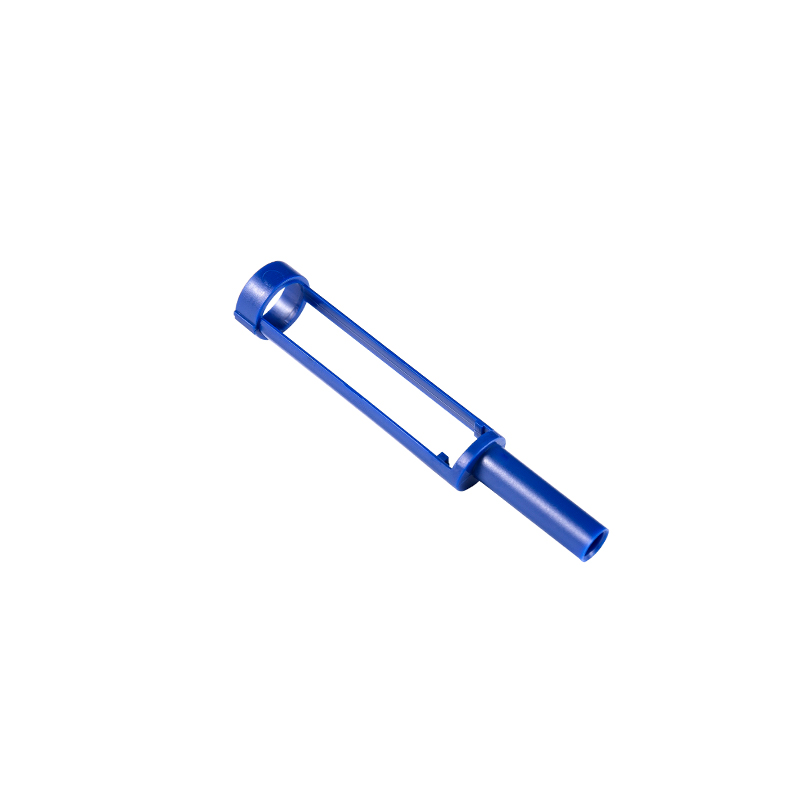
Consider a medical injection pen push rod. The part may need stiffness, low friction, sterilisation compatibility and stable dimensions. A material such as PA66-GF30 with 15% PTFE can be a sensible starting point, but the gate, cooling and ejection still have to respect the fibre orientation and the tight tolerance.
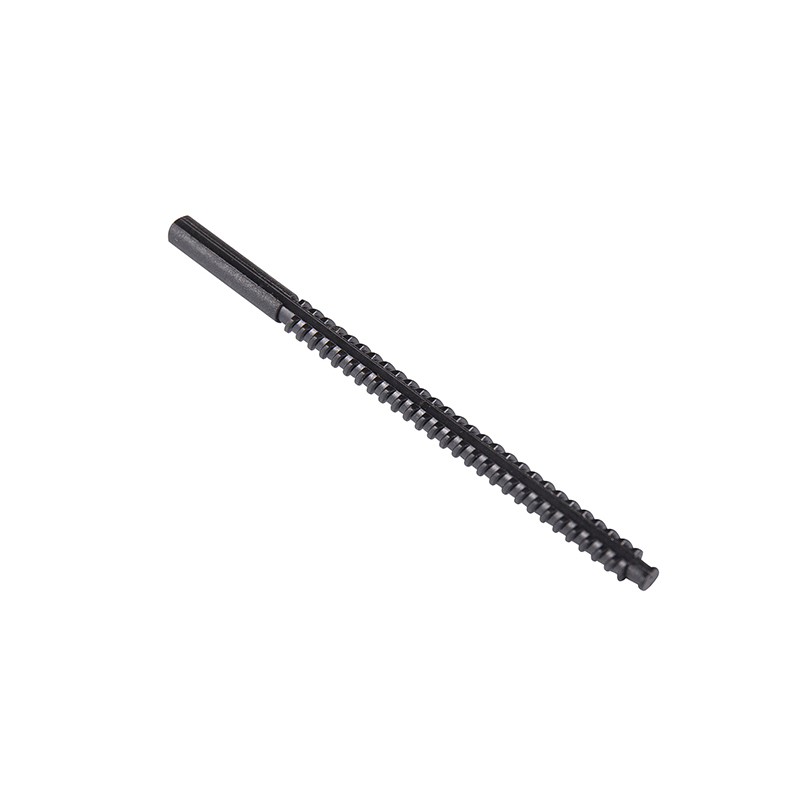 PA66-GF30 Push Rod for Medical Injection PensA precise, low-friction push rod in glass-fibre-reinforced PA66 with PTFE, suited to medical injection pen assemblies.View Product →
Defects are signals. A short shot may point to venting, gate size, melt temperature or an under-sized runner. Flash may come from insufficient clamp, worn parting surfaces or excessive packing. Sink marks often follow thick sections and poor cooling; warpage may come from uneven shrinkage or fibre orientation. Weld lines, silver streaks and burn marks each tell a different story about flow, moisture or trapped gas.
The useful response is to change one variable at a time and record the result. Scientific moulding, with a documented process window, is more reliable than chasing settings shot by shot. It also makes the handover from trial to production much smoother.
Tool life is not a single number. It depends on steel grade, heat treatment, surface finish, resin abrasiveness, cycle time, cooling water quality and how the tool is treated between runs. A well-maintained general-purpose tool may run hundreds of thousands of cycles; a hardened tool for an abrasive engineering resin may be built for more. The important point is to match the expected life to the programme rather than overbuild every tool.
Maintenance should be planned, not reactive. Waterways need cleaning, vents need inspection, ejector pins and slides need lubrication, and parting surfaces need care. A short maintenance schedule protects dimensional consistency and avoids the expensive failure that always seems to arrive during a busy week.
Cost follows the same logic. Cavity count, steel choice, hot-runner system, surface finish, tolerance, slides, lifters and validation all move the number. A low quotation that ignores trial support or measurement can be the most expensive option in the end.
Choosing a partner for injection moulds for plastics is mostly about communication and evidence. Ask how the supplier will review the part design, how gate and cooling decisions are made, what steel will be used, how the trial will be measured and who owns the process window after handover. A supplier who can make the mould and run the mould has fewer excuses when the two do not agree.
Our own work at Suzhou Huanxin combines precision mould making with injection moulding of small and medium technical parts. If you need a precision moulding partner who can look at the drawing, the resin and the production volume together, that conversation is worth having early. We would rather question a thin wall or an awkward under-cut before the tool is cut than explain it after.
Different industries ask different things of a mould. Medical parts may need cleanability, traceable materials and tight dimensional control. Automotive parts need fatigue resistance and stable performance over temperature. Electrical and printer parts often balance moulding speed with dimensional consistency, while food machinery parts must suit repeated cleaning and contact with food equipment.
For automotive electric struts, a PA66 bushing may look simple, but its fit, wear behaviour and resistance to road-environment ageing depend on material choice, gate position and roundness.
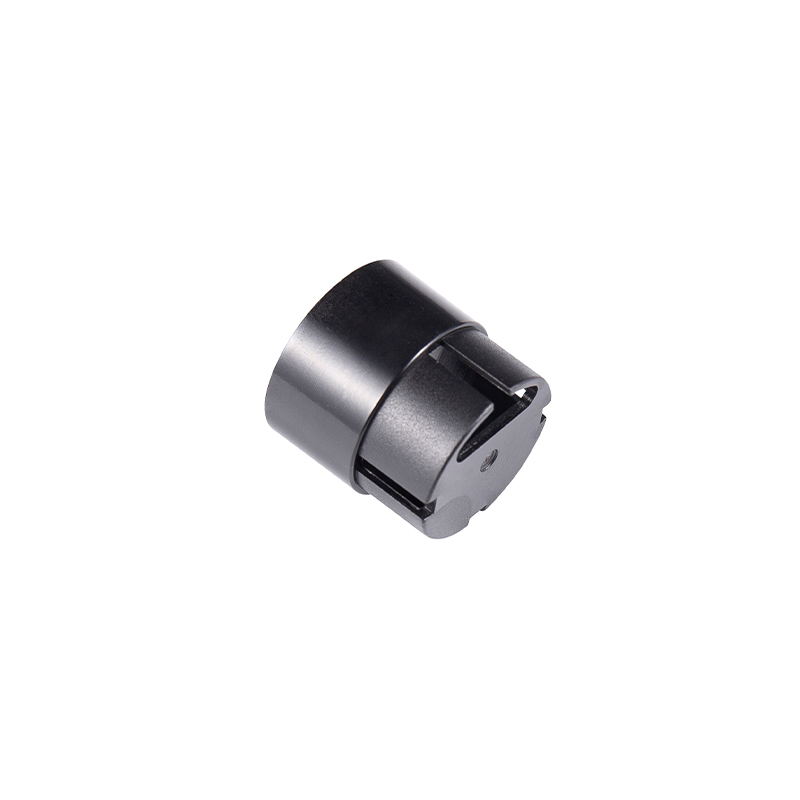 PA66 Bushing for Automotive Electric Strut SystemsDuPont PA66 70G33L bushing moulded for electric strut assemblies, offering precise fit and heat resistance for automotive use.View Product →
A water quality tester body is another example: a 50.1 g moulded body has to protect the electronics, fit the assembly and remain stable in service.
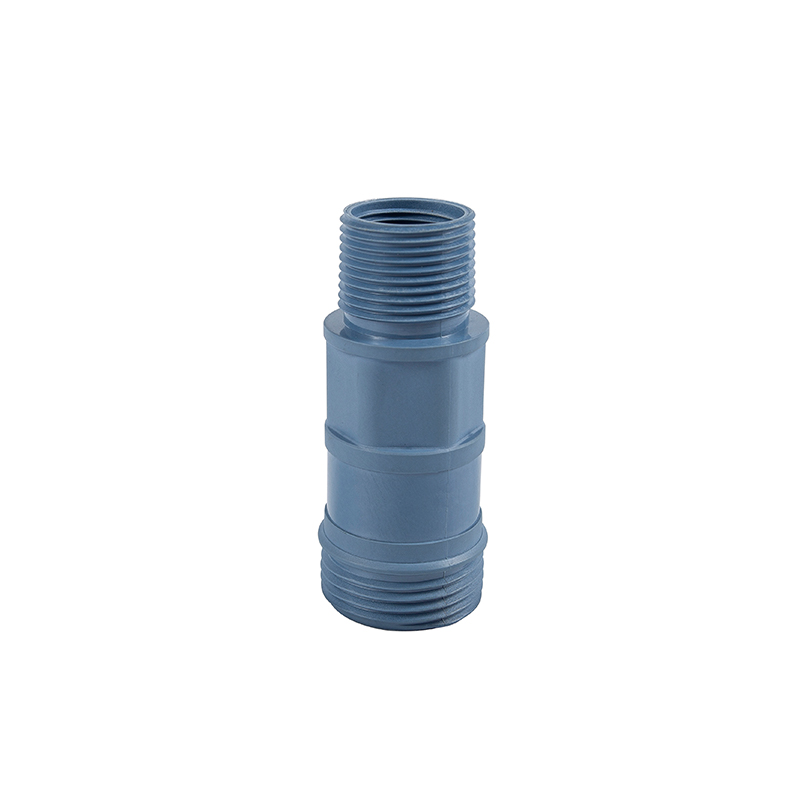 PPS Water Quality Tester Body for Instrument ProtectionA 50.1 g PPS moulded body with sealing structure, protecting water quality tester electronics and supporting stable operation.View Product →
These are not glamorous parts, but they are the kind of details that keep a product working.
Good injection moulds for plastics are a quiet advantage. They do not usually appear in a product brochure, but they decide whether a launch runs on time, whether a tolerance holds and whether the unit cost makes sense. If you are planning a new part, bring the mould maker into the conversation early. A few practical questions at the drawing stage are usually cheaper than a change after the first trial.
Copyright © Suzhou Huanxin Precision Molding Co., Ltd. All Rights Reserved.