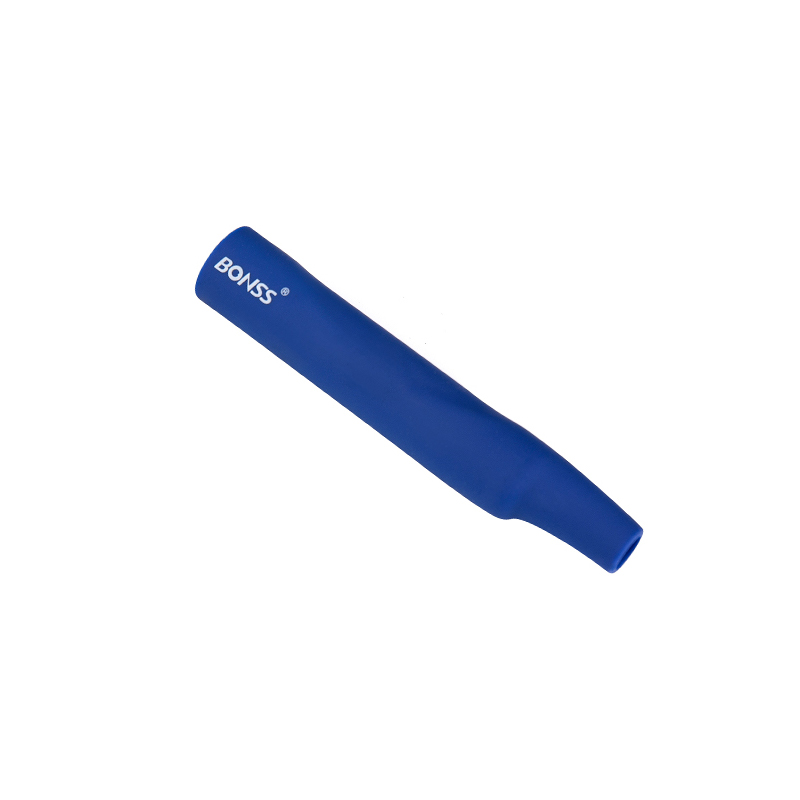
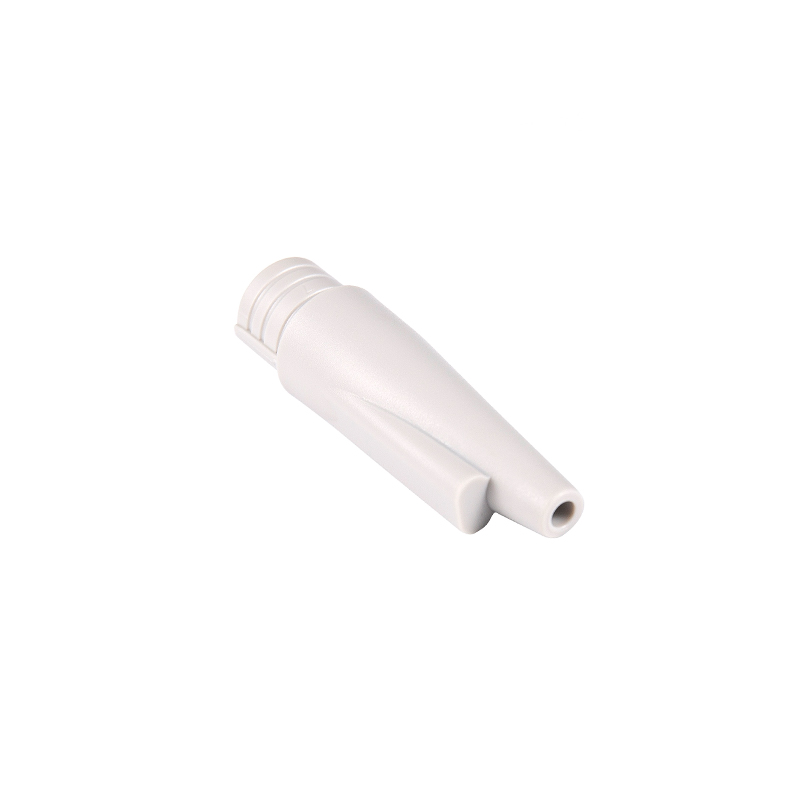
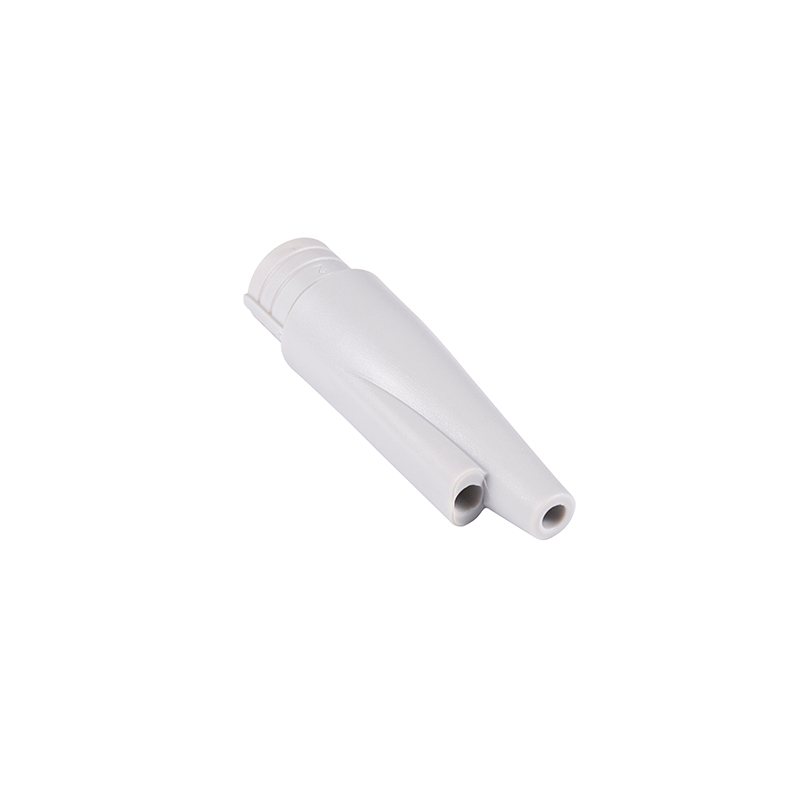
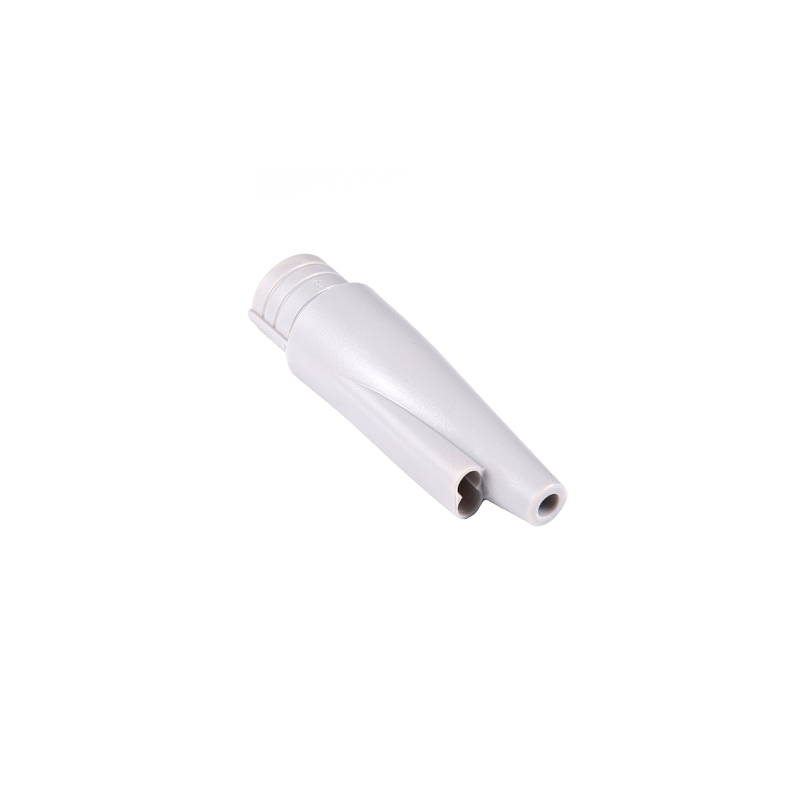
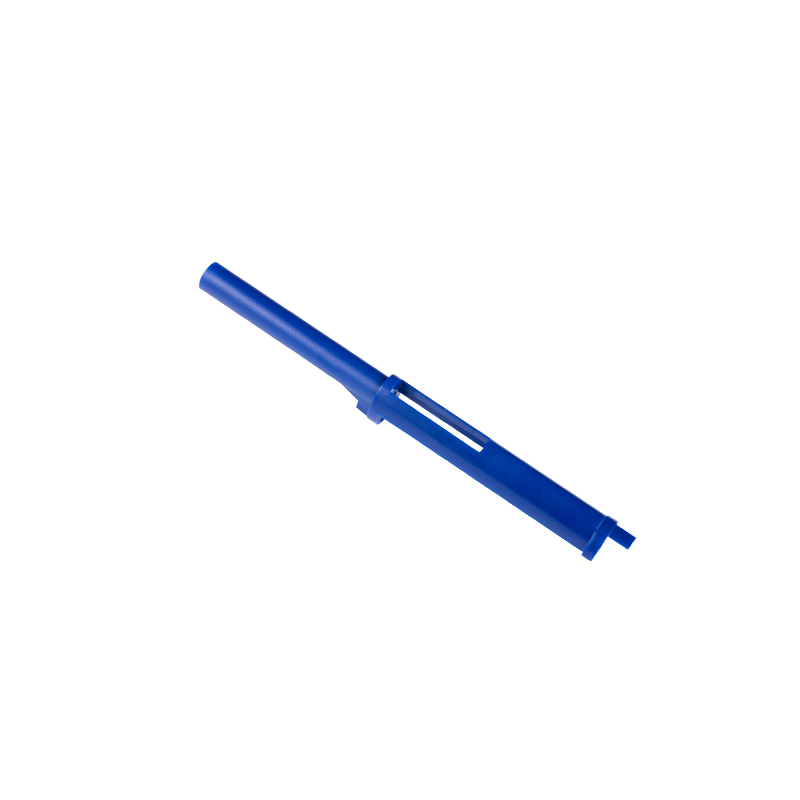
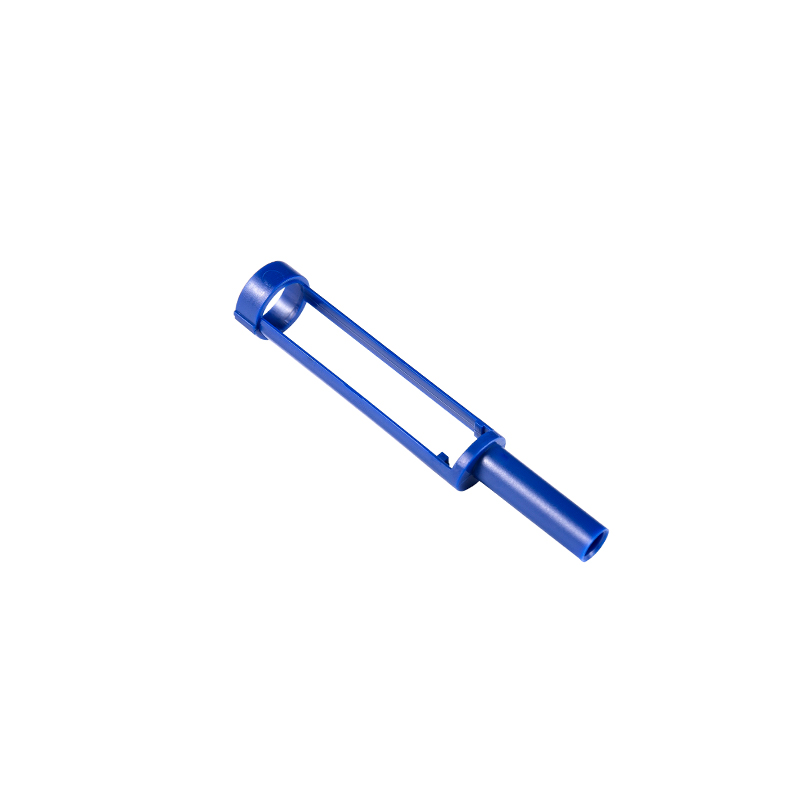
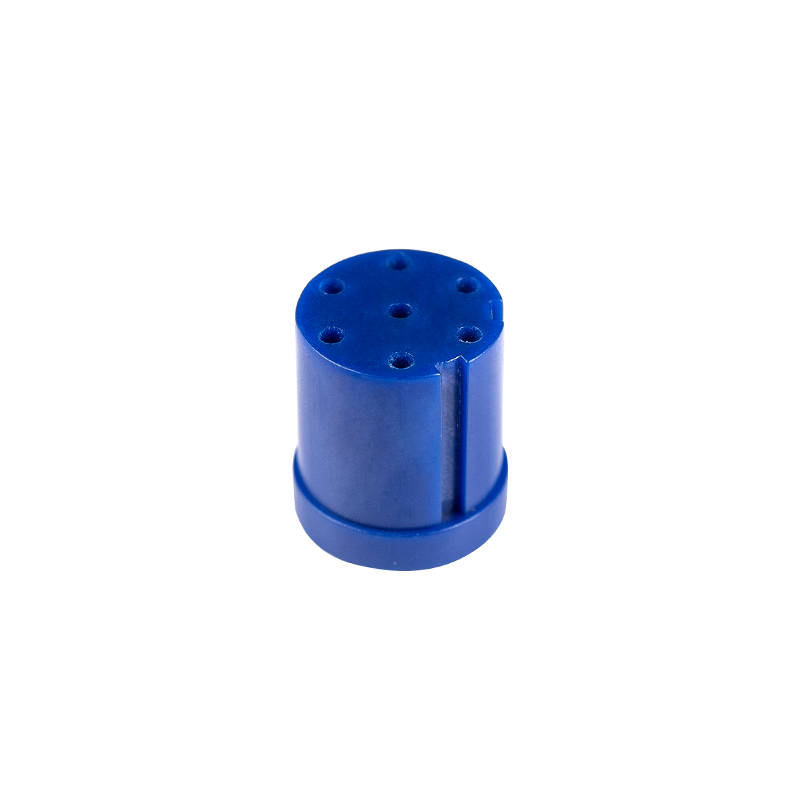
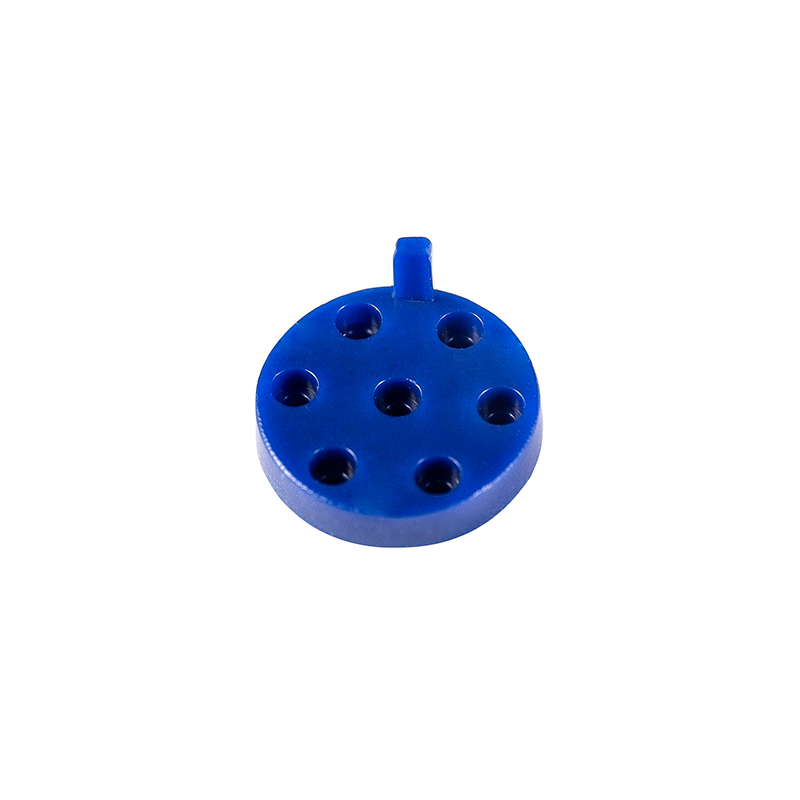
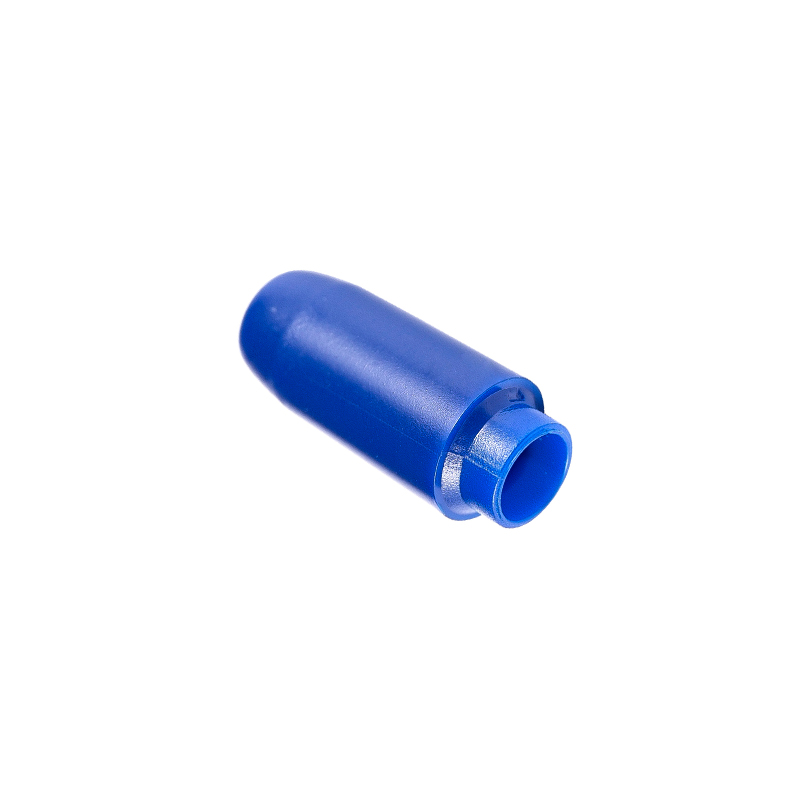
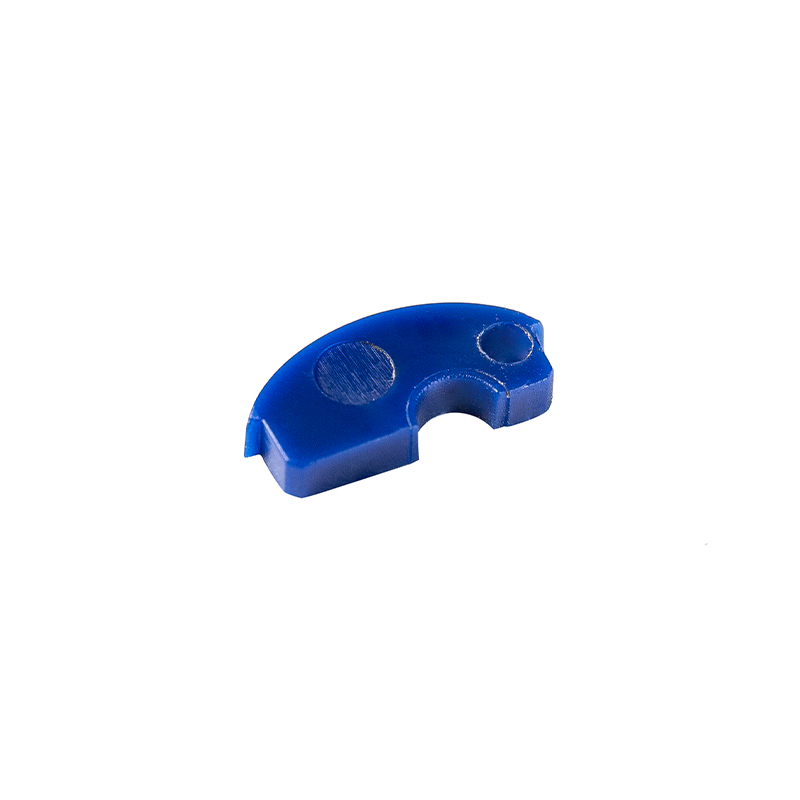
In the rapidly evolving automotive industry, automotive plastic injection molding parts have become a cornerstone of modern vehicle design and production. These components, ranging from interior panels and bumpers to engine covers and air vents, offer unmatched versatility, durability, and cost-efficiency.
The demand for lighter, fuel-efficient vehicles has accelerated the adoption of plastic components. Compared to traditional metal parts, plastics significantly reduce vehicle weight without compromising structural integrity. Moreover, advanced injection molding techniques allow manufacturers to produce highly complex shapes with precise tolerances, enabling innovative designs that enhance both aesthetics and functionality.
Sustainability is another driving factor. Many automotive plastics today are engineered from recycled materials or bio-based polymers, reducing environmental impact while maintaining high performance. Additionally, injection molding ensures minimal waste production during manufacturing, aligning with global green manufacturing standards.
The integration of automotive plastic injection molding parts also improves assembly efficiency. Components are often designed for snap-fit or modular assembly, streamlining production lines and reducing labor costs. This efficiency is particularly crucial as the automotive market faces increasing pressure to deliver vehicles faster and at competitive prices.
FAQ:
What materials are commonly used in automotive plastic injection molding? Thermoplastics like ABS, polycarbonate, and polypropylene are widely used for their strength, durability, and heat resistance.
Can injection molded plastics withstand high temperatures in vehicles? Yes, many automotive-grade plastics are specifically engineered to tolerate engine heat, UV exposure, and chemical contact.
Are plastic parts replacing metal in all vehicle components? Not entirely. While plastics are increasingly used, critical structural parts like chassis and safety frames still rely on metal for strength.


 English
 中文简体
中文简体