Content
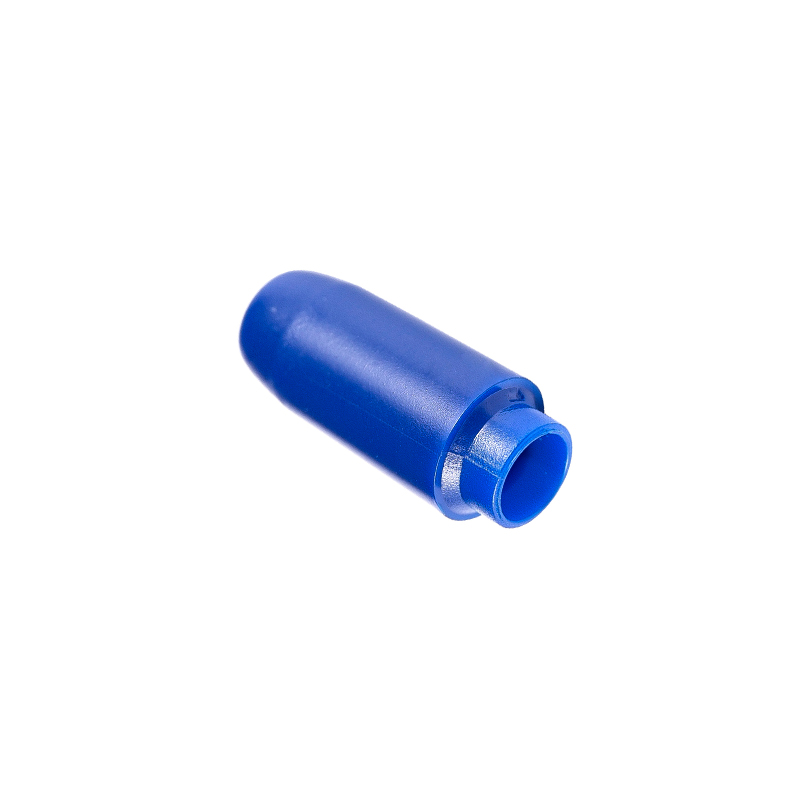
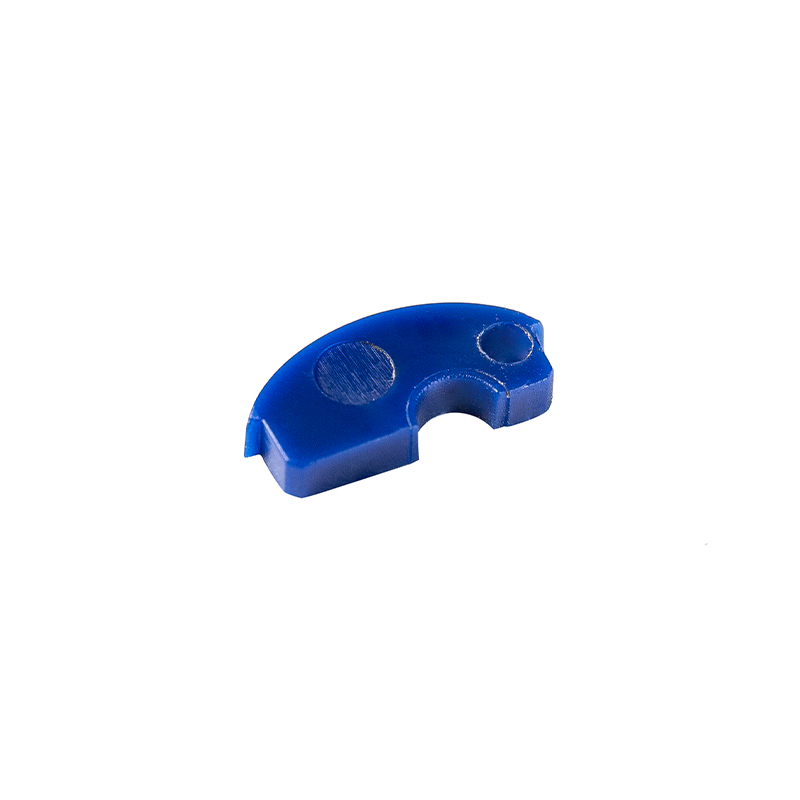
Step inside any modern vehicle, and you are surrounded by a testament to one of the most transformative manufacturing processes of the last century: plastic injection molding. From the sleek dashboard to the intricate components hidden under the hood, Automotive Plastic Injection Molding Parts are the unsung heroes of contemporary car design and engineering. This process has revolutionized the industry, enabling the creation of lightweight, durable, and complex components that were once impossible or prohibitively expensive to produce. The shift towards plastics is not merely a matter of cost-cutting; it is a strategic move driven by the pursuit of greater fuel efficiency, enhanced safety, and unprecedented design freedom. This comprehensive guide will delve into the world of automotive injection molding, exploring the critical automotive injection molding materials, demystifying the injection molding process for automotive parts, and examining its vital applications both in the cabin and under the hood. Whether you are an engineer, a procurement specialist, or simply curious about the cars of today and tomorrow, understanding this technology is key to appreciating the modern automobile.
The performance and longevity of any plastic component begin with the selection of the right material. The world of automotive injection molding materials is vast and highly specialized, with each polymer offering a unique set of properties tailored to specific applications. The choice of material is a delicate balancing act between cost, weight, durability, thermal resistance, and aesthetic requirements. For decades, the industry has relied on a core group of thermoplastics, each serving a distinct purpose. Common materials like polypropylene (PP) and ABS are the workhorses of the automotive world, valued for their versatility and low cost. For more demanding applications, high-performance engineering plastics like polycarbonate (PC) and nylon (PA) are called upon for their superior strength, heat resistance, and structural integrity. The continuous development of new polymer blends and composites further expands the possibilities, allowing manufacturers to fine-tune material properties to meet the exacting standards of modern vehicles. This careful selection of materials is the foundation upon which safe, efficient, and reliable Automotive Plastic Injection Molding Parts are built.
Polymers have enabled designers and engineers to achieve goals that were unattainable with traditional materials like metal and glass.
These two materials account for a significant portion of the plastics used in a typical vehicle.
When superior mechanical and thermal properties are required, engineering plastics are the material of choice.
The material selection process is a critical engineering decision that directly impacts the final product.
| Factor | Considerations |
| Cost | Material cost per kilogram, processing costs, and the impact on overall vehicle price. |
| Weight | Density of the material and its contribution to the vehicle's overall mass, affecting fuel efficiency. |
| Durability | Tensile strength, impact resistance, UV stability, and resistance to chemicals and temperature fluctuations. |
The creation of high-quality Automotive Plastic Injection Molding Parts is a precise, multi-stage process that transforms raw polymer pellets into finished components with remarkable accuracy and repeatability. The injection molding process for automotive parts is a symphony of engineering, tooling, and material science, where every step is critical to the final outcome. It all begins with meticulous design and prototyping, where engineers use advanced CAD software to model a part that meets all functional and aesthetic requirements. This digital blueprint is then used to create the mold, a highly complex and precise steel tool that will give the plastic its final shape. The injection cycle itself is a marvel of speed and pressure: molten plastic is injected into the mold cavity, cooled rapidly, and then ejected as a solid part. Finally, the part undergoes post-processing and rigorous quality control to ensure it meets the stringent standards of the automotive industry. This entire process, from concept to reality, is what enables the mass production of complex, reliable, and high-quality plastic parts that are integral to every modern vehicle.
This initial phase is crucial for identifying and solving potential problems before costly tooling begins.
The mold is the heart of the injection molding process, and its quality directly determines the quality of the part.
This is the actual production phase, which can be completed in a matter of seconds.
Once ejected, the part is not yet ready for assembly.
The environment under a vehicle's hood is one of the most demanding for any material, characterized by extreme temperatures, vibrations, and exposure to corrosive chemicals. In this harsh setting, under the hood plastic injection molding has become a cornerstone of modern engine design, enabling components that are lighter, more efficient, and more resilient than their metal predecessors. The ability of high-performance polymers to withstand heat and chemical attack has allowed engineers to replace heavy metal parts with sophisticated plastic alternatives. This shift is not just about weight reduction; it's about improving performance. Plastic intake manifolds, for example, can be designed with smoother airflow paths than metal castings, improving engine breathing and efficiency. The use of plastics for engine covers and shielding helps reduce noise, vibration, and harshness (NVH), contributing to a quieter and more comfortable ride. From cooling system components to sensor housings, the application of injection molding under the hood is a testament to the incredible capabilities of modern engineering plastics.
The transition from metal to plastic under the hood is driven by several key advantages.
Plastics are now used for a wide range of critical under-the-hood applications.
Materials used under the hood must meet a stringent set of performance criteria.
| Property | Importance |
| Continuous Heat Resistance | The material must retain its mechanical properties at elevated operating temperatures, often exceeding 120°C (248°F). |
| Chemical Resistance | Must withstand exposure to gasoline, oil, coolant, brake fluid, and other automotive chemicals without degrading. |
| Dimensional Stability | The part must not warp or deform under heat and pressure, maintaining tight tolerances for sealing and assembly. |
The use of plastic components directly contributes to a better-performing vehicle.
The interior of a vehicle is where the driver and passengers connect most directly with the car's design and quality. Automotive interior trim injection molding is the art and science of creating a cabin environment that is aesthetically pleasing, comfortable, functional, and safe. This process is responsible for producing a vast array of components, from the soft-touch dashboard and stylish door panels to the practical center console and intricate air vents. The challenge for manufacturers is immense: they must produce parts that look and feel premium, withstand years of wear and tear, meet strict safety and emissions standards, and do so all at a competitive cost. Injection molding rises to this challenge by enabling the use of a wide variety of materials and finishes. Techniques like in-mold decoration (IMD) and two-shot molding allow for the integration of colors, textures, and soft-touch surfaces directly into the molding process, reducing the need for secondary operations. The result is a cohesive, high-quality interior that defines the driving experience and reflects the brand's identity.
Interior trim components are more than just decoration; they are a critical part of the user interface.
These large, complex parts are the cornerstones of automotive interior design.
Modern molding techniques allow for an incredible range of visual and tactile finishes.
Interior components must adhere to strict safety and environmental regulations.
| Requirement | Explanation |
| Low VOC Emissions | Materials must not release high levels of volatile organic compounds, which can cause odors and health issues in the enclosed cabin space. |
| Flame Retardancy | Plastics must be formulated with flame-retardant additives to meet stringent safety standards for burn rate and smoke emission. |
| Impact Resistance | Interior components must be designed to absorb impact energy in the event of a collision, protecting occupants. |
The success of any new automotive component hinges not just on its design, but on the capabilities of the manufacturing partner. Selecting a custom automotive plastic parts manufacturer is one of the most critical decisions an automotive company can make. This is far more than a simple supplier relationship; it is a strategic partnership that requires deep technical expertise, a commitment to quality, and a collaborative spirit. The ideal partner is not just a vendor who can run a machine, but an engineering resource that can provide valuable input on design for manufacturability (DFM), material selection, and process optimization. They must possess state-of-the-art equipment, including advanced molding machines and in-house tooling capabilities, to handle the complexity and precision required for automotive parts. Furthermore, a proven track record of quality is non-negotiable, demonstrated by certifications such as IATF 16949, the global standard for automotive quality management. By choosing the right manufacturing partner, companies can ensure their vision is brought to life with the highest levels of quality, efficiency, and reliability.
When evaluating potential partners, look for these defining characteristics.
Assess their ability to handle your project's specific needs.
Certifications are a critical indicator of a manufacturer's commitment to quality.
A successful project is built on a foundation of strong partnership.
From the engine bay to the passenger cabin, Automotive Plastic Injection Molding Parts are undeniably integral to the vehicles we drive today. The combination of advanced materials, a highly refined injection molding process for automotive parts, and expert manufacturing has enabled a new era of automotive design—one defined by efficiency, safety, and innovation. As the industry moves towards an electric and autonomous future, the role of plastics is set to become even more critical. The demand for lightweighting to maximize battery range, the integration of complex electronic housings, and the need for new interior concepts will all drive further innovation in injection molding. By understanding the core principles of materials, process, and applications, and by partnering with a skilled custom automotive plastic parts manufacturer, automotive companies can continue to push the boundaries of what is possible. The journey of a plastic part, from a digital concept to a physical reality, is a microcosm of modern manufacturing itself—a story of precision, collaboration, and relentless progress.
Injection molding provides the perfect trifecta of benefits for the automotive industry: lightweight parts for efficiency, design freedom for aesthetics and functionality, and cost-effective mass production. Its applications are vast, from the heat-resistant components under the hood to the finely detailed trim within the cabin.
When embarking on a new project, start by defining the functional requirements and environmental conditions for your part. This will guide your material selection. Engage with potential manufacturing partners early, evaluating them not just on price, but on their technical expertise, quality certifications, and willingness to collaborate. A strong partnership is the key to turning your innovative ideas into high-quality, reliable automotive components.
2K (two-shot) and 3K (three-shot) injection molding are advanced processes that allow for the creation of parts with multiple materials or colors in a single, automated cycle. In 2K molding, two different polymers are injected into the same mold in sequence. This is commonly used to create parts with both a hard structural component and a soft-touch area, like a toothbrush or a car's interior door handle with a soft grip. 3K molding adds a third material or color, allowing for even greater complexity, such as creating a part with a rigid base, a soft-touch overmold, and a decorative transparent window. The primary advantage of these processes is the elimination of secondary assembly steps, which reduces labor costs, improves part quality, and enables more sophisticated designs.
The lifespan of an injection mold, known as its "cycle life," depends heavily on the material it's made from, the complexity of the part, and the properties of the plastic being molded. Molds for high-volume automotive parts are typically made from hardened tool steel. For a standard part made from a non-abrasive material like polypropylene, a well-maintained steel mold can last for hundreds of thousands, or even over a million, cycles. However, molding abrasive materials, like glass-filled polymers, will cause more wear and tear on the mold, shortening its lifespan. Regular maintenance, cleaning, and proper storage are essential to maximizing a mold's longevity and ensuring it consistently produces high-quality parts throughout its life.
The environmental impact of plastic injection molding is a complex issue with both challenges and positive aspects. On the downside, it relies on petroleum-based polymers, and the process consumes significant energy. However, the industry is making strides in sustainability. A major positive is the contribution to lightweighting in vehicles, which significantly improves fuel efficiency and reduces CO2 emissions over the vehicle's lifetime. Furthermore, the process itself generates very little waste, as any sprues or runners (excess plastic) can be reground and recycled directly back into the process. The increasing use of recycled and bio-based polymers is also making the process more sustainable. Ultimately, while challenges remain, injection molding plays a crucial role in creating more efficient and environmentally friendly end products.
Design for Manufacturability (DFM) is an engineering practice of designing products in a way that makes them easy and cost-effective to manufacture. In the context of injection molding, DFM involves designing a part with the molding process in mind from the very beginning. This includes considerations like maintaining uniform wall thickness to prevent sink marks, adding draft angles to allow the part to be ejected from the mold easily, and designing ribs for strength without using excessive material. A good DFM process, often in collaboration with the custom automotive plastic parts manufacturer, helps avoid costly mold changes, reduces cycle times, minimizes material usage, and ensures a higher quality final product. It is a proactive approach that bridges the gap between design and production.
Copyright © Suzhou Huanxin Precision Molding Co., Ltd. All Rights Reserved.




 English
 中文简体
中文简体