
 English
 中文简体
中文简体 Home / News / Industry News / What Are Medical Plastic Injection Molding Accessories and Why Are They Critical?
Content
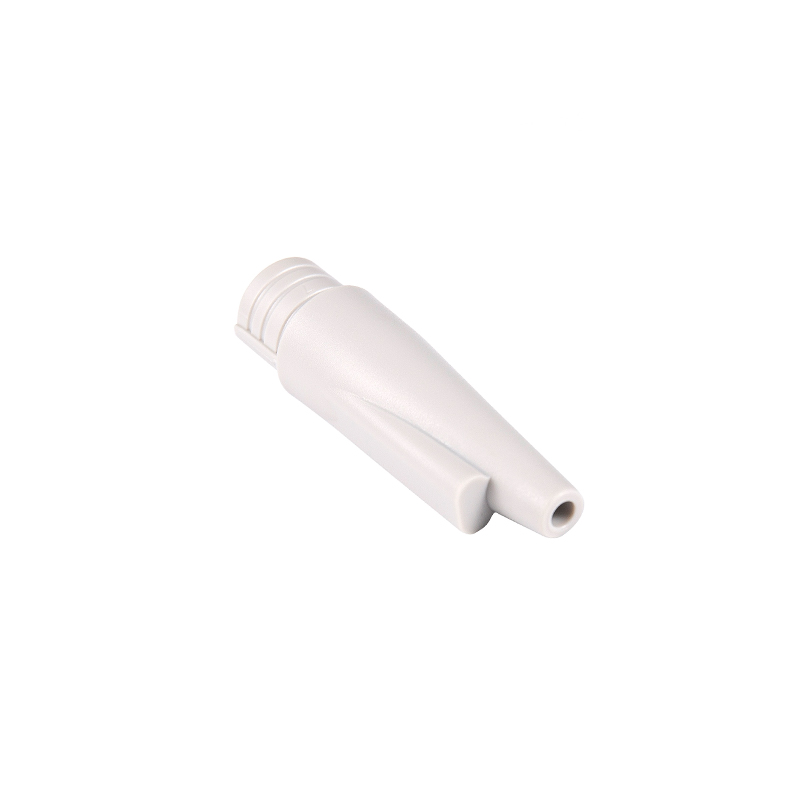
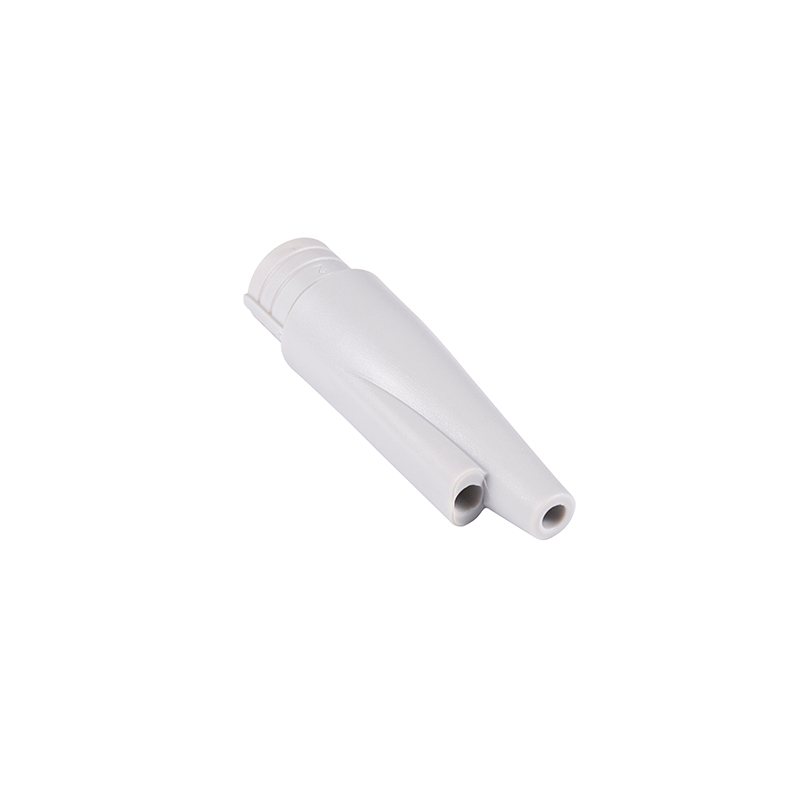
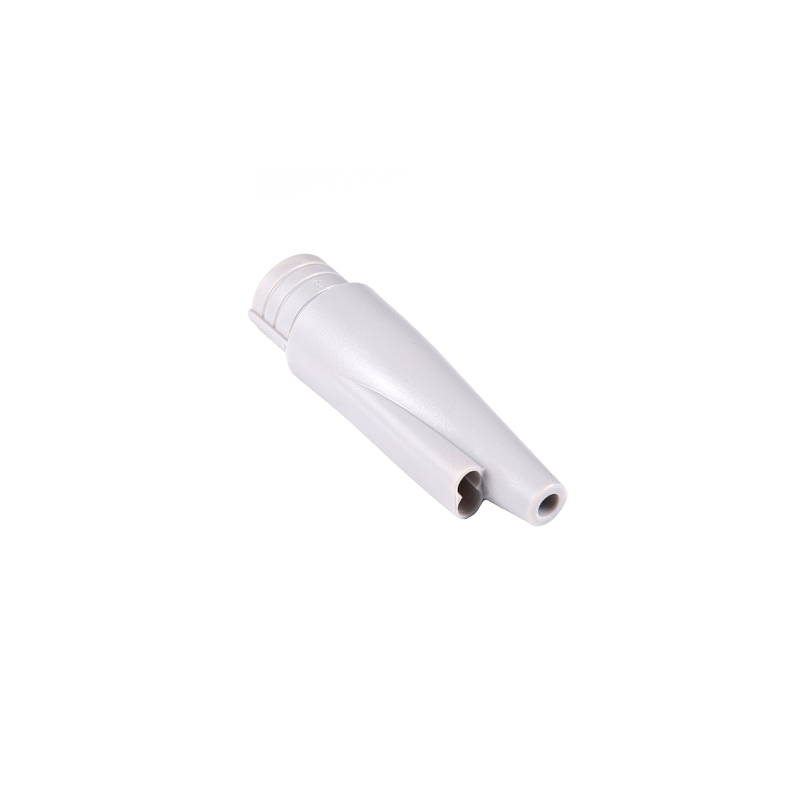
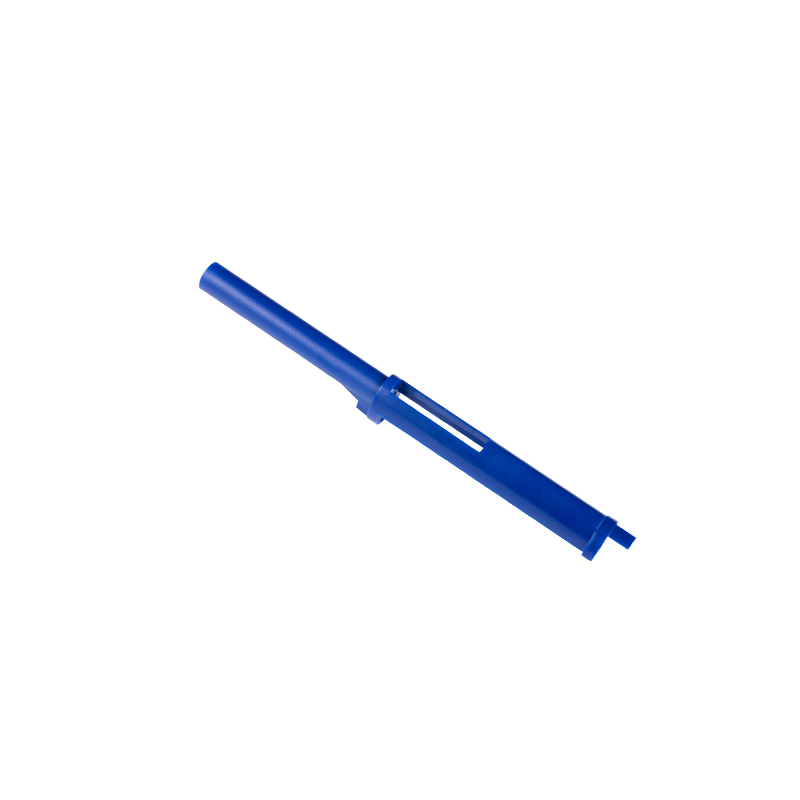
In the high-stakes world of medical device manufacturing, attention is rightly focused on the primary components: the housing of an insulin pump, the body of a syringe, or the lens of an endoscope. However, the seamless function, safety, and reliability of these devices often hinge on a category of components that operate behind the scenes: Medical Plastic Injection Molding Accessories. These are the specialized, often miniature, plastic parts that enable assembly, facilitate connection, ensure sealing, and allow user interaction. Think of the plastic clips that securely lock a device casing together without adhesives, the intricate luer connectors that guarantee a leak-proof seal for life-critical IV lines, or the custom buttons and hinges on handheld diagnostic equipment. While they may be small, their role is monumental. A failure in a primary component is catastrophic, but a failure in a seemingly minor accessory—a cracked clip, a leaking connector—can lead to device malfunction, sterility breach, or treatment failure, with serious consequences for patient safety and brand integrity. Therefore, understanding, specifying, and sourcing these accessories is not a secondary procurement task; it is a foundational element of medical device quality and regulatory compliance, demanding the same rigor as the main device components themselves.
Producing accessories for consumer electronics and producing them for medical devices are disciplines separated by a chasm of regulatory and performance requirements. The standards for Medical Plastic Injection Molding Accessories are uncompromising, rooted in a triad of critical demands: material purity, systemic quality, and manufacturing environment control. First and foremost is material suitability. These are not just any plastics; they must be biocompatible plastic injection molding accessories. Biocompatibility, per ISO 10993 standards, means the material must not produce a toxic, injurious, or immunological response when in contact with the body or bodily fluids. This necessitates the use of certified medical-grade polymers like Polycarbonate (PC) for clarity and impact resistance, Polypropylene (PP) for chemical resistance, or advanced resins like PEEK for high-temperature and wear applications. Each resin batch must be accompanied by full traceability and certification. Second is the overarching quality framework. It is non-negotiable to source ISO 13485 certified injection molding components. ISO 13485 is the international quality management standard specifically for medical devices. Certification means the molder’s entire system—from design control and risk management to purchasing, production, and inspection—is structured to ensure consistent, traceable, and validated outputs. Finally, the production environment itself is a component of quality. For many implants or drug-delivery parts, accessories must be produced as cleanroom molding accessories for medical parts. Molding in an ISO Class 7 or 8 cleanroom minimizes particulate and microbial contamination, which is critical for devices where sterility is paramount.
| Core Requirement | Key Standard/Concept | Why It Matters for Accessories |
| Material Biocompatibility | ISO 10993 (Biological Evaluation) | Ensures the plastic will not leach harmful substances or cause adverse reactions in the patient, fundamental for any patient-contacting or fluid-path component. |
| Quality Management System | ISO 13485 Certification | Provides assurance of systematic process control, full documentation, and traceability (a FDA requirement), reducing the risk of manufacturing defects escaping to the field. |
| Manufacturing Environment | ISO 14644 (Cleanroom Standards) | Prevents microscopic particulates or bioburden from being embedded in the accessory, which could later compromise device function or sterility. |
| Precision & Consistency | Statistical Process Control (SPC) | Guarantees that every batch of high precision plastic connectors for medical tubing meets the exact same dimensional tolerances, ensuring reliable assembly and performance. |
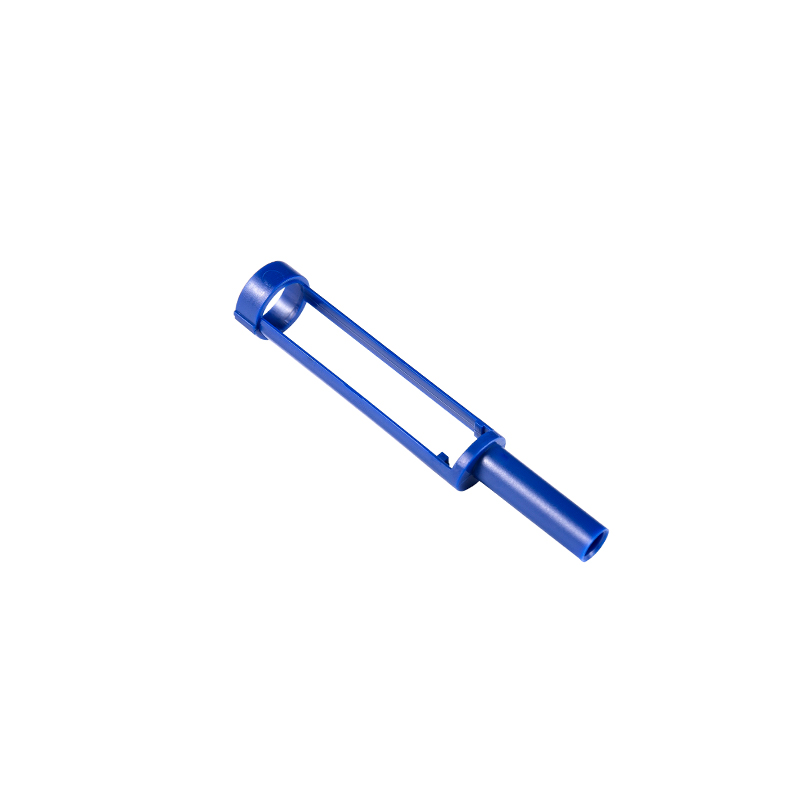
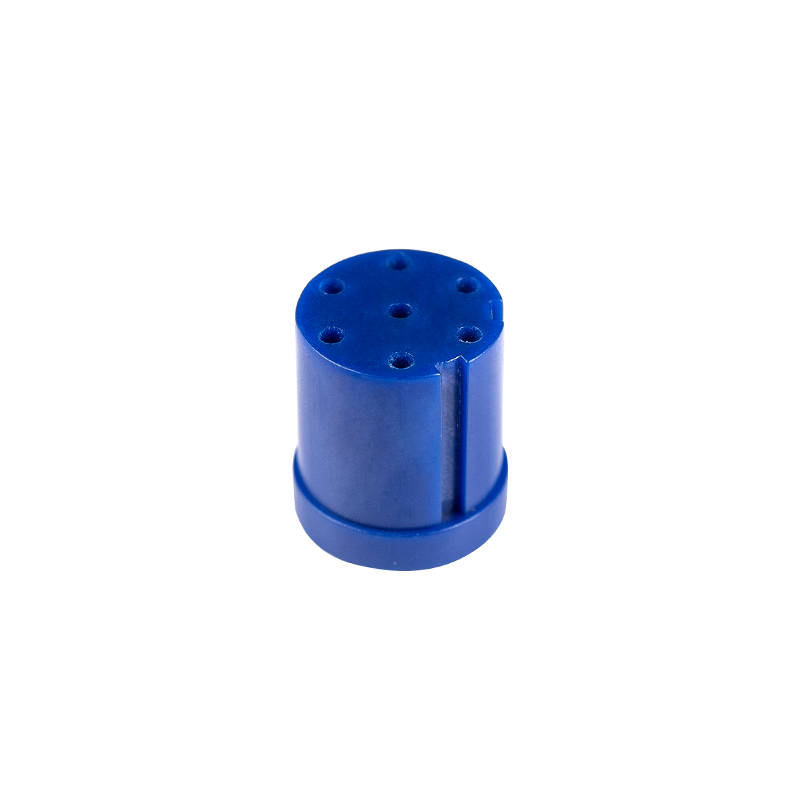
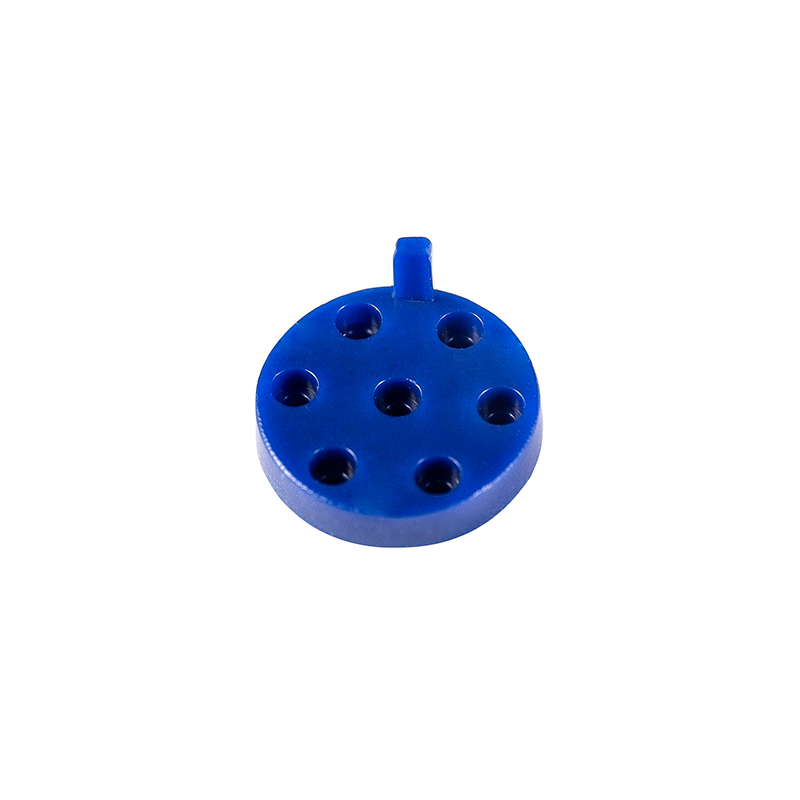
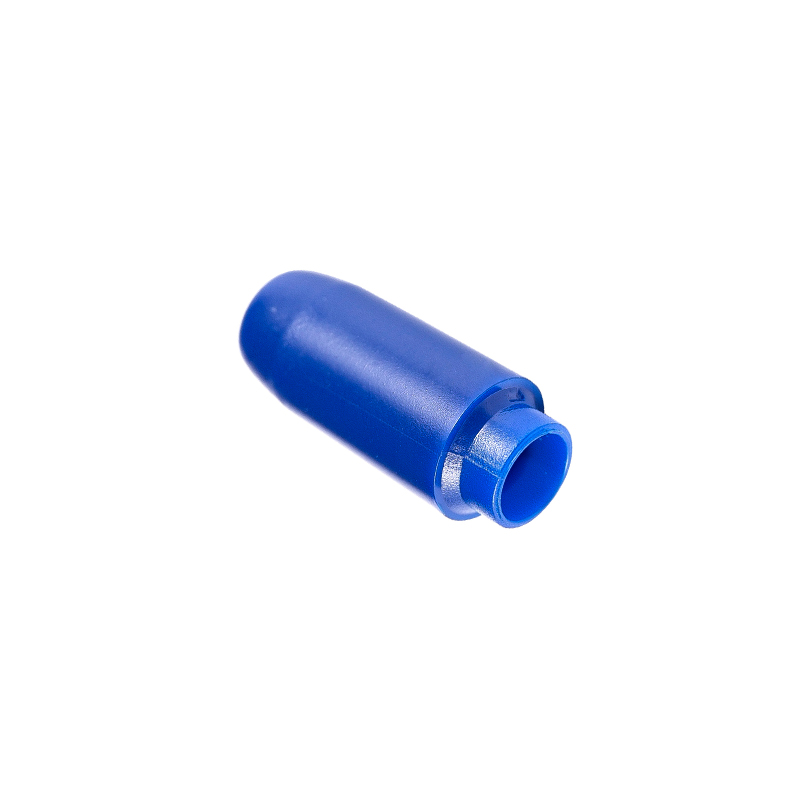
The universe of Medical Plastic Injection Molding Accessories is diverse, with each type engineered for a specific mechanical or fluidic function within a device assembly. Among the most common are fastening components. Custom plastic clips for medical device assembly are designed as elegant, cost-effective alternatives to screws, adhesives, or ultrasonic welding. These clips must exhibit precise, calculated flexure to allow for secure snap-fit assembly while maintaining tremendous retention force to prevent accidental disassembly during device use. Their design requires sophisticated finite element analysis (FEA) to model stress and strain over thousands of cycles. In the realm of fluid management, precision is measured in microns. High precision plastic connectors for medical tubing, such as luer locks, barbed fittings, or quick-disconnects, are responsible for creating fail-safe, leak-proof junctions in IV sets, respiratory circuits, and surgical irrigation systems. Their tolerances are exceptionally tight to ensure a perfect seal under variable pressure, and they often incorporate features like taper locks or thread forms that must mate flawlessly with metal or glass components. Beyond these, the category includes a wide range of other critical parts: hermetic sealing gaskets for pumps, transparent lens covers for sensors, ergonomic buttons for user interfaces, and living hinges for flip-top caps on specimen containers. Each demands a unique combination of material properties, geometric precision, and durability.
For an Original Equipment Manufacturer (OEM), selecting a partner to produce Medical Plastic Injection Molding Accessories is a strategic decision with direct implications for time-to-market, regulatory approval, and supply chain risk. The process begins with identifying a true specialist, not just a general-purpose molder. A qualified biocompatible plastic injection molding accessories supplier will proactively demonstrate their compliance pillars: valid ISO 13485 certification, in-house cleanroom capabilities, and a material science lab capable of conducting or validating biocompatibility testing. They should have a documented history of successful audits by global regulatory bodies. Due diligence must move beyond certificates to operational practices. Key questions should probe their change control procedures, how they manage mold tooling qualifications (IQ/OQ/PQ), their capacity for full component traceability down to the resin lot, and their protocol for handling non-conformances. A partner like LonSen, which specializes in this niche, brings an integrated approach, combining mold design, material selection, cleanroom production, and post-molding services (assembly, packaging) under one controlled quality umbrella. The ideal partner acts as an extension of your engineering team, contributing Design for Manufacturability (DFM) insights early in the process to optimize part design for molding, assembly, and cost, while ensuring it meets all regulatory and performance benchmarks from the outset.
| Evaluation Criteria | What to Look For / Ask |
| Regulatory & Quality Certifications | Current ISO 13485 certificate, evidence of FDA audit readiness, compliance with relevant product standards (e.g., ISO 80369 for connectors). |
| Technical & Engineering Capability | In-house mold design and fabrication, DFM report quality, experience with micro-molding or high-cavitation tools if needed, SPC data from production runs. |
| Manufacturing Infrastructure | Classified cleanroom space (specify ISO class), dedicated medical molding machines with cleanroom feeds, validated sterilization capabilities if offering that service. |
| Material Expertise & Control | Partnerships with top-tier resin suppliers, on-site material testing, validated procedures for material handling and drying to prevent contamination. |
| Supply Chain Transparency | Systems for full Unique Device Identification (UDI) traceability, robust supplier qualification processes, and proven supply chain resilience. |
Biocompatibility is a formally evaluated property, not a simple material label. For a biocompatible plastic injection molding accessory, it means the finished part has been assessed per the ISO 10993 series of standards to ensure it poses no unacceptable biological risks in its intended use. The evaluation considers the nature and duration of body contact. Tests may evaluate cytotoxicity (cell toxicity), sensitization, irritation, and systemic toxicity. The manufacturer must select a resin with a documented history of biocompatibility for the given contact type (surface, external communicating, or implant) and often provide a Declaration of Biocompatibility supported by test reports or master files with regulatory bodies.
While ISO 9001 is a generic quality standard, ISO 13485 certified injection molding components come from a system specifically designed for the medical device industry's regulatory environment. Key differences include a stronger emphasis on risk management throughout the product lifecycle, stringent requirements for design controls (critical for custom plastic clips for medical device assembly), validation of processes (especially sterilization and cleanroom processes), and maintaining comprehensive documentation for regulatory audits and traceability. An ISO 13485 certified molder speaks the language of regulators like the FDA and EMA, dramatically simplifying your own compliance efforts.
Cleanroom molding accessories for medical parts are mandatory when the accessory is part of a device that is sterilized before use but is not itself sterilized in its final packaged state (e.g., an implant), or when it is part of a device where even minute particulates could impair function (e.g., inside a fluid pathway in a diagnostic cartridge). Cleanroom production minimizes the initial bioburden and particulate count, making terminal sterilization more effective and reliable. It is also a customer specification for many Class II and III medical devices as a risk-mitigation strategy.
Producing high precision plastic connectors for medical tubing with consistent micron-level tolerances is a feat of engineering. It starts with precision mold-making using high-end CNC and EDM processes. During production, it is maintained through Scientific Molding principles—precisely controlling variables like injection speed, pressure, pack time, and cooling temperature. Real-time process monitoring and Statistical Process Control (SPC) track critical dimensions on sampled parts, allowing for immediate correction of any drift. Advanced molders may also use cavity pressure sensors to ensure each cavity in a multi-cavity mold is filling identically, guaranteeing part-to-part consistency.
Common pitfalls in designing custom plastic clips for medical device assembly include under-engineering the snap-fit beam, leading to breakage during assembly or use; neglecting to account for material creep over time, which can cause retention force to drop; designing engagement features that are too shallow, allowing unintentional disassembly; and failing to provide adequate lead-in angles or assembly guides, making manual or automated assembly difficult and inconsistent. A skilled medical molder will provide a thorough DFM analysis to identify and correct these issues before tooling begins.
The development and production of Medical Plastic Injection Molding Accessories represent a specialized frontier within medical manufacturing, where minute details carry immense responsibility. These components—from biocompatible plastic injection molding accessories to high precision plastic connectors—are the linchpins of device safety, reliability, and user trust. Their procurement cannot be an afterthought based solely on cost. It must be a deliberate partnership with suppliers who embody the triad of material science excellence, embodied by ISO 13485 certified injection molding components, and controlled manufacturing environments capable of delivering cleanroom molding accessories for medical parts. By applying the rigorous sourcing and evaluation framework outlined here, medical device OEMs can secure not just a supplier, but a strategic ally in quality. This ensures that every custom plastic clip for medical device assembly and every connector performs flawlessly, upholding the highest standards of patient care and solidifying the integrity of the medical devices they help bring to life.
Copyright © Suzhou Huanxin Precision Molding Co., Ltd. All Rights Reserved.